The serum step is where premium skincare lives, and the bottle has to protect an expensive, often fragile formula while looking the part. Small formats (30-50 ml) also double as travel SKUs. This guide covers capacity, material, closure and compliance so you can specify a serum bottle that protects the actives, doses cleanly and clears carry-on rules.
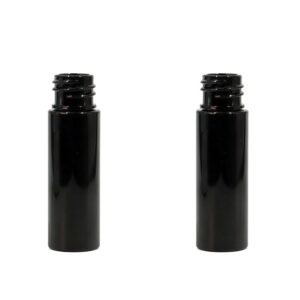
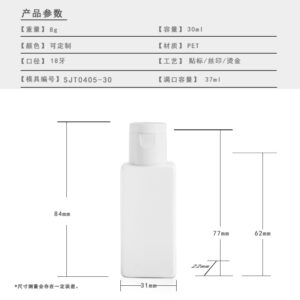
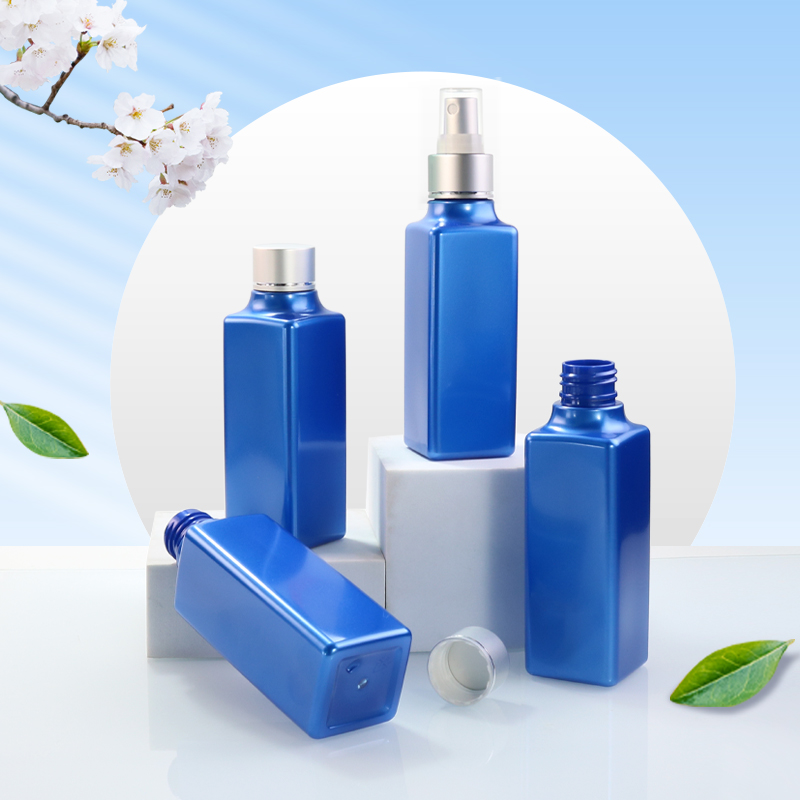
Bottles from our catalogue — 30–50 ml bottles for serums and facial oils.
-300x300.jpg)

PET or PETG for clarity
A clear 30-50 ml PET bottle shows off a serum and reads ‘premium’. Step up to PETG when the formula is acidic or active-heavy and you still want transparency. Both decorate well with silk screen or hot stamping for a single hero mark.
Dropper vs pump vs airless
Droppers suit oils and concentrated serums where a few drops matter and the ritual feels premium. Lotion pumps give a controlled dose for lighter fluids. Airless pumps protect oxygen-sensitive actives (vitamin C, retinol, peptides) and waste less product because they empty nearly completely — the better choice for high-value actives.
Travel and compliance
50 ml and under clears most carry-on limits, so a 30-50 ml serum doubles as a travel SKU. We tool 30 ml and 50 ml PET serum bottles specifically for this. For EU export, pair the bottle with recyclable thinking (wash-off label, compatible closure) to smooth PPWR compliance.
Decoration that survives a bathroom
Silk screen withstands handling and humidity better than a paper label; hot stamping gives a luxury single-mark finish. For regulatory text (ingredients, claims), a waterproof wrap label or a printed carton is more practical than printing everything on the bottle.
Common serum bottle mistakes
The three we see most: (1) specifying PET for an acidic, active-heavy formula that then stress-cracks — use PETG; (2) a dropper on a watery serum that doses badly — use a pump or airless; (3) printing full regulatory text on the bottle where it washes off — move it to a label or carton. A 30-minute spec call avoids all three.
Cost and lead time reality
Stock PET serum bottles with a simple logo print run in a few weeks; custom colour or airless closure adds batch time. Airless pumps cost more per unit than droppers, but they protect high-value actives and cut product waste, which often pays back on premium SKUs.
| Closure | Best for | Dose control | Protects actives |
|---|---|---|---|
| Dropper | Oils, concentrates | High (drops) | Moderate |
| Lotion pump | Lighter fluids | Medium | Moderate |
| Airless pump | Oxygen-sensitive actives | High | High |
| Capacity | Reads as | Travel |
|---|---|---|
| 30 ml | Premium / trial | Yes (<100 ml) |
| 50 ml | Full + travel SKU | Yes (<100 ml) |
| 100 ml | Daily treatment | Yes (limit) |
Related: cosmetic bottles.
Compliance note: For cosmetics, materials and decoration must stay compliant. Shijin bottles and inks meet FDA cosmetic requirements and the EU Cosmetics Regulation (EC 1223/2009), under ISO 9001:2015 quality management.
Buyer checklist before you order
Lock these four things before requesting a quote: the fill volume and the headspace you need above it; the closure type (dropper, pump, spray or cap) and its neck size; the decoration (silk-screen, hot-stamp or label); and the certification your market requires.
Getting the neck finish right first saves the most time — it decides which closures will ever fit, and it is cheaper to confirm than to re-tool.
Common sizing mistakes
| Model | Material | Capacity | Neck |
|---|---|---|---|
| SJT0008 | PET | 8 ml | 28 mm |
| 200ml PET Round Bottle for Shampoo | PET | 200 ml | 24 mm |
| SJT0374 | PET | 374 ml | Custom |
| SJE-0206 | PE | 80 ml | 32 mm |
The usual error is specifying the bottle by its marketing size (a ’50 ml’ bottle) while the closure and label were specced for a different neck. Match the declared capacity to the actual internal volume, not the printed number, and the fill line stays clean.
The second mistake is ignoring headspace. A viscous product needs more air above the fill than a thin one, so size the bottle to the fill plus the space the capper and shipper require.
From decision to first sample
Once the size, material and closure are set, ask for a stock-mold sample rather than waiting on a custom tool. You can validate the bottle on your own line in days and confirm the closure seats before any tooling commitment.
Bring the actual formula to the sample call — a bottle that looks right empty can behave differently once filled, and the real fill is what the stability and drop tests should run against.
Frequently Asked Questions
What size bottle for a facial serum?
30-50 ml is the sweet spot; 30 ml reads premium and 50 ml doubles as travel-compliant.
Should a serum be airless?
If the formula is vitamin-C, retinol or otherwise oxygen-sensitive, an airless pump protects efficacy and reduces waste.
Can I silk-screen a serum bottle?
Yes — up to six colours; keep luxury SKUs to one or two for a clean mark, and use a label or carton for regulatory text.
Is a 50 ml serum TSA-compliant?
Yes, containers of 100 ml (3.4 oz) or less per item are carry-on compliant, so 30 ml and 50 ml both qualify.
PET or PETG for a vitamin-C serum?
PETG is safer for acidic, active-heavy formulas while staying clear; plain PET is fine for stable, low-active serums.
What neck finish do serum bottles use?
Small treatments commonly use 18/415 or 20/410; the dropper or pump must match that exact neck.
Explore our full bottle catalog or contact our team for custom tooling and low-MOQ production runs.