
Daily Cleaning Bottles
Trigger sprayers and detergent bottles engineered for chemical resistance.

Engineered for your formula, finished for your brand
Household cleaners are chemically aggressive — bleach, degreasers, acids and alkalis. HDPE is the workhorse here: outstanding chemical resistance, tough walls and stable trigger performance. Our extrusion blow-molding lines produce these in a single step, keeping cost low even for 1.2 L formats.
- Capacity range
- 300–1200 ml
- Materials
- HDPE / PET
- Closures
- Trigger sprayer · spray · flip cap · measured-dose cap
- Finishes
- Solid color, natural, translucent
- MOQ
- From 5,000 pcs · trigger accessories from 5,000 pcs (white/black/natural)
- Typical use
- Multi-surface cleaner, detergent, dish wash, bathroom & kitchen care
Chemical resistance is the whole brief
A cleaning bottle has one job that outranks everything else: survive its contents. Household cleaners, degreasers and detergents carry strong acids, alkalis and surfactants, and those are exactly the formulations that stress-crack PET over time. HDPE is the standard for the category because it resists all of them, which is why the cleaning aisle looks the way it does.
The trade-off is worth stating plainly. HDPE is translucent rather than clear, so you lose the product visibility that a PET bottle gives you, and it is slightly porous, which rules it out for highly volatile contents. For a cleaning product neither of those usually matters; for anything else they might.
What does matter is testing. A compatibility soak test with your actual concentrate, at your actual dilution, at temperature, is the only way to know whether a specific bottle will still be sound in twelve months. It is a few weeks and it prevents the most expensive kind of failure.
Trigger sprayers, caps and the dispensing decision
Most cleaning products are dispensed either by trigger sprayer or by a measured pour, and the choice follows the use case. A trigger suits surface sprays and anything applied over an area; a dosing or measuring cap suits concentrates that get diluted in a bucket. The two need different neck finishes and different liners, so it is a packaging decision, not a marketing one.
Triggers are specified by output per stroke, spray pattern and chemical compatibility of the internal spring and gasket — that last one matters, because a spring that corrodes seizes long before the bottle fails. We supply triggers from a vetted accessory line and test them with your actual product rather than water.
Standard colours are white, black and natural from 5,000 pcs, with custom colours from 10,000 pcs. If your product is aggressive enough to need a specific gasket material, tell us at quote stage — it is far cheaper to specify up front than to discover it after a shipment has seized in the field.
Volume, weight and the economics of a cleaning line
Cleaning bottles are big, shipped in volume, and sold on price, which makes unit weight and pallet efficiency unusually important. A gram of resin saved per bottle is real money across a full container, and it is why wall thickness on a cleaning bottle is optimised rather than generous — but it has to be optimised against top-load and stacking, or the pallet arrives deformed.
Sizes typically run 300–1200 ml, and most programmes start from our 2,000+ mould library, which means no tooling charge and samples in roughly 3–10 days. A private mould makes sense when you have a distinctive shape worth owning and the volume to amortise it.
Capacity is 30+ production lines at up to 200,000 pcs per day. For a cleaning programme the useful thing to send with your enquiry is the annual volume and the shipping pattern — it lets us quote the right bottle rather than the cheapest one.
Common questions about cleaning bottles
Why HDPE instead of PET for cleaning products?+
HDPE resists strong acids and alkalis that would stress-crack PET. The trade-off: HDPE is slightly porous, so it is not suitable for highly volatile contents. We advise per formula.
Do you supply the trigger sprayers too?+
Yes — triggers, sprayers and caps come from our vetted accessory line. Standard colors (white/black/natural) start at 5,000 pcs; custom colors at 10,000 pcs.
Will my cleaner attack the bottle?+
It depends entirely on the formulation, which is why we do not answer this from a datasheet. Strong acids, alkalis and high-solvent blends are routine for HDPE and progressively harder on PET, but the specific combination — plus fill temperature and storage conditions — is what actually decides it. Send us the concentrate and the dilution you intend to sell and we will run a compatibility soak test, then recommend the material that survives rather than the one that is cheapest.
Do you supply the trigger sprayers as well?+
Yes — triggers, sprayers and caps come from our vetted accessory line, in standard white, black and natural from 5,000 pcs and custom colours from 10,000 pcs. The important specification is not the sprayer's appearance but the compatibility of its internal spring and gasket with your formula; a corroded spring seizes long before a bottle fails. Tell us the chemical profile and we will match the internals, then test with your actual product.
Can you reduce the bottle weight to cut freight?+
Often yes, but it has to be done against real constraints rather than a target. Lightweighting a cleaning bottle reduces resin cost and freight per unit, both of which matter at cleaning-product volumes, but push it too far and you lose top-load strength and the pallet arrives deformed. We will tell you where the floor is for your fill weight and stacking height rather than quoting a weight that looks good and fails in transit.
From the Journal
Explore other product families
All products →


Products in this family
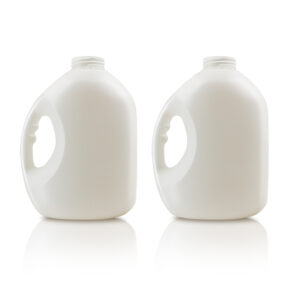
1000ml PE Plastic Detergent Bottle with Handle
PE · 1000 ml
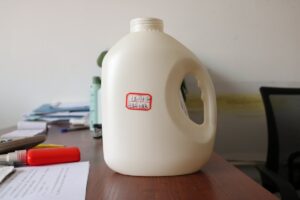
2000ml PE Plastic Detergent Bottle with Handle
PE · 2000 ml
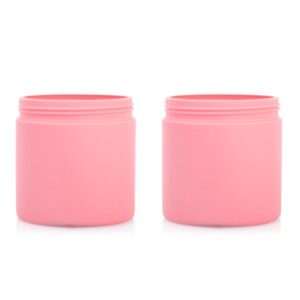
350ml HDPE Cleaning Bottle for Dishwashing Liquid Packaging
HDPE · 350 ml

PET Cleaning Bottle (500ml)
PET · 500 ml
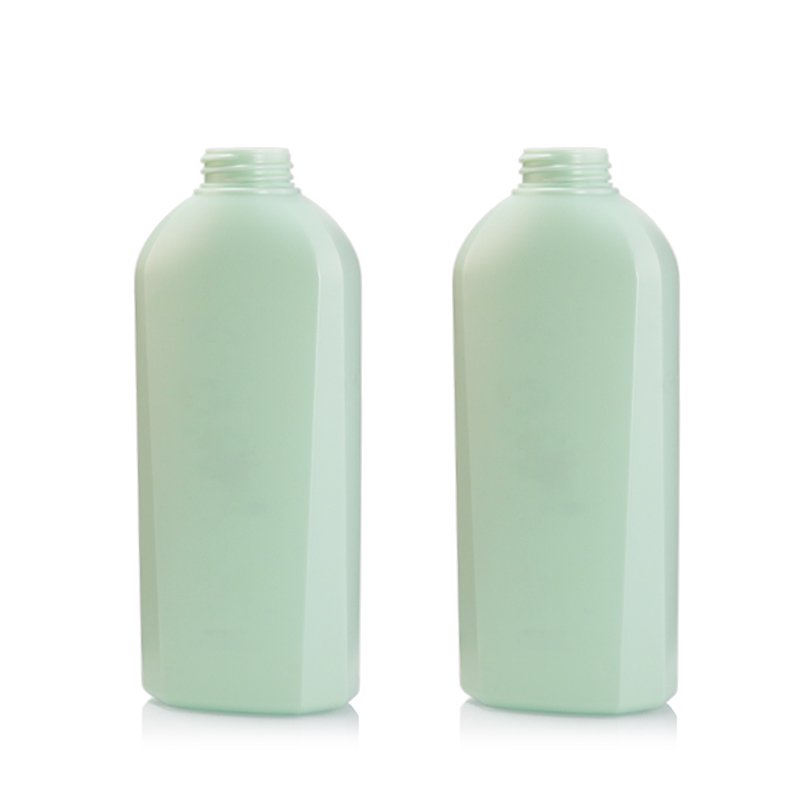
Wholesale 480ml HDPE Cleaning Bottle
HDPE · 480 ml
Have a bottle in mind? Let’s make it.
Send us your capacity, material and quantity — our engineering team replies within one business day with a quote and 3D-ready options.