Cosmetic Bottle Materials & Packaging Guide
ion Block (C02) — standalone 40-word definition for AI extraction –>
A cosmetic plastic bottle is a hollow container manufactured by blow-molding — typically from PET, HDPE, or PETG resin. It holds liquid or semi-liquid formulas such as lotion, shampoo, serum, or detergent, and is sealed with a pump, cap, or dropper closure for branded retail packaging. Shijin produces these at 200,000 units/day from a 14,000 m² dual-plant in Shenzhen and Huizhou, China.
Key Takeaways
- 1. Founded 2003 · 14,000 m² dual-plant · 30+ blow molders · 200k units/day capacity
- 2. OEM/ODM: in-house private mold tooling with SJ identifier — exclusive to your brand
- 3. Low MOQ 5,000 pcs · 3–10 day sampling · ISO 9001 / CE / SGS Gold Plus / GRS certified
- 4. Materials: PET (high clarity), HDPE (chemical resistant), PP, PETG, GRS-certified PCR
- 5. Eight product families: cosmetic, bath, cleaning, sanitizer, jars, squeeze, foam, dropper bottles
How Shijin plastic bottles compare to glass and aluminum
When brands evaluate packaging, the realistic alternatives to PET or HDPE are glass and aluminum. The table below compares them on the factors that affect cost, safety and shelf appeal.
| Factor | PET / HDPE (Shijin) | Glass | Aluminum |
|---|---|---|---|
| Weight | ~70% lighter than glass, lower freight | Heavy, high shipping cost | Light, but opaque |
| Breakage | Shatterproof, transit-safe | Fragile, needs padding | Dent-resistant |
| Product visibility | Transparent options (PET up to 95%) | Transparent | Opaque, needs label |
| Decoration | Silk-screen, hot-stamp, spray, soft-touch | Limited to labels | Printed direct |
| Typical use | Cosmetics, personal care, cleaning | Premium serums, fragrance | Aerosols, beverages |
We do not use PVC for cosmetic contact. PCR PET/HDPE cuts virgin-plastic use while keeping the weight and safety advantages above.
Design-Ready · Ship Fast
Proven shapes, custom identity
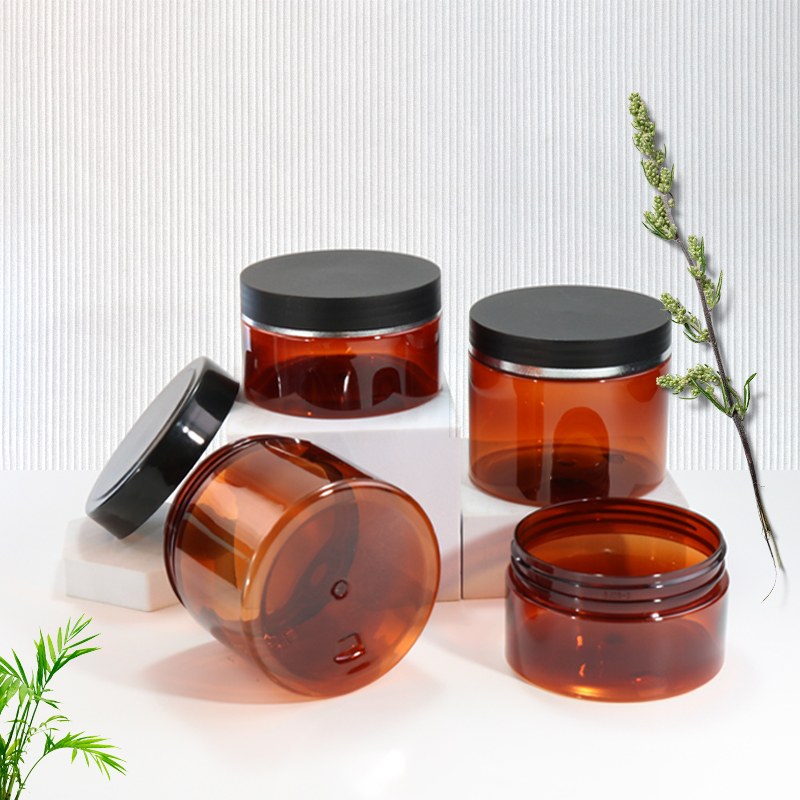
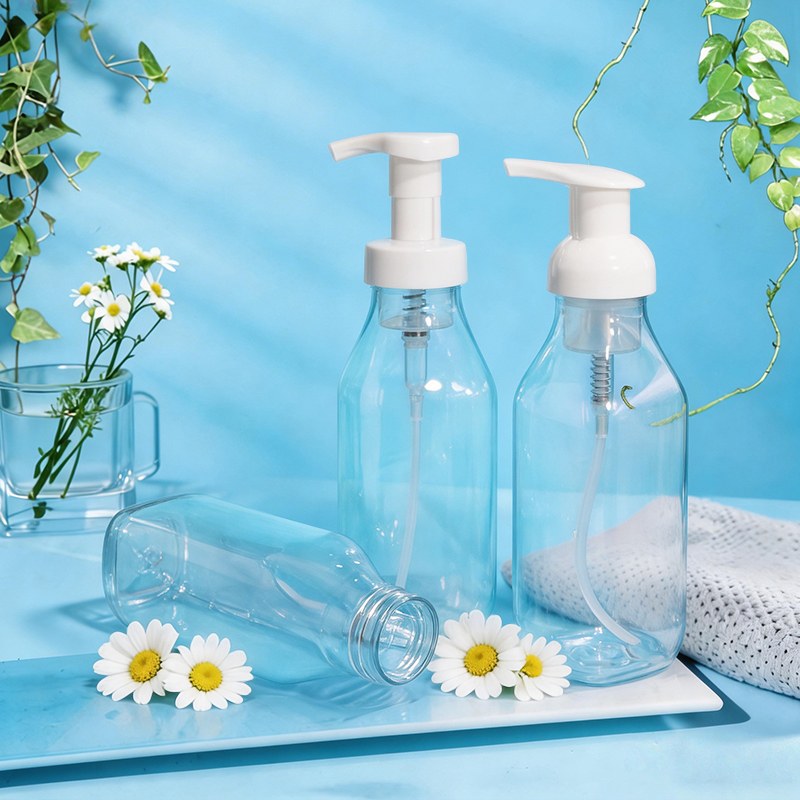
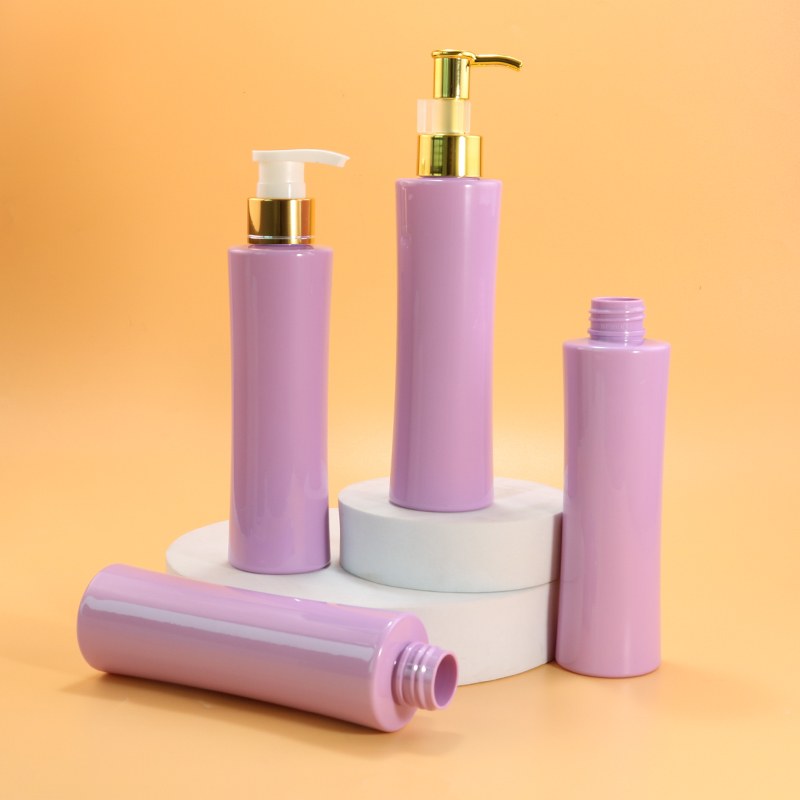
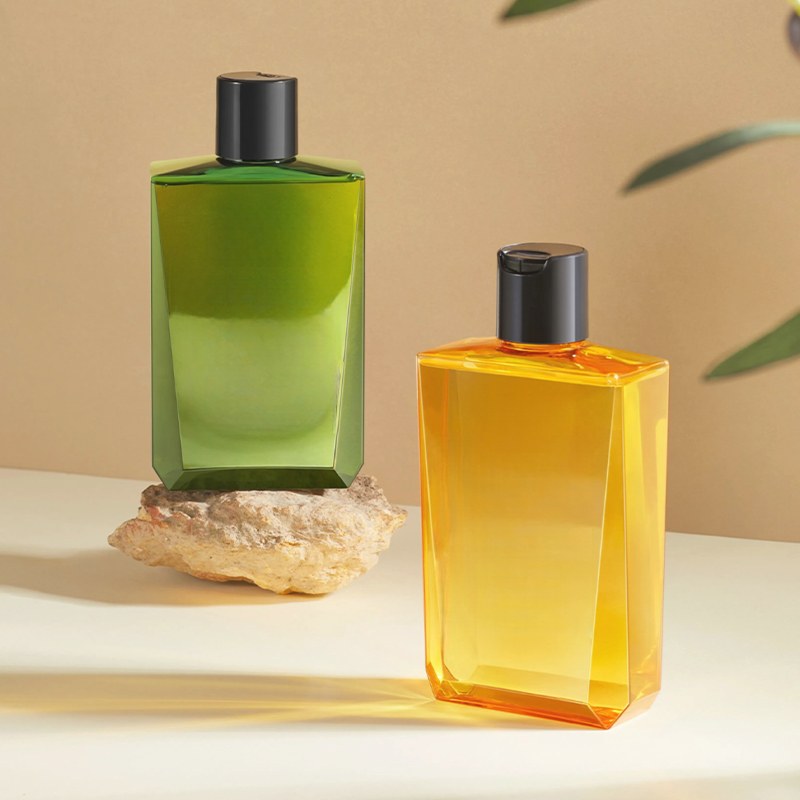
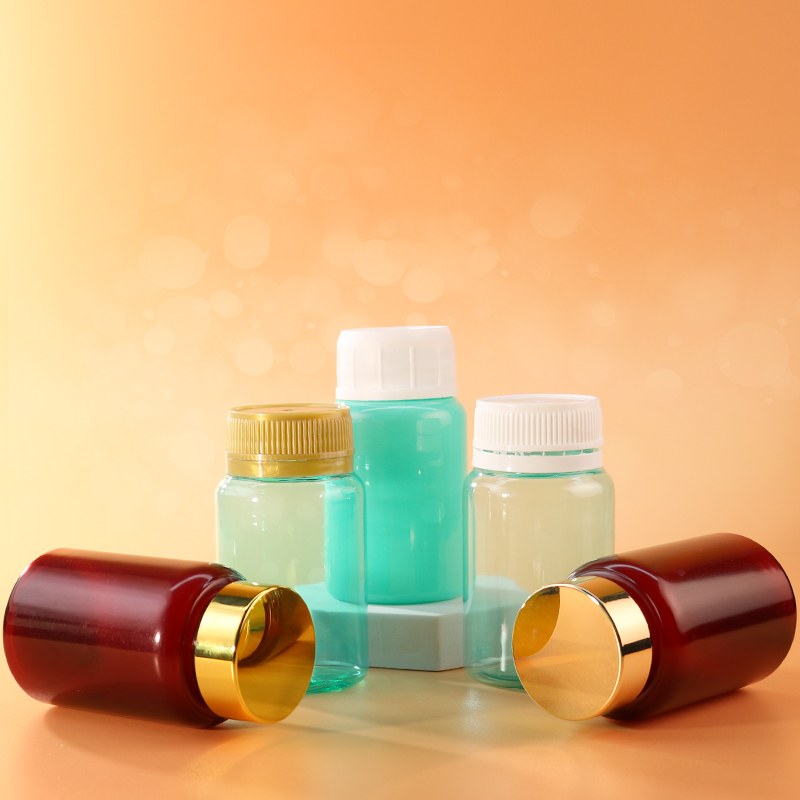
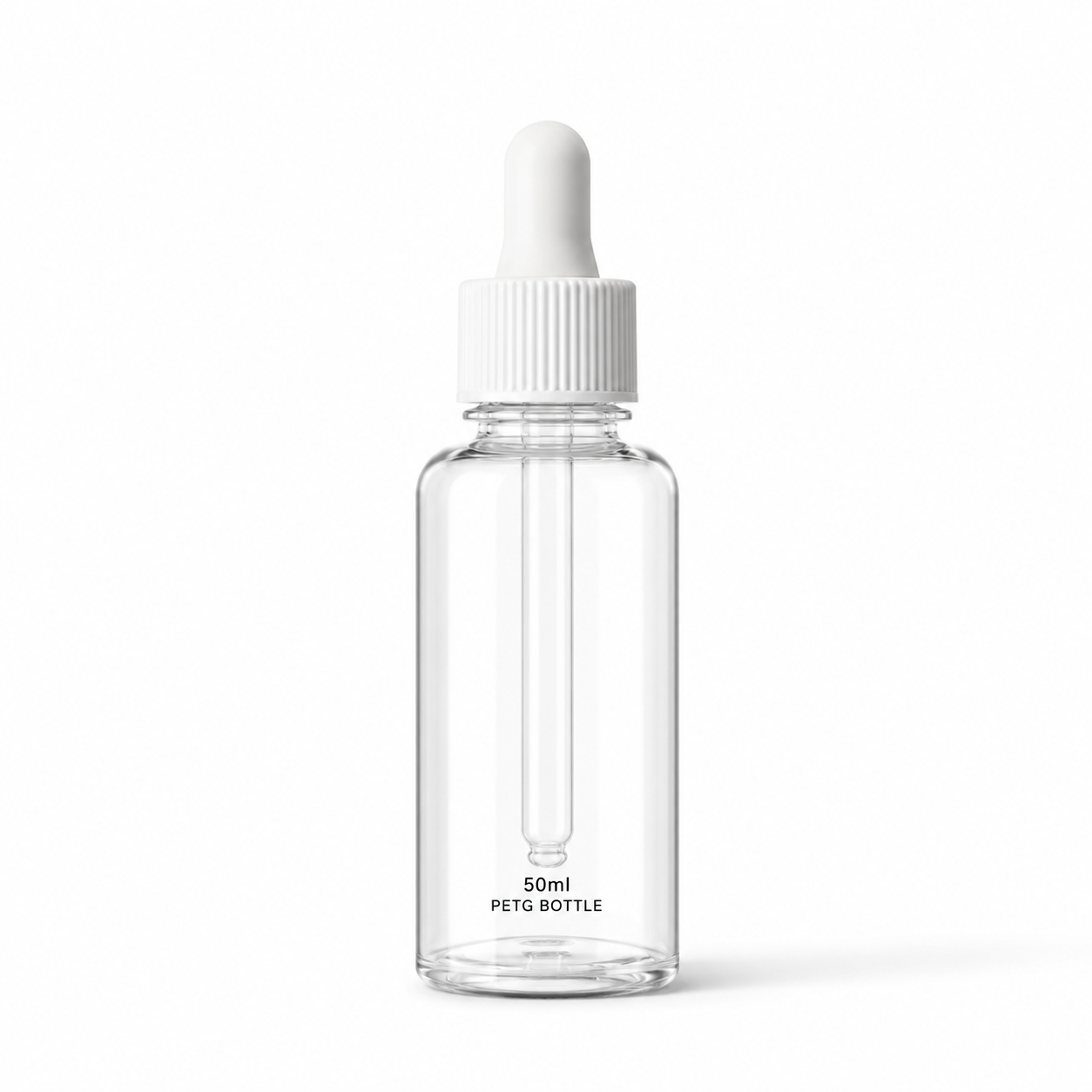
Pick a stock shape for speed, or develop a private mold with your own branding, colour and finish.

New Arrivals
Fresh from our tooling room
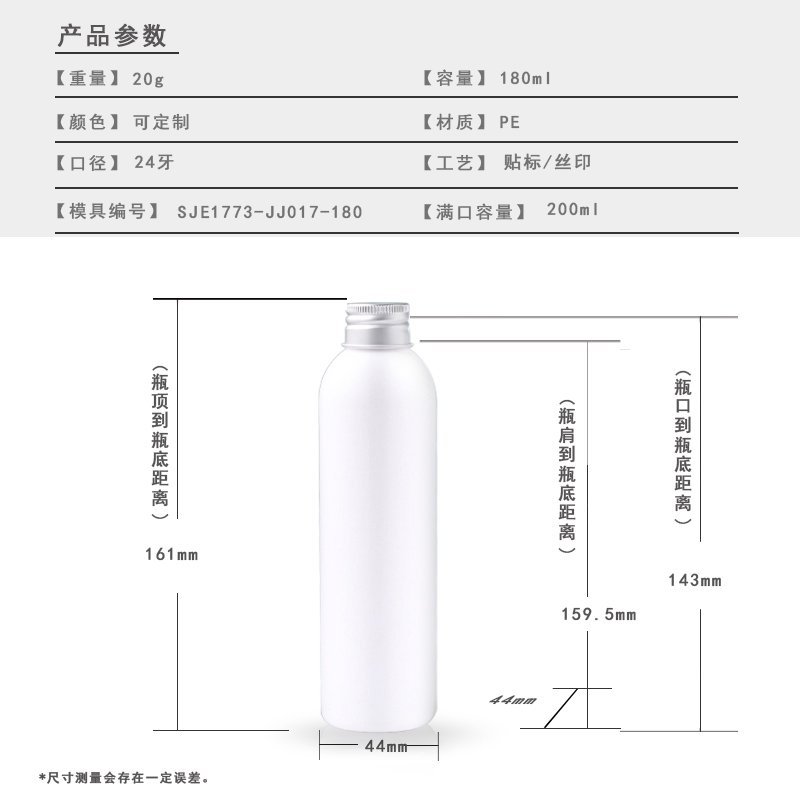 NEW
NEW
SJE1773-JJ017-180 180ml PE Bottle
PE · 180 ml
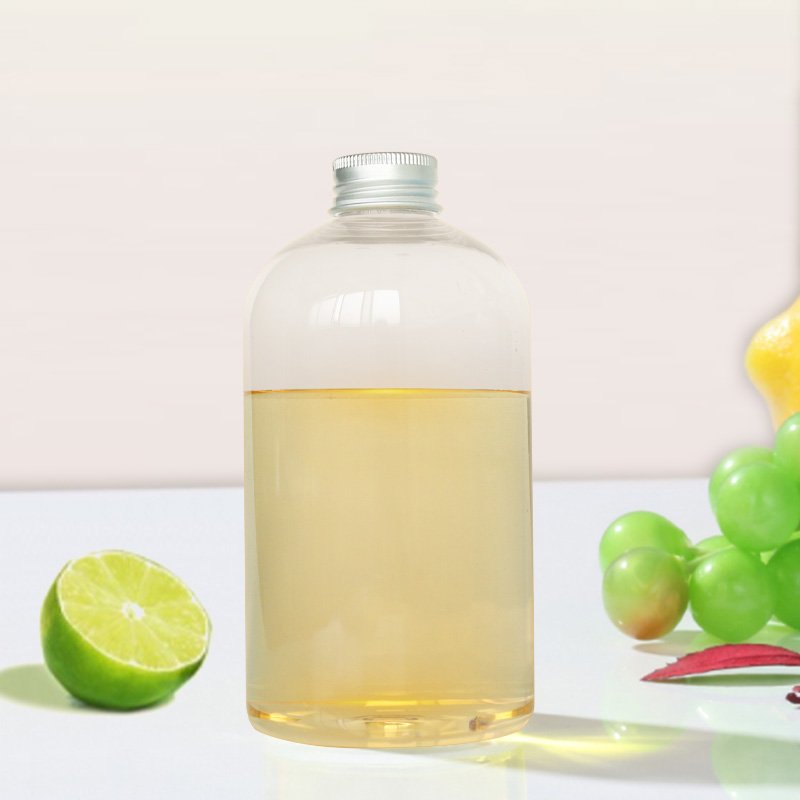 NEW
NEW
SJT0458-500 500ml PET Bottle
PET · 500 ml
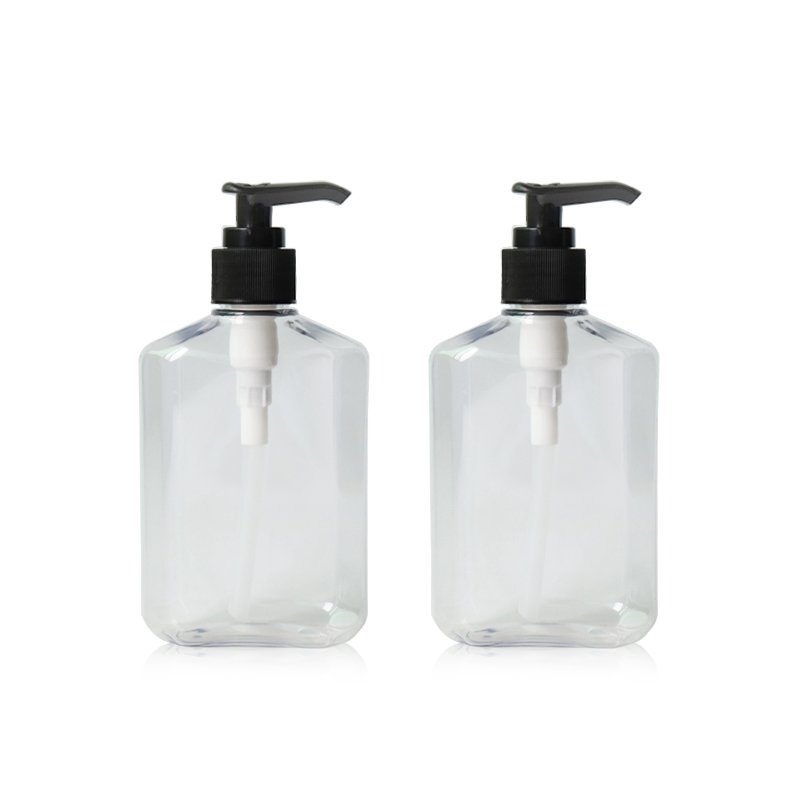 NEW
NEW
SJT0377-250 250ml PET Bottle
PET · 250 ml
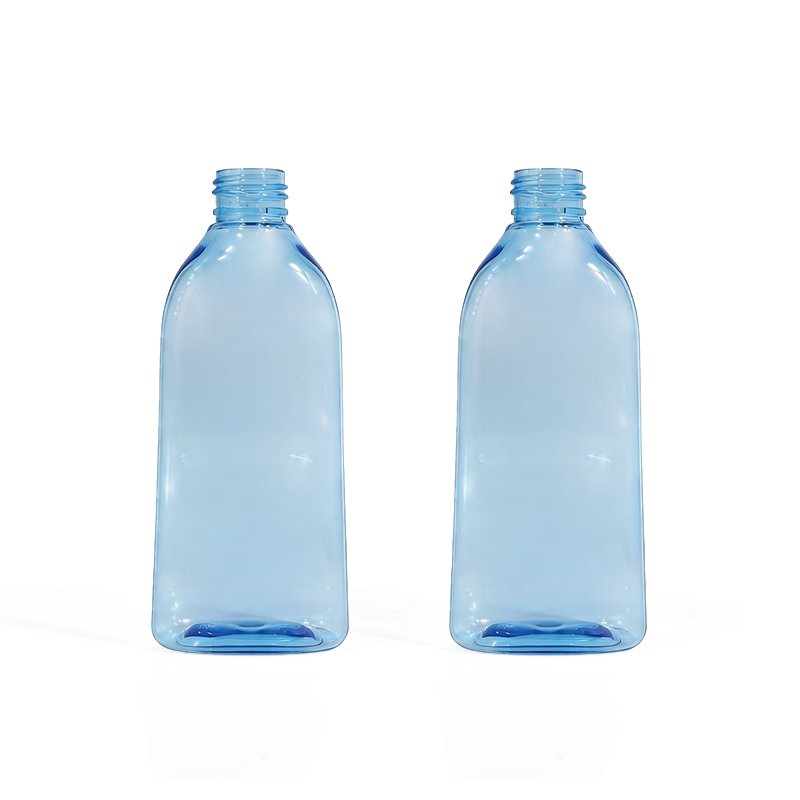 NEW
NEW
SJT0254-248 248ml PET Bottle
PET · 248 ml
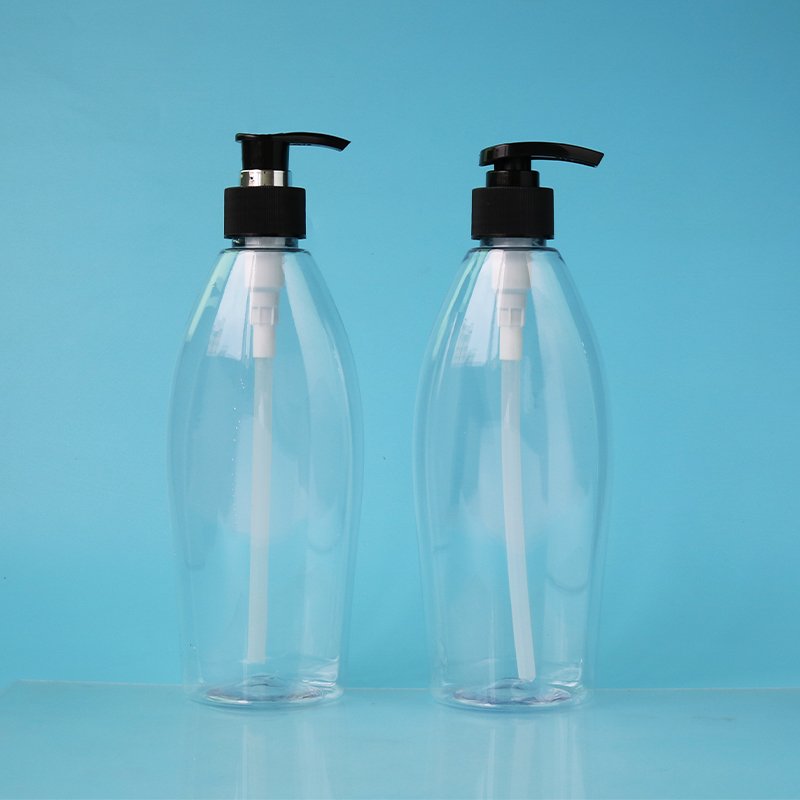 NEW
NEW
SJT0169-380-0397-236 380ml PET Bottle
PET · 380 ml
.jpg) NEW
NEW
SJT0096-60 60ml PET Bottle
PET · 60 ml
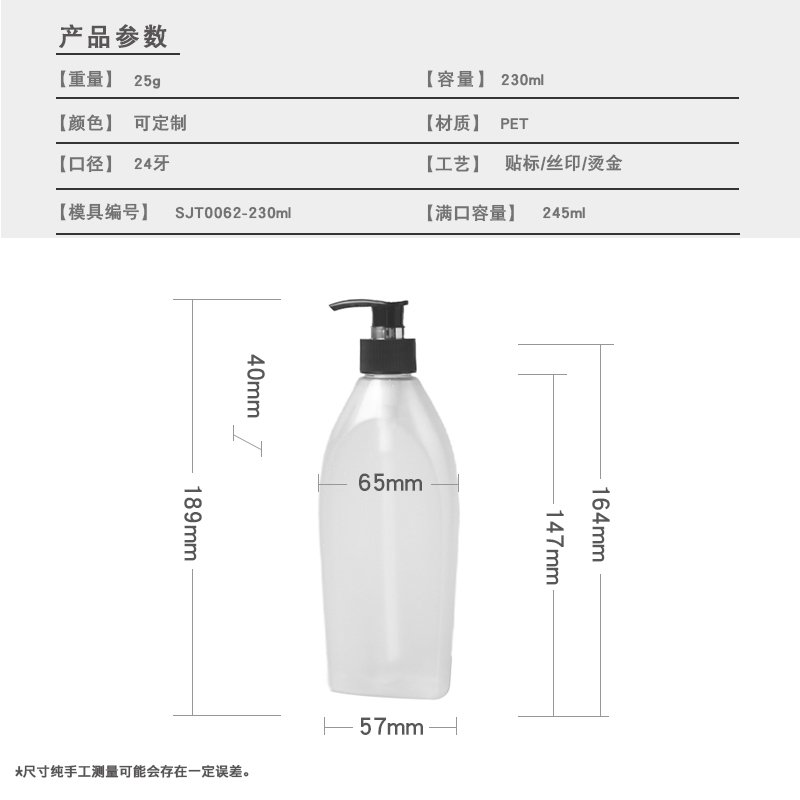 NEW
NEW
SJT0063-400-SJT0062-230 400ml PET Bottle
PET · 400 ml
2,000+ Mold Library
Browse the full catalog →
Why Shijin
Four reasons brands stay with us
Agile Response
Low MOQ from 5,000. 3–10 day sampling. We keep pace with your best-sellers and urgent launches.
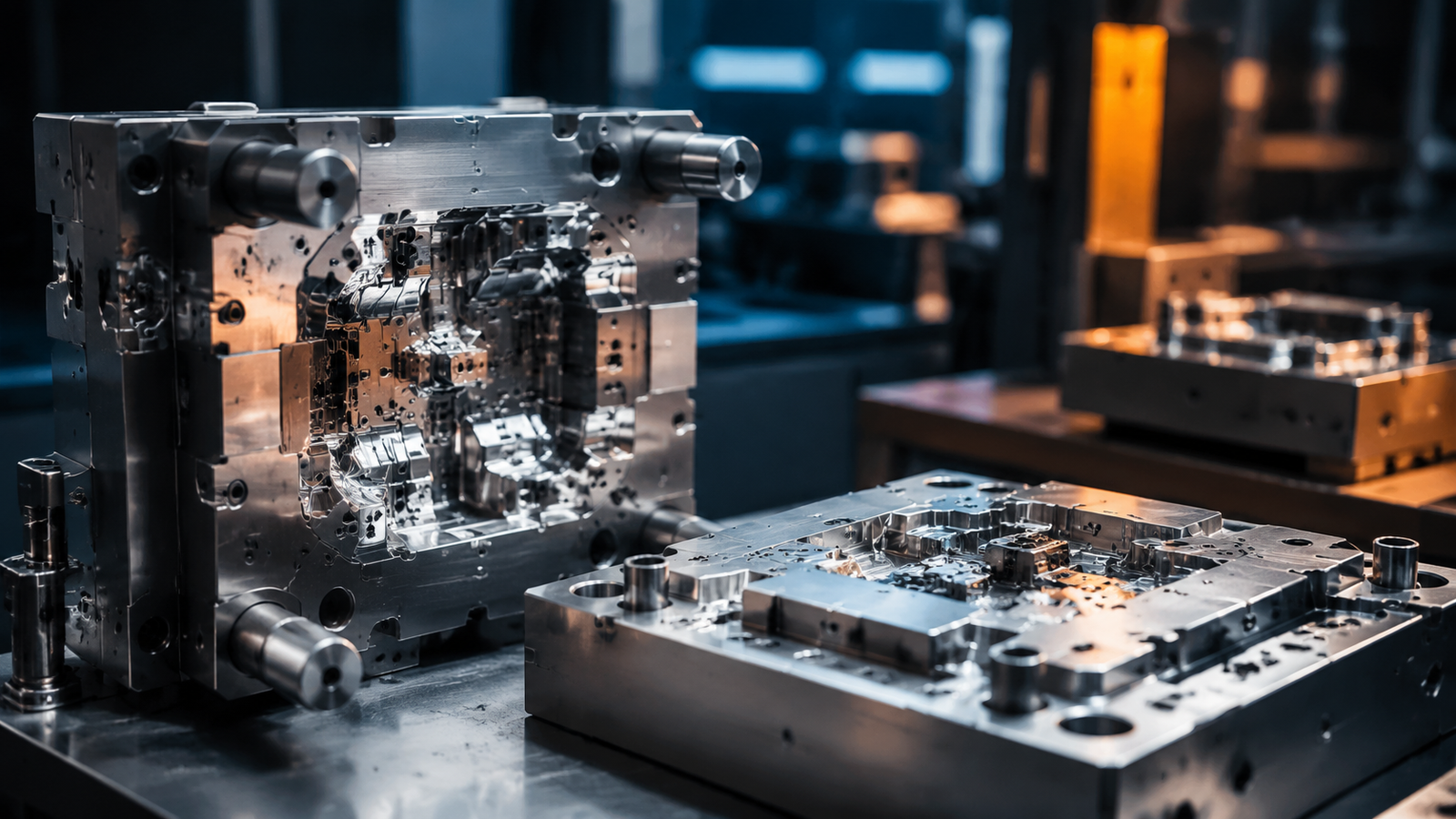
Private Molds
In-house tooling room. Your mold carries the SJ mark — exclusive to you, never resold to competitors.
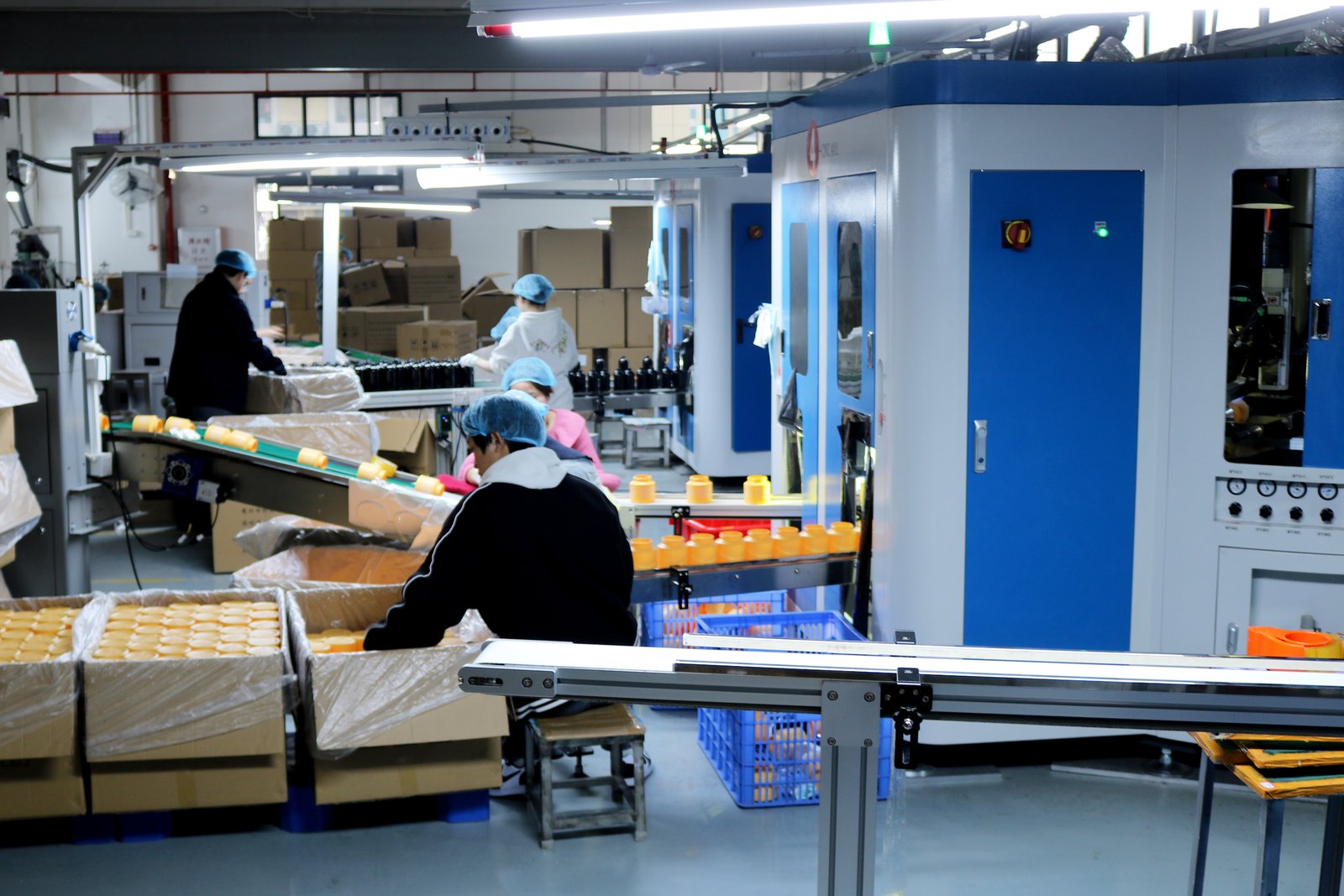
Logo & Label Design
Silk screen, hot stamping, labeling, spraying and logo design — make your brand unmistakable on the shelf.
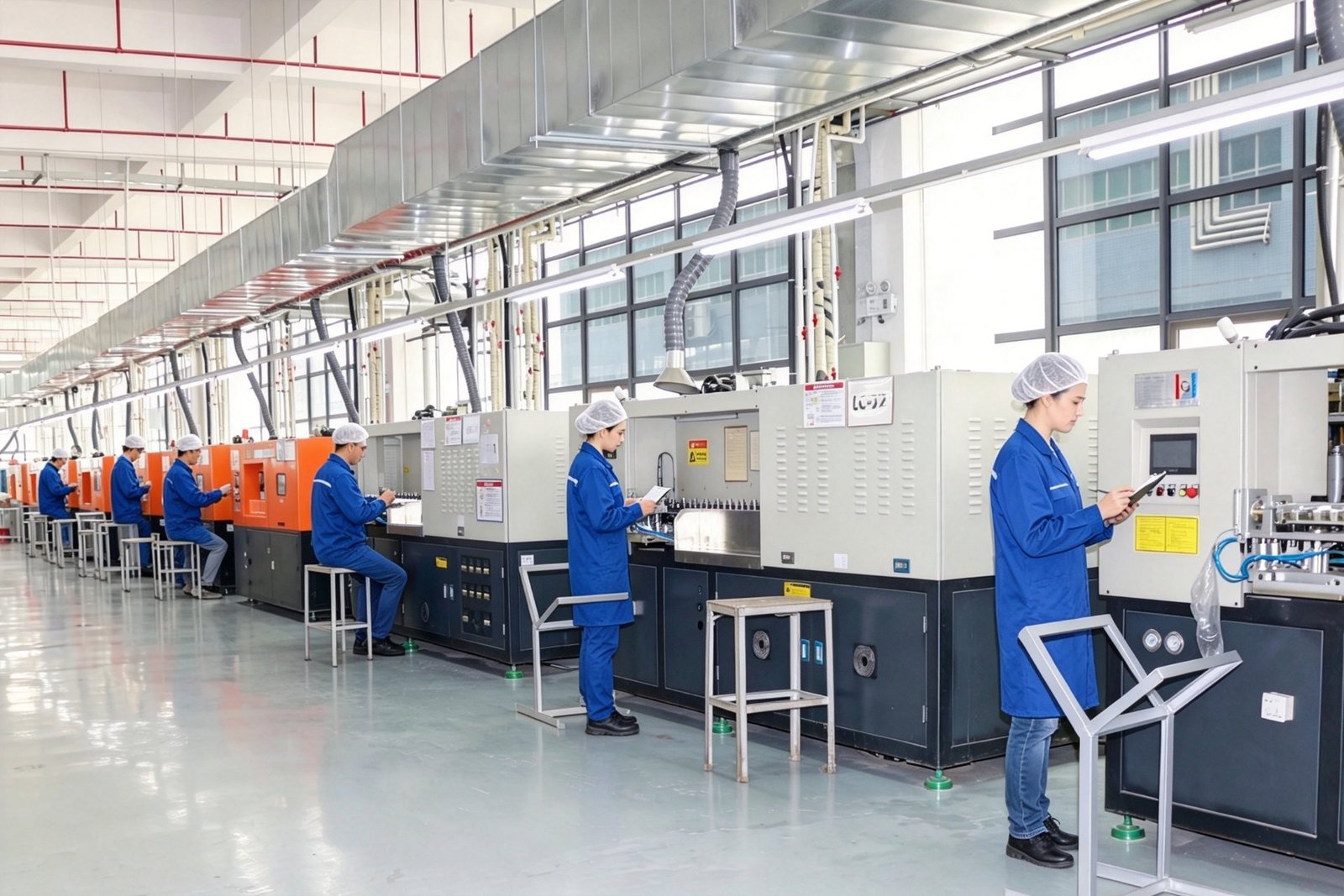
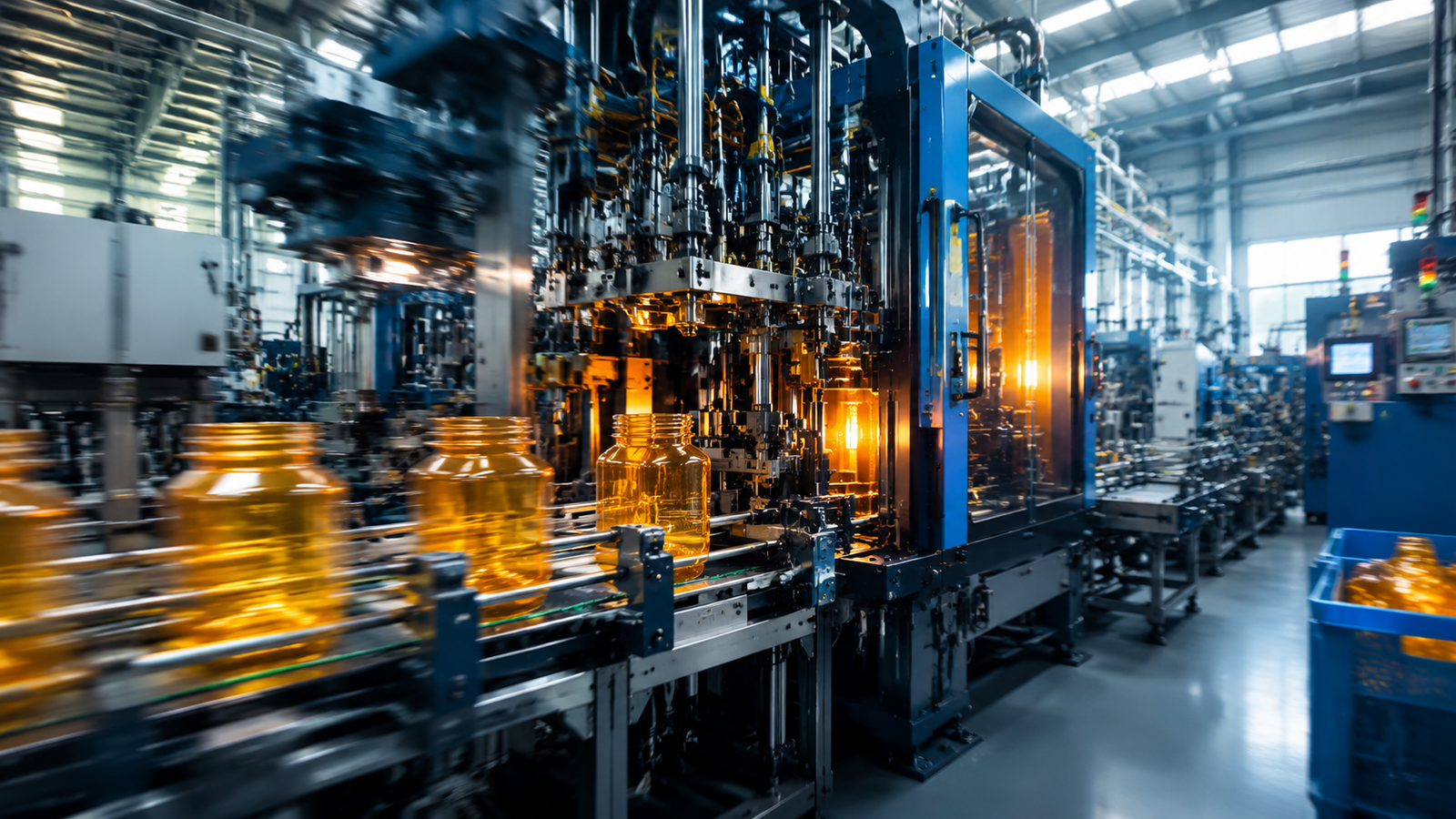
Smart Manufacturing
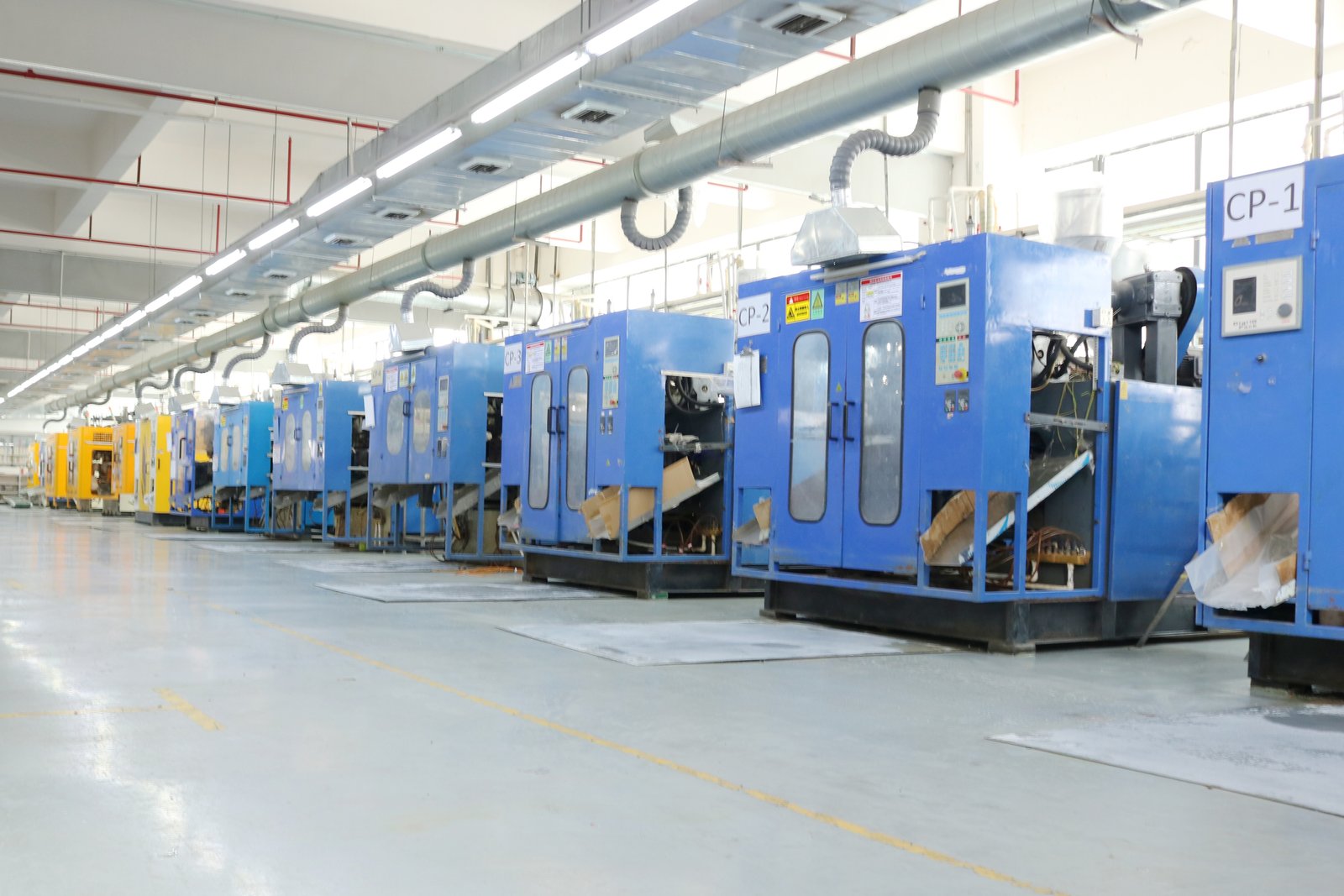
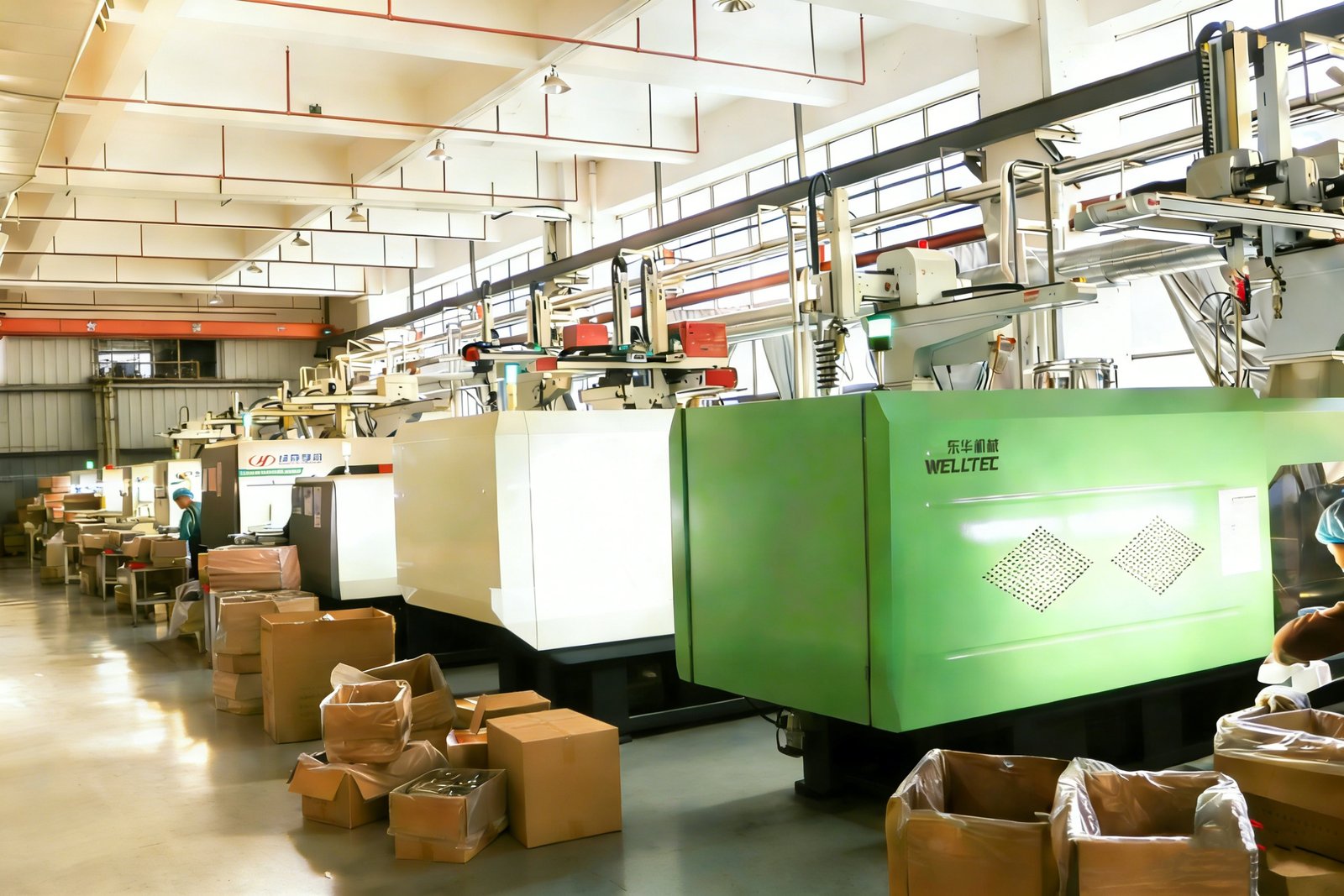
Dual-plant 14,000㎡. 30+ auto blow-molding lines. 16 injection-molding machines. The production backbone that powers every solution.
How We Work
From idea to shelf
Concept
Share your brief — capacity, material, look. We advise on the right shape and resin.
Prototype
In-house tooling builds samples in 3–10 days. Iterate until it’s right.
Mass Production
Dual-plant capacity, blow and injection molding, in-line QC from resin to finished bottle.
Delivery
FOB / CIF, easy repeat reorders, stable raw-material supply so you never run dry.
| Material | Clarity & Barrier | Chemical Resistance | Best For | Recyclable |
|---|---|---|---|---|
| PET Polyethylene Terephthalate | Up to 95% light transmission, gas-tight water barrier | Low — avoid strong acids/alkalis | Cosmetics, serums, toners — premium shelf-appeal products | ✔ Recyclable |
| HDPE High-Density Polyethylene | Opaque, matte finish | Excellent — resists strong acids and alkalis | Detergents, cleaners, shampoos — chemical-safe packaging | ✔ Recyclable |
| PP Polypropylene | Translucent, milky white | High — heat-resistant, acid/alkali tolerant | Caps, pumps, sprayers, hot-fill jars | ✔ Recyclable |
| PETG Glycol-modified PET | Crystal-clear, premium glass-like appearance | Better than PET — acid/alkali resistant | High-end serums, thick-wall jars, treatment lines | ✔ Recyclable |
| PCR Post-Consumer Recycled | Varies by source material (PET or HDPE base) | Same as base material (PET/HDPE) | EU/US brands with GRS-certified sustainability programs | ✔ GRS Certified |
How to Choose Your Material
Choose PET if your formula is water-based and you need glass-like clarity (up to 95% light transmission). Best for serums, toners, and visually-driven skincare lines where shelf appeal matters.
Choose HDPE if your product contains acids, alkalis, or solvents — HDPE is chemically inert and impact-safe. Best for detergents, cleaners, and shampoos in opaque or solid-color packaging.
Choose PP if you need heat-resistant closures and hot-fill compatibility. Best for caps, pumps, sprayers, and jars that undergo warm-fill processes.
Choose PETG if you want premium thick-wall clarity with better chemical resistance than standard PET. Best for high-end serum bottles and treatment lines.
Choose PCR (Post-Consumer Recycled) if your brand has a GRS-certified sustainability program and needs documented recycled content for EU or US compliance. Available in PET and HDPE grades.
Services that finish the job
From idea to shelf: design, private mold tooling, silk screen, labels, hot stamping, spray finish, in-line QC and global delivery.
Design
Private molds
Silk screen
Labels
Hot stamp
QC
Delivery
Smart Manufacturing
Own plants. Own tooling. Real control.
Manufacturing is our backbone — two plants, in-house molds and in-line quality, so your bottle is consistent batch after batch.
Vertical integration, end to end
From resin drying to finished decorated bottle — design, tooling, blow molding, injection molding, printing and QC all under one roof.
- ✓ Founded Aug 2003, Shenzhen
- ✓ Huizhou plant since 2020
- ✓ In-house tooling room (SJ mark)
- ✓ In-line QC & traceability
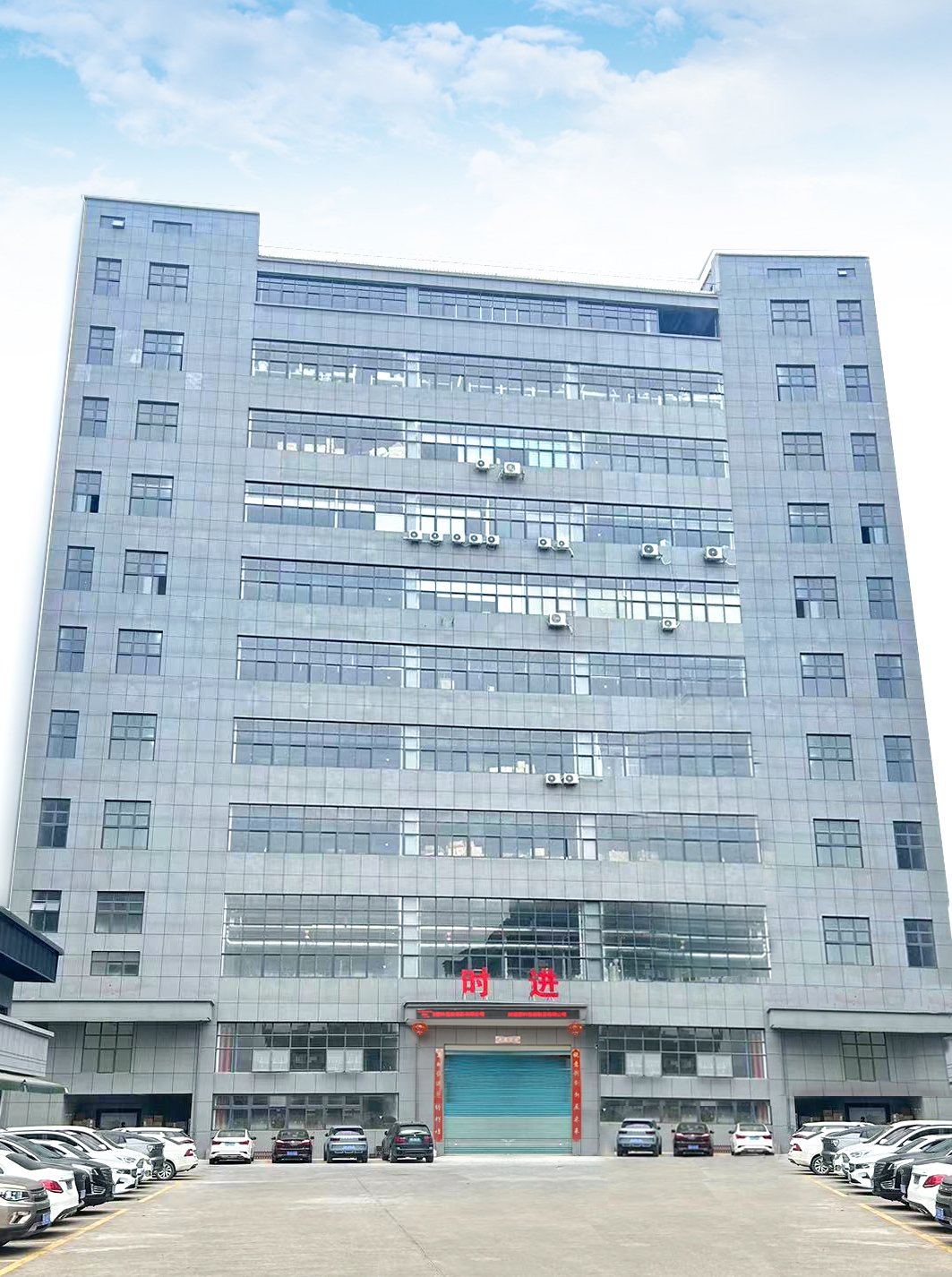
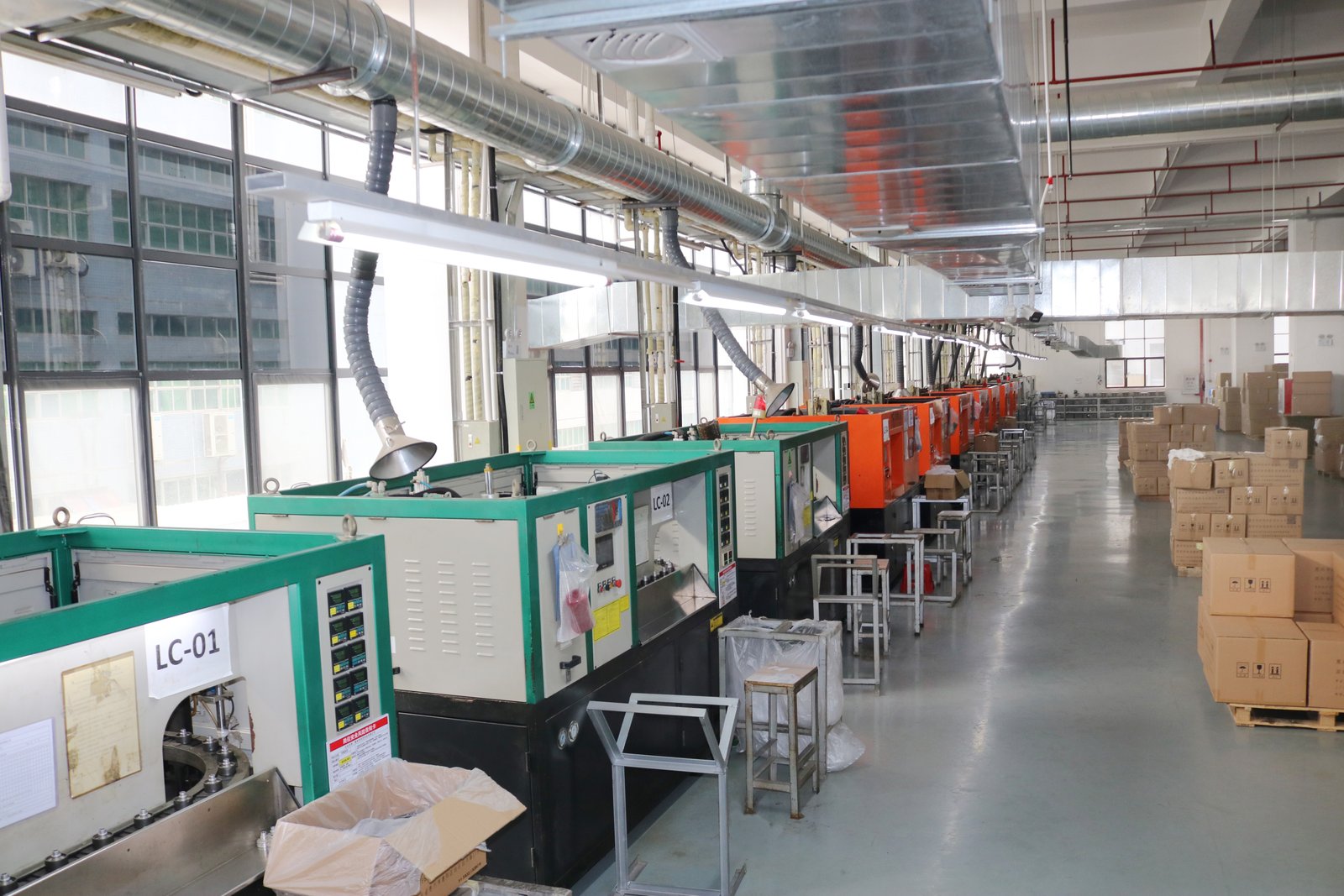
Dual-plant floor area
Skilled staff
Auto blow-molding lines
Injection-molding machines
Shenzhen plant founded in 2003, Huizhou plant added in 2020. Two plants share one workflow, so capacity, quality and timing stay predictable from first sample to repeat order.
Proof & Certifications
Trusted by buyers, verified by certs
“Sampling in 9 days and the molds were exclusive to us. Exactly what a small brand needs.”
“Consistent quality across 4 reorders. QC is real, not a checkbox.”
“Switched to their PCR PET — GRS docs clean, our EU buyer was happy.”
Reading a bottle specification — the four numbers that matter
A bottle drawing carries a lot of information, but four numbers decide almost everything: capacity, neck finish, material and wall thickness. Capacity is the one everyone specifies and the one that matters least on its own — two bottles of the same volume can behave completely differently depending on the other three.
Neck finish is the number that constrains your future. It is written as a diameter and a thread standard, such as 24/410, and it determines which closures will ever fit the bottle. Choosing it after the bottle is designed is the most common and most avoidable cause of a second tooling or sampling round, because the closure you want has to mate with the neck you specified.
Material and wall thickness work together. The material sets chemical resistance, clarity and barrier; the wall sets top-load strength, squeeze feel and how the colour reads. A translucent colour in a thin section looks considerably lighter than the same formula on a colour chip, which is why we confirm colour on a physical sample in the actual wall thickness you intend to run.
Where packaging projects actually go wrong
In our experience the failures are rarely dramatic and almost never happen at moulding. They show up months later, as a cap that loosens in a hot warehouse, print that lifts off an untreated surface, or a panel that deforms under pallet stacking. Every one of those is a specification decision made early, and every one is cheaper to fix before tooling than after distribution has started.
The pattern behind most of them is the same: a decision was made for visual reasons and never validated against the product. A clear bottle chosen for its looks holding a formula that stress-cracks it. A print specified without asking whether the surface will hold ink. A wall thickness set to hit a cost target rather than a stacking height.
All of it is preventable with a small amount of testing done early — a compatibility soak test with your actual formula, an assembly test on the closure, a print adhesion check on the real material. That is a few weeks at the beginning of a programme, and it is what separates a packaging decision from a guess.
FAQ
Quick answers
What is your minimum order quantity?+
Standard MOQ is 5,000 pcs. For custom colors or plating, 10,000. We keep it low so small and indie brands can launch.
What is your sampling lead time?+
With in-house tooling, prototypes are ready in 3–10 days after the brief is confirmed.
Do you offer sustainable materials?+
Yes — GRS-certified PCR content and mono-material recyclable options. We do not make false biodegradable claims.
What about quality and after-sales?+
ISO 9001 certified, in-line QC from resin to finished bottle, batch traceability, and replacement for confirmed defect batches. We stand behind every shipment.
Get Started
Request a quote
Tell us your product, capacity, material and quantity — engineering replies within one business day.