
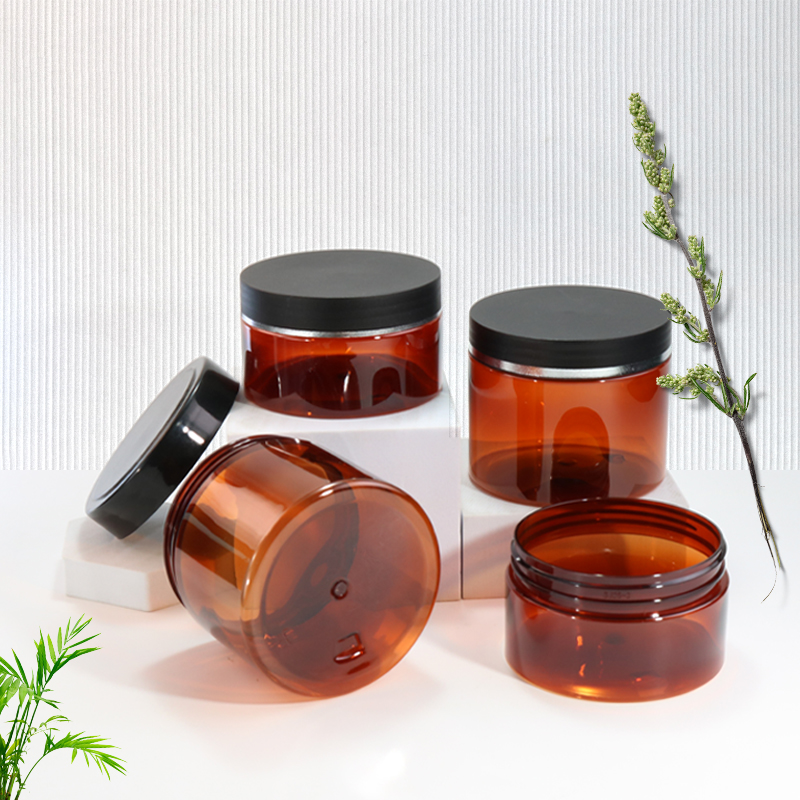
A bottle is only as useful as the closure that fits it. Neck finish — the diameter and thread standard — is the spec most new brands get wrong, and getting it wrong can strand a whole production run. This guide maps the sizes we tool and what each is for, plus the compatibility rule that keeps your supply chain flexible.
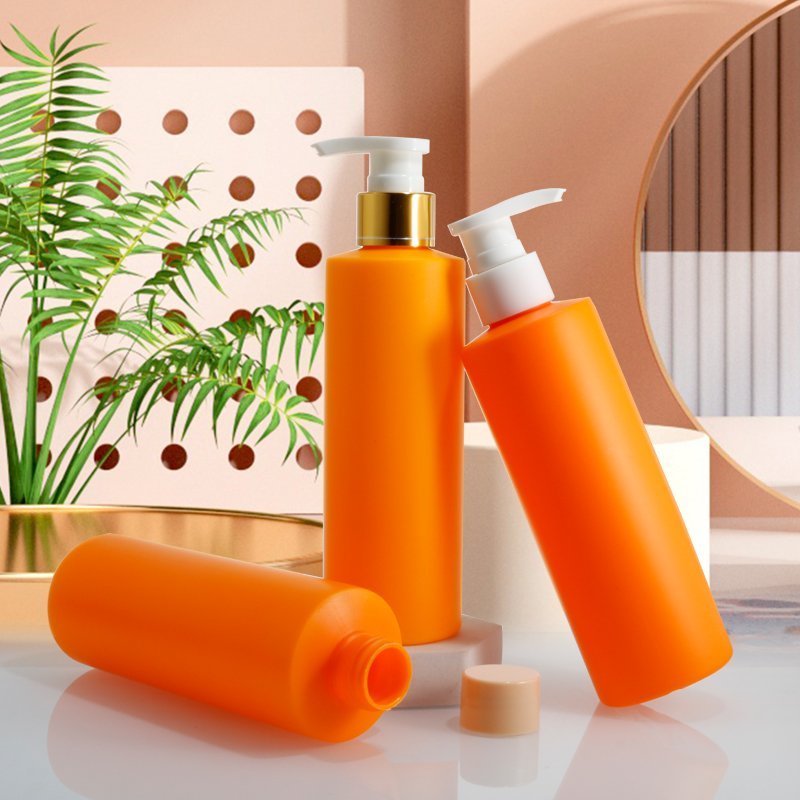
Bottles from our catalogue — three neck sizes across the same catalogue.
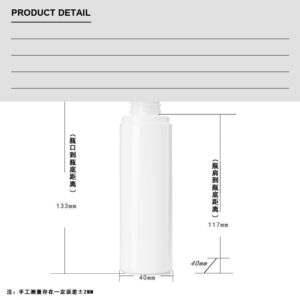

How neck size is read
The first number (18, 20, 24, 28) is the neck diameter in millimetres; the second (e.g. 410, 415) is the thread style. A 28/410 bottle takes any standard 28/410 closure — pump, spray or cap — from any compliant supplier.
Which size for which product
18-20 mm suits small 15-100 ml treatments, droppers and samples. 24 mm is common on 100-200 ml lotion and treatment bottles. 28 mm carries most 200-1000 ml shampoos, lotions and detergents, and supports lotion pumps and trigger sprays. Larger 38/400 and 45/400 necks appear on wide-mouth jars and big refill formats.
Getting it wrong costs a tooling run
If your closure and bottle neck do not match, nothing seals. We confirm neck finish at quotation so the pump you source elsewhere still fits our bottle, and we can re-thread a stock shape to your required standard where volume justifies it.
Thread standards (410 vs 415 vs 400)
The second number changes the thread pitch and seal face. 400 is a wide-mouth jar thread; 410/415 are the common bottle threads, with 415 slightly taller. Mixing them is the usual cause of a cap that ‘almost’ fits — always match both numbers.
Measuring your current neck
If you have a bottle but no spec sheet, measure the outer neck diameter with calipers and count the thread starts; cross-check against the closure you plan to use. Sending us a photo of the bottle shoulder and the closure seats is the fastest way to confirm a match before you reorder.
Mistakes that strand a run
Specifying the neck finish only after the bottle is tooled is the expensive error — the closure is then locked to whatever the bottle supports. Decide the neck first (usually 24/410 or 28/410 for flexibility), then choose the bottle shape around it.
| Neck | Typical capacity | Common closures |
|---|---|---|
| 18/415 | 15-50 ml | Dropper, small cap |
| 20/410 | 30-100 ml | Dropper, mist, treatment cap |
| 24/410 | 100-200 ml | Lotion pump, mist, disc cap |
| 28/410 | 200-1000 ml | Lotion pump, trigger, disc/flip cap |
| 38/400 | Jars / refills | Wide-mouth lid |
Related: cosmetic bottles, bath & body bottles.
Compliance note: Shijin is ISO 9001:2015 certified and supplies the compliance documents your market requires — including FDA and EU 10/2011 certificates on request — so your order clears customs and retailer audits.
Buyer checklist before you order
Lock these four things before requesting a quote: the fill volume and the headspace you need above it; the closure type (dropper, pump, spray or cap) and its neck size; the decoration (silk-screen, hot-stamp or label); and the certification your market requires.
Getting the neck finish right first saves the most time — it decides which closures will ever fit, and it is cheaper to confirm than to re-tool.
Common sizing mistakes
| Model | Material | Capacity | Neck |
|---|---|---|---|
| 30ml PET Dropper Bottle for Essent | PET | 30 ml | 18 mm |
| SJT0377 | PET | 250 ml | Custom |
| SJT0326 | PET | 326 ml | Custom |
| SJE1705 | PE | 100 ml | 24 mm (24 neck) |
The usual error is specifying the bottle by its marketing size (a ’50 ml’ bottle) while the closure and label were specced for a different neck. Match the declared capacity to the actual internal volume, not the printed number, and the fill line stays clean.
The second mistake is ignoring headspace. A viscous product needs more air above the fill than a thin one, so size the bottle to the fill plus the space the capper and shipper require.
From decision to first sample
Once the size, material and closure are set, ask for a stock-mold sample rather than waiting on a custom tool. You can validate the bottle on your own line in days and confirm the closure seats before any tooling commitment.
Bring the actual formula to the sample call — a bottle that looks right empty can behave differently once filled, and the real fill is what the stability and drop tests should run against.
Frequently Asked Questions
What does 28/410 mean?
28 mm neck diameter with a 410 thread standard — the most common size for lotion pumps and triggers on 200 ml+ bottles.
Can I use any 28 mm cap on a 28/410 bottle?
Any 28/410 closure fits; a 28 mm cap with a different thread (e.g. 28/415) may not seat correctly, so match both numbers.
Which neck for a 50 ml serum?
Usually 18/415 or 20/410 to take a dropper or small treatment cap.
Is 410 the same as 415?
No — same diameter, different thread/height; a 415 cap on a 410 bottle may not seal. Match exactly.
Can you change a bottle’s neck finish?
Where volume justifies it, we can re-thread a stock shape to your required standard so your existing closure fits.
Why confirm neck at quotation?
Because a mismatch means the closure will not seal and the run is unusable — confirming up front protects the whole order.
Explore our full bottle catalog or contact our team for custom tooling and low-MOQ production runs.