
A bulk order of bottles is only as good as the check before it runs. A short, disciplined QC checklist at the sample and pre-production stage prevents the expensive surprise of a container of rejects.
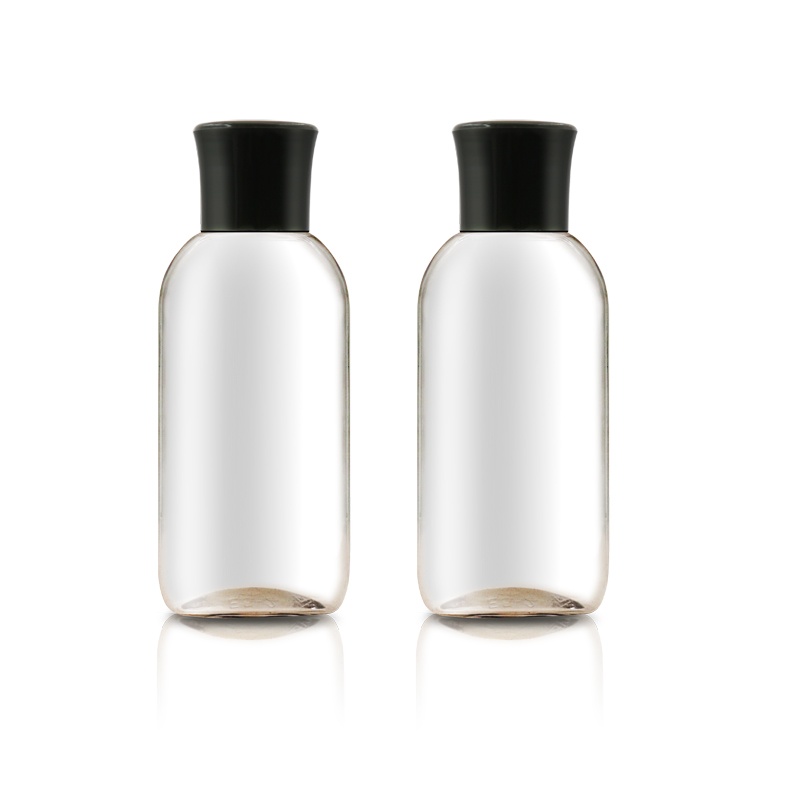
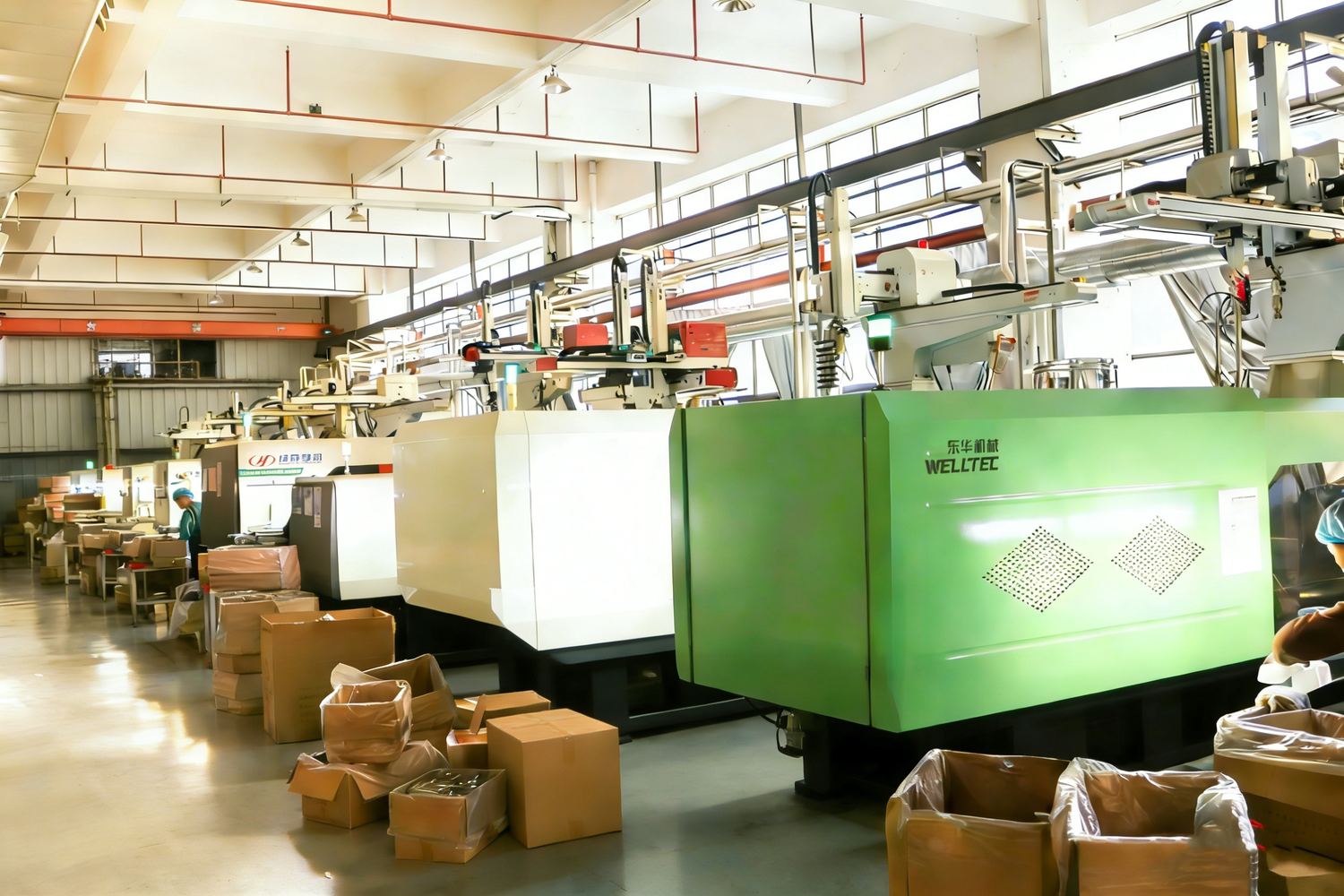
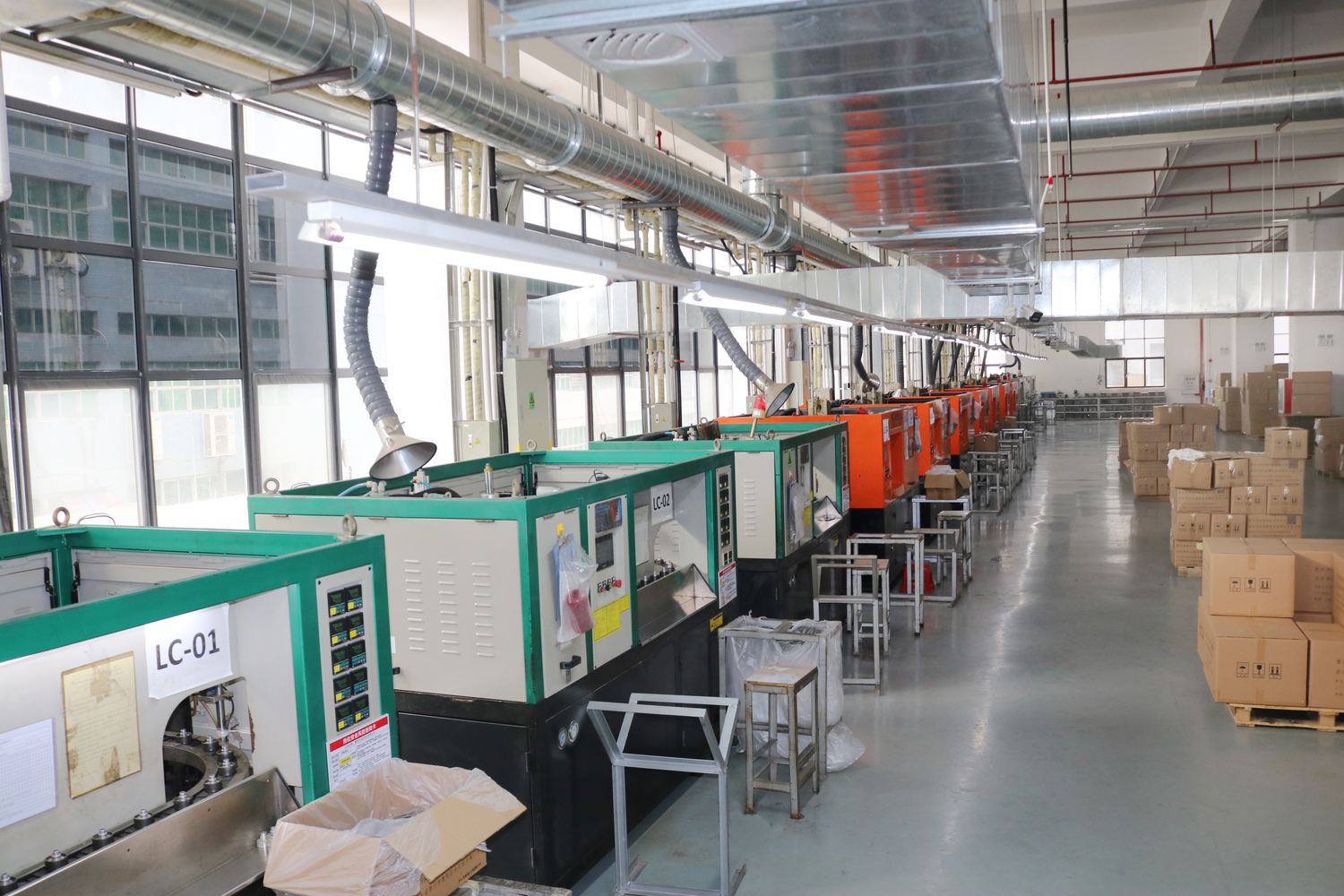
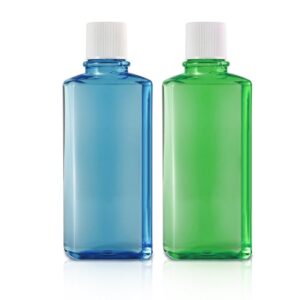
Bottles from our catalogue — the two molding stages inspected before a bulk run.
Structure and seal
Check wall thickness consistency, neck finish accuracy (it must seat the closure without cross-threading), and a leak test with the actual cap or pump fitted.
Durability
Run a drop test from the intended shelf height onto a hard surface, and a stack test if bottles ship nested or palletised. Thin or uneven walls fail both.
Decoration accuracy
Verify print registration, colour match to your masterbatch or Pantone, and label placement. A pre-production proof signed off by both sides is the cheapest insurance.
| Check | Method | Fail sign |
|---|---|---|
| Wall / neck | Measure + thread test | Cross-thread |
| Seal | Leak test w/ real cap | Weep |
| Drop | Shelf-height drop | Crack |
| Deco | Match proof | Misregister |
Related: our factory.
Compliance note: Shijin is ISO 9001:2015 certified and supplies the compliance documents your market requires — including FDA and EU 10/2011 certificates on request — so your order clears customs and retailer audits.
A QC checklist that catches the expensive failures
The pre-bulk check is cheap insurance against a container of rejects. Three checks catch most problems: wall and neck (thickness consistency and thread accuracy — the closure must seat without cross-threading), seal (a leak test with the actual cap or pump, not a blank), and decoration (print registration and colour match to the masterbatch or Pantone).
A drop test from shelf height and a stack test if bottles ship nested or palletised round out the physical checks. Thin or uneven walls fail both immediately.
Inline vs pre-shipment inspection
There are two moments to check: inline during production and pre-shipment before loading. Inline catches a drifting parameter — colour or wall thickness — while it can still be corrected cheaply; pre-shipment verifies the finished batch against the approved sample.
A short checklist run at both points — dimension, seal, drop, decoration — is what prevents a container of rejects, because catching a fault early costs pennies and catching it at the port costs the order.
Sampling with AQL and a signed proof
- Agree an AQL sampling plan up front so both sides count defects the same way.
- Sign off a pre-production proof for decoration — it is the cheapest insurance against a full misregistered run.
- Record the masterbatch code and ratio, not just “pink,” so reorders reproduce the colour.
- Keep the first-article sample as the reference for every future batch.
These four habits turn a one-off inspection into a repeatable quality gate that protects every reorder.
What good execution looks like
A solid process starts with the tool and ends with a measured, repeatable part. We cut the mold in-house, validate the first article against the drawing, and hold wall and weight within a tolerance band so every bottle off the line seats its closure the same way.
Decoration is where most programmes slip — silk-screen and hot-stamp need a clean, flat landing zone and a cure check, or the print rubs off in transit. We run that check before bulk printing.
The point of the discipline is consistency: a buyer should be able to reorder six months later and receive a bottle that matches the first one part-for-part.
Red flags to avoid
Watch for suppliers who quote a closure size they cannot actually seat, who skip the first-article sign-off, or who cannot show the resin certificate for the market you ship to. Each of those turns into a line-down event once the order is in production.
How we support your first run
Because the tool is in-house, sampling lead time is typically 3–10 days from drawing to first article. We hold the sample against the drawing, confirm wall and weight, then scale.
For a custom programme that sequence means you validate before you commit — and because the same mold and resin are used on every repeat, later orders match the approved first article.
The takeaway for buyers
Treat the first-article sample as the contract. If it seats, seals and survives the drop test, hold every later order to it, and the programme stays consistent without re-engineering.
That single discipline removes most of the risk buyers associate with offshore tooling.
Frequently Asked Questions
What should I check before bulk?
Wall thickness, neck-thread accuracy with real closure, leak/drop tests, deco match.
Do you provide a production proof?
Yes — print/deco proof with photos before full production.
What should I check before bulk production?
Wall thickness and neck-thread accuracy with the real closure, a leak test, drop and stack tests, and a decoration match to the approved proof.
Do you provide a production proof?
Yes — a print and decoration proof with photos is provided before full production, and it is the reference for every later batch.
Explore our full bottle catalog or contact our team for custom tooling and low-MOQ production runs.