
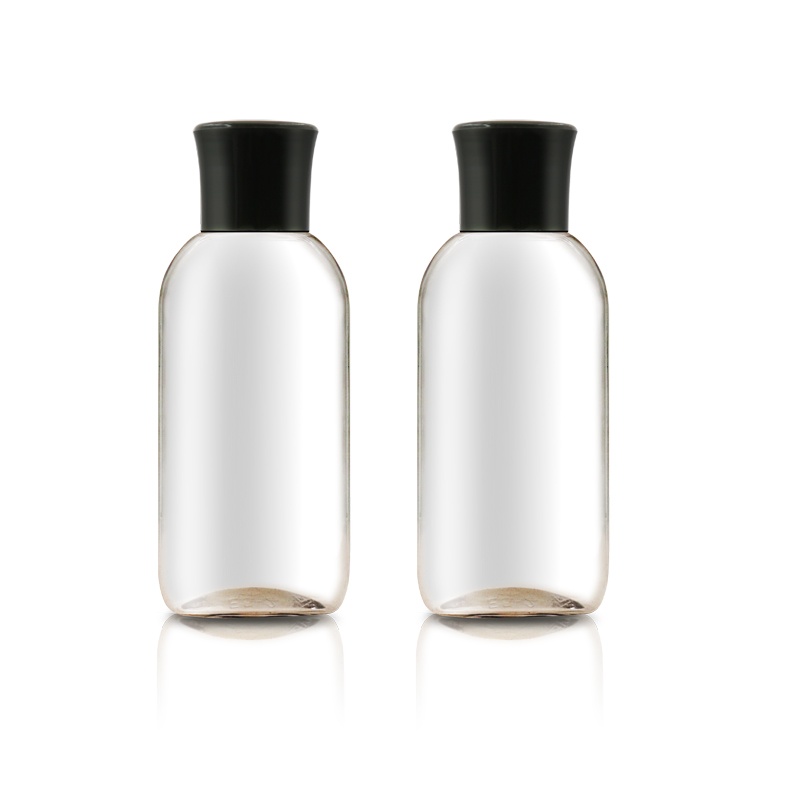
Closures are not only about convenience — for certain formulas they are a compliance requirement. Here is the practical baseline for child-resistant (CR) and tamper-evident (TE) closures.
Bottles from our catalogue — bottles specified with child-resistant and tamper-evident closures.
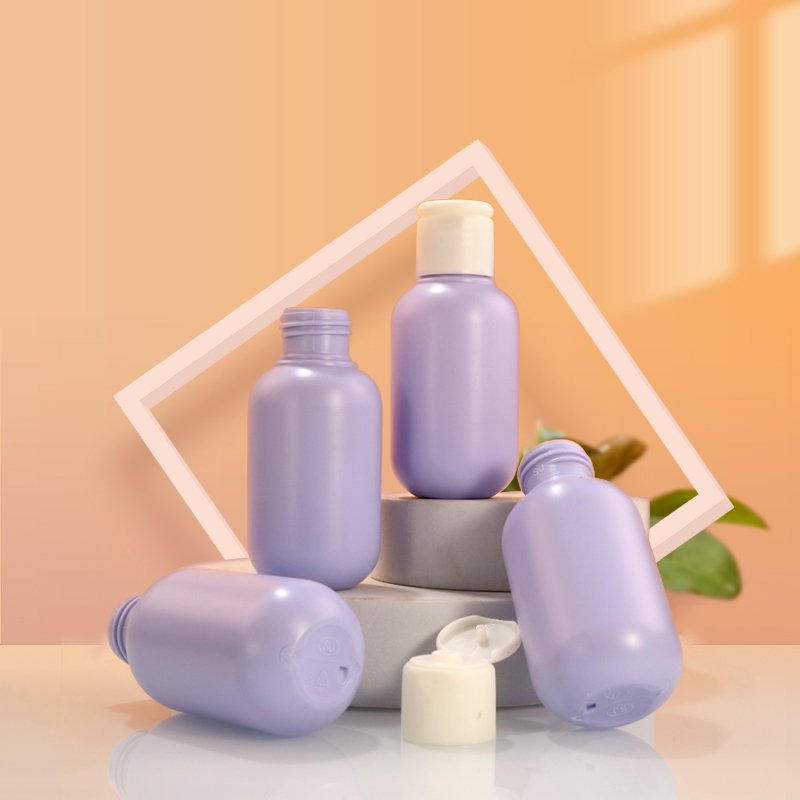
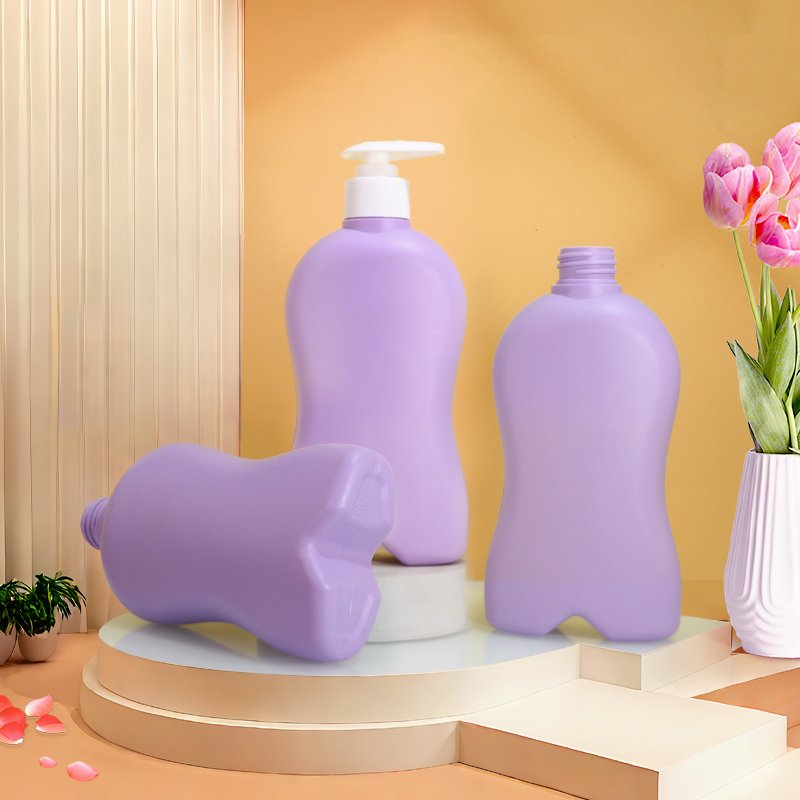
When child-resistant is required
Products with specific active ingredients (some pharmaceuticals, certain cleaners and solvents) require CR closures in many markets. A CR cap needs a deliberate two-step motion to open, which is tested to a standard.
Tamper-evident for retail
Tamper-evident rings or seals show a buyer the product is unopened. They are expected on retail skincare and personal care and are easy to add to most neck finishes.
Neck and certification
CR and TE closures still fit standard neck finishes (e.g. 28/410), but the closure itself must carry the relevant certification for your market. We supply certified CR caps where required.
| Need | Closure | Neck |
|---|---|---|
| Child-resistant | CR cap (2-step) | Std e.g. 28/410 |
| Tamper-evident | TE ring / seal | Most necks |
Related: our factory.
Compliance note: Shijin is ISO 9001:2015 certified and supplies the compliance documents your market requires — including FDA and EU 10/2011 certificates on request — so your order clears customs and retailer audits.
Child-resistant is a tested standard, not a design choice
A child-resistant (CR) closure is defined by a test standard — the cap must resist opening by a panel of children while remaining usable by adults, typically via a two-step motion like push-and-turn. When a market requires CR for a formula, the requirement is tied to the active ingredient (certain pharmaceuticals, cleaners and solvents), not to the brand’s preference.
The closure itself must carry the relevant certification for your market. CR caps still fit standard necks like 28/410, but “CR” is a property of the tested closure, not the bottle.
The standards behind the claims
The standards worth knowing are ISO 8317 for child-resistant packaging, and the tamper-evidence tests that show a ring or seal breaks cleanly on first open. When a market requires CR, the cap must be tested and certified to that standard, not simply described as child-resistant.
Ask the supplier for the certificate and the test reference, and keep it with your compliance file for the formula — that is what a regulator or retailer audit will ask to see.
Tamper-evidence is a separate requirement
| Feature | What it does | Where it’s expected |
|---|---|---|
| Child-resistant | Two-step open resists children | Regulated actives, some cleaners |
| Tamper-evident | Shows if opened (ring/seal) | Retail skincare, personal care |
Specify both explicitly — a CR cap does not automatically include a tamper-evident ring, and vice versa. Most retail personal-care and supplement products want the tamper ring, while only certain formulas require the CR mechanism.
Closure × bottle compatibility
| Model | Material | Capacity | Neck |
|---|---|---|---|
| 100ml PET Square Bottle for Lotion | PET | 100 ml | 24 mm |
| SJT0242 | PET | 242 ml | Custom |
| SJE1712 | PE | 300 ml | 28 mm (28 neck) |
| HDPE Cosmetic Bottle (120ml) | HDPE | 120 ml | 24 mm |
A closure only works if the neck finish matches. The bottles above cover the common 18/20/24/28 mm finishes we stock; pick the closure to the neck, not the other way round.
If a closure you like is specced for a different neck, the right move is usually to match the bottle neck to the closure you want — re-threading a bottle is cheaper than fighting a mismatch on every unit.
Sizing the closure to the fill
Heavier or more viscous fills want a wider neck and a pump or trigger that primes without air-lock. Light serums and essences suit a narrow 18–20 mm dropper or mist. Match the closure stroke to the daily use, and the bottle feels designed rather than assembled.
Decoration and the closure landing zone
Print and label live on the body, but the closure needs a clean, round neck to seat and seal. Leave a flat band above the neck free of decoration so the torque and seal are repeatable across the run.
On a custom shape, design that band into the tool from the start — adding it afterwards means re-cutting the mold, which is the kind of change that pushes lead time out.
One checklist before you buy
Before you buy, confirm three numbers: the neck finish on the bottle, the neck finish on the closure, and the torque the capper applies. If those three agree, the rest is detail.
Keep the decoration band clear of the neck so the seal is repeatable on every unit.
Frequently Asked Questions
Do I need a child-resistant cap?
Only if your market regulation requires it for the formula; we confirm at quotation.
What is tamper-evident packaging?
A seal or ring showing if opened — standard on retail personal care.
Do I need a child-resistant cap?
Only if your market regulation requires it for the formula — it is tied to the active ingredient. Confirm the requirement at quotation, not by assumption.
Is tamper-evident the same as child-resistant?
No — tamper-evidence shows whether the product was opened, while child-resistance makes it hard for children to open. They are separate features, often bundled.
Explore our full bottle catalog or contact our team for custom tooling and low-MOQ production runs.