
China is the default sourcing hub for cosmetic bottles, but import success is in the details — MOQ, Incoterms and QC. A practical importer’s checklist.


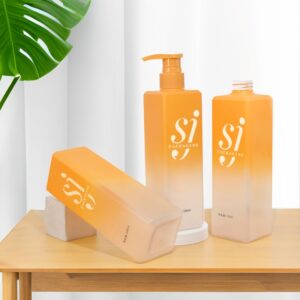
MOQ & lead time
Stock shapes start around 5,000 pcs; custom around 10,000. Sampling runs 3–10 days with in-house tooling, and production is a few weeks after approval.
Shipping
Choose FOB, EXW or DDP. Sea freight suits volume; air suits urgent orders. PET is light, so carton weight and pallet count stay manageable.
QC before shipment
Confirm the neck match, approve a decoration proof, and request pre-shipment photos. A drop-test on samples catches fragile builds before they ship.
Related: our factory.
Shop these bottles: 220 ml PET cosmetic bottles, 300 ml PET cosmetic bottles, 500 ml PET cosmetic bottles.
The import sequence, step by step
- Define the spec. Capacity, material, neck finish, closure, decoration and packing — before you contact anyone.
- Request quotes from two or three suppliers on the identical specification, and ask for tooling cost separately from the unit price.
- Order samples. A paid sample with your own formula filled and the intended closure fitted.
- Approve the decoration proof. Colour reference, artwork placement and print method, all confirmed in writing against a physical standard.
- Place the production order with the specification attached to it, not merely agreed in emails.
- Run pre-shipment QC before the cartons are sealed, while a fix is still possible.
- Book freight and clear customs with the documents your destination market requires.
- Receive, inspect and reorder — and record the settings that worked, so the second order copies the first.
Cutting MOQ without losing quality
MOQ exists because a production run carries set-up cost: machine time, colour change, decoration set-up. The levers that reduce it are structural, not favours:
- Choose an existing shape. A stock mold removes tooling from the equation entirely.
- Choose a standard colour. A natural or white bottle avoids a colour-matching and cleaning cycle.
- Defer decoration. Launch labelled rather than silk-screened, and add print when volume justifies the set-up.
- Standardise the neck. Reusing a common neck finish lets the factory run your body on a line already set for it.
- Combine SKUs. Two colours of the same shape in one order can share a set-up.
A supplier who can show you a batch record for the same shape run for another customer is a better sign than a low number quoted on its own.
Sampling and approval
The sample stage is where you spend a little to avoid spending a lot. Order with your own formula inside, filled to your intended volume, with the closure you plan to use. Check that the closure seats and torques cleanly, that the colour matches the agreed reference under daylight, that the decoration sits where the artwork says, and that the bottle survives a drop in the shipping carton. Approve against a retained physical sample, not a photograph — screens and lighting change how a colour reads.
QC before shipment
Pre-shipment inspection is most useful while the goods are still in the factory. Ask for:
- Production photos against the approved sample
- Carton count, dimensions and gross weight
- Confirmation of the capping torque setting used
- A drop test on a packed carton
- The batch inspection record, where one is issued
If you use a third-party inspection service, schedule it before the container is loaded, not at destination. A defect found in the factory is a repair; the same defect found at your warehouse is a claim.
Packing and container loading
Bottles ship light but bulky, so the packing decision drives your freight cost more than the weight does. Confirm the carton count per bottle, whether an insert or divider is used for small formats, and the pallet pattern. For a full container, ask for a loading plan with the carton count per layer — it is the fastest way to see whether the shipment will cube out before it weighs out.
Documents to expect
Depending on the supplier and the market, the document set typically includes a commercial invoice, a packing list, a bill of lading or air waybill, a certificate of origin where required, and product documentation such as material safety data sheets and compliance declarations for the material and process. Ask for the list at the ordering stage so nothing holds the shipment at the port while it is being chased.
Payment structure
Payment terms are negotiated against risk, not against price. A first order with a new supplier usually involves a deposit and a balance against shipping documents; a repeat order with a validated supplier can move to softer terms. What matters is that the deposit, the inspection window and the balance trigger are written into the order, so a QC finding has a point at which it can be acted on.
Common import mistakes
- Fixing decoration before the neck. The closure drives the neck; get that wrong and the artwork area changes.
- Comparing quotes with different scope. One supplier includes closures and packing, another does not.
- Skipping the physical sample. A drawing cannot tell you how a cap feels or how a colour reads.
- Inspecting at destination. By then the only remedy is a claim.
- Under-specifying the carton. It is the cheapest part of the order and the most common cause of damage.
- Losing the record. Re-order consistency depends on keeping the approved sample and the settings that produced it.
What to send for a first quote
You will get a faster, more comparable answer if the first enquiry carries seven data points: target capacity, material or a description of the formula, neck finish if it is already fixed, the closure you intend to use, decoration requirements, first-order and re-order quantities, and destination market. With those, a supplier can usually point to a mold that already exists — the difference between a few weeks and a few months, and between a stock price and a tooling invoice.
Building a repeatable supply chain
The first order is a project; the tenth order should be routine. That shift happens when the specification, the approved sample, the capping torque setting and the carton dimensions are all recorded and reused. A supplier who keeps those on file for your account turns a re-order into a confirmation rather than a fresh negotiation — and it is the single biggest difference between importing once and importing as a supply chain.
Questions buyers ask us most
What Incoterm is best for a first order?
FOB is common and keeps you in control of freight; DDP simplifies but costs more.
How do I QC remotely?
Pre-shipment photos, an approved decoration proof, and a drop-test on samples before the container closes.
Not sure which bottle, material or neck finish is right? Send your spec and we will point you to the closest stock shape or quote a custom mold.
Related Cosmetic Bottles
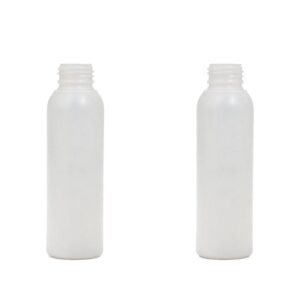
100ml HDPE Cosmetic Bottle
PE · 100 ml
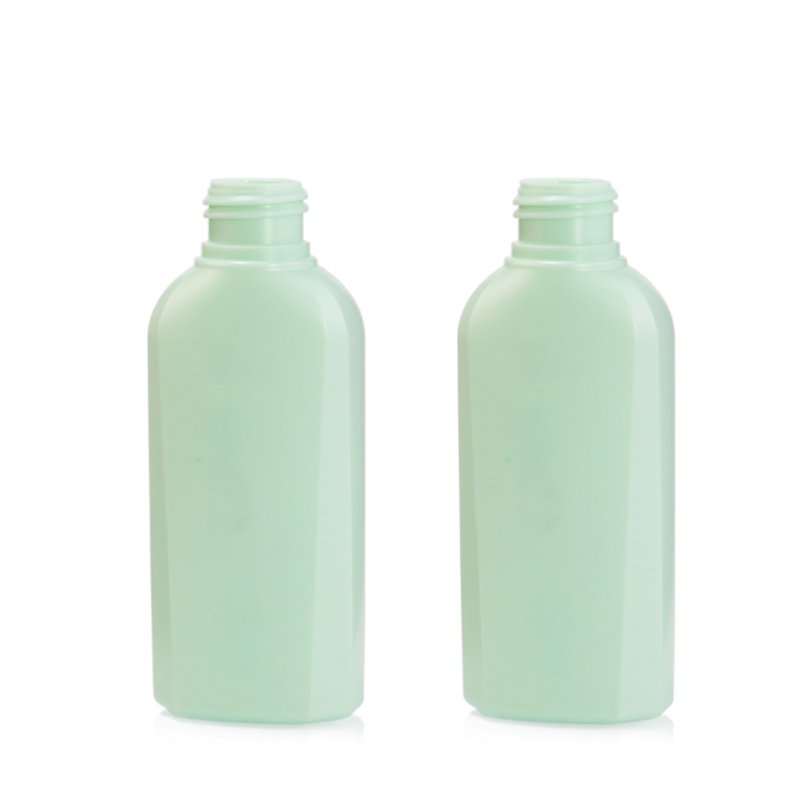
100ml HDPE Cosmetic Bottle – Custom Logo
HDPE · 100 ml
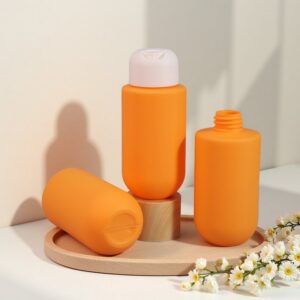
100ml PE Cosmetic Bottle for Facial Cleanser & Lotion – 20mm Neck, 18g
PE · 100 ml

100ml PE Soft Touch Cosmetic Bottle – 24mm Neck
PE · 100 ml