
Someone on your export team forwards a list of certifications and suddenly the bottle project has a compliance department. Most of the panic is avoidable. The first thing to separate is what the material itself must satisfy versus what a factory might claim to hold. The bottle is a passive component — your obligation is material safety and traceable documents, not a wall of certificates.
Material compliance vs product certificate
A plastic bottle doesn’t get ‘certified’ the way a finished cosmetic does. What matters is that the material is safe for its intended contact and that you can prove it with a document tied to the specific resin and market. At Shijin Packaging, a cosmetic plastic bottle manufacturer in China since 2003, the held certification is ISO 9001:2015 for the quality system; the material safety story is told through compliance declarations and test reports, not a pile of stamps.
What ‘food contact’ actually means
For the US, bottles intended for personal-care or cosmetic contact are generally assessed against FDA food-contact material requirements for the resin grade. For the EU, the relevant benchmark is Regulation (EC) No 10/2011 for plastic materials and articles intended to come into contact with food. These are material standards the bottle is made to meet — ask for the compliance declaration for your specific resin, not a vague ‘we are food-grade’.
The documents worth asking for
Request a material compliance declaration (FDA or EU 10/2011, as applicable), a third-party test report from an recognised lab where the market demands it, and the ISO 9001:2015 certificate copy. For recycled content, ask for the PCR chain-of-custody document. The phrase to avoid is a supplier saying ‘we are certified’ without naming the exact standard and showing the paper. Specific documents beat confident claims every time.
Where GRS and recycled content fit
GRS (Global Recycled Standard) is not a safety certificate — it’s a chain-of-custody standard proving recycled content is what it says. If your brand claims a percentage of PCR or recycled resin, GRS or an equivalent verification backs that claim. It’s a marketing and traceability asset, not a compliance gate for the bottle to be legal to sell. Know which one you’re actually being asked for.
Traps in the certification conversation
The biggest trap is accepting a generic certificate that doesn’t name your resin, your market, or the issue date. Another is confusing a factory’s ISO 9001 (quality system) with product safety approval (it isn’t). And beware any supplier who hands you a certificate for a different product line and implies it covers your bottle. The document has to match the part you’re buying.
A short checklist before you sign
Write down: which market (US / EU / both), which material contact claim you’re making, and what document proves it. Then ask the supplier for exactly that paper, tied to your resin and batch. If they can produce a dated, specific compliance declaration, the certification question is essentially closed — no need to collect certificates the bottle was never going to carry.


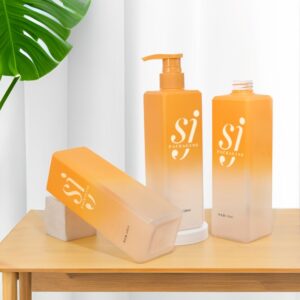
See how these specs show up on real parts: 220 ml PET cosmetic bottles, 300 ml PET cosmetic bottles.
Frequently asked questions
Do cosmetic bottles need food-grade certification?
Not a single ‘food-grade certificate’ — what you need is material compliance for the intended contact. For the US that’s typically FDA food-contact requirements for the resin grade; for the EU it’s Regulation (EC) No 10/2011. Ask for a compliance declaration tied to your specific material and market, not a vague ‘we are food-grade’ line on a website. The document has to name the resin and the standard.
Is ISO 9001 enough for export?
ISO 9001:2015 covers the quality-management system, not product safety, so on its own it doesn’t satisfy material-compliance rules. It’s a real signal that the factory runs a documented process, and it’s the one certification Shijin Packaging holds. But for the bottle to clear a market you still need the material compliance declaration (FDA or EU 10/2011 as applicable) for the resin you’re buying.
What test reports should the factory provide?
A material compliance declaration for your resin and market as the baseline, and a third-party test report from a recognised lab where the destination market or your buyer demands it. For recycled content, a PCR chain-of-custody document. The reports should name the exact material, the standard, and a recent date — generic certificates for a different product line don’t count.
Does my bottle need GRS for recycled content?
Only if you’re making a marketing claim about recycled or PCR content. GRS is a chain-of-custody standard that verifies the recycled material is what it says — it’s a traceability and branding asset, not a legal safety gate. If you claim, say, 30% PCR, GRS (or an equivalent) backs that claim; if you don’t claim recycled content, you don’t need it.
Who is responsible for compliance, me or the supplier?
Both, but at different layers. The supplier must provide accurate material compliance documents for the resin and the part. You, as the brand placing the product on the market, carry the obligation to ensure those documents match your claims and market. The practical rule: get the supplier’s declaration, then keep it on file against the specific SKU it covers.