
You have the design, the formula, and a launch date. The two numbers that decide whether any of it ships are the tooling cost and the sampling window. Neither is a single fixed figure — both move with the shape, the neck finish, and how much of the work is modification versus building from zero. Here is the honest range buyers actually see.
What you’re actually paying for in a mould
A bottle mould is a block of hardened steel with a cavity cut to your shape, plus the cooling channels, the neck insert, and the ejection system. At Shijin Packaging, a cosmetic plastic bottle manufacturer in China since 2003, the mould cost tracks complexity: a simple round bottle with a standard neck is cheap steel; a bottle with an offset shape, a thin wall, or a custom thread needs more machining and more cavities, and the price climbs with every added feature.
Modification versus a brand-new tool
The biggest lever on cost is whether a stock mould already exists. Modifying an existing tool — changing the neck, the volume, or a surface detail — is a fraction of a from-scratch mould. A fully custom shape means new steel, so budget accordingly. When a supplier quotes fast and low, check whether they’re adapting something they already own; that’s usually the efficient path for a first launch.
How many sample rounds before sign-off
Plan for two to three. The first moulded sample confirms the shape and the neck finish against your cap or pump. The second reflects your changes. Then you sign the golden sample. Each round is a few days of moulding plus transit, and rushing it is how silent defects reach mass production. Sampling is where the real lead-time risk lives, not the steel cutting itself.
The timeline from confirmation to sample
For a modification of an existing tool, first samples can appear in roughly a week to ten days. A new custom mould typically runs fifteen to thirty days to first sample, depending on complexity and how busy the tool room is. Add the colour-match sampling if you’re going custom colour. This is the window to protect most — it sits between your deposit and your ability to actually evaluate a part.
What pushes the date and what protects it
A vague drawing pushes the date; a signed one protects it. Peak season (before major retail cycles) pushes it; a flexible launch window protects it. And a supplier who samples before taking full tooling payment protects your deposit. The single most reliable accelerant is sending a clear neck finish and closure up front, because the neck is usually the longest-lead element of the tool.
A lower-risk path if it’s your first mould
If this is your first custom bottle, start on a stock or lightly modified mould, sample it, validate the market, then invest in fully custom steel once volume justifies it. You get a real, held-in-hand bottle quickly, keep the tooling deposit small, and learn what you actually need before committing to the expensive shape. The expensive shape is easier to justify once orders exist.
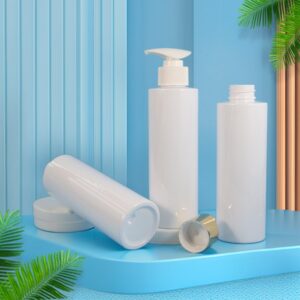

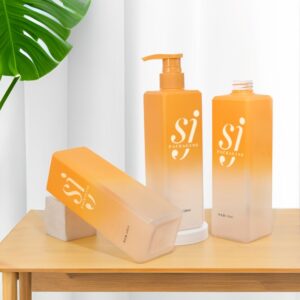
See how these specs show up on real parts: 220 ml PET cosmetic bottles, 300 ml PET cosmetic bottles.
Frequently asked questions
How much does a custom bottle mould cost?
It tracks complexity, not a flat fee. A simple round bottle with a standard neck is the cheap end; an offset shape, thin wall or custom thread needs more machining and more cavities, so the price climbs with each added feature. The biggest cost lever is whether a stock mould already exists — modifying an existing tool is a fraction of cutting brand-new steel. Ask whether the quote adapts existing tooling before you compare numbers.
How long until I get the first sample?
For a modification of an existing tool, first samples often appear in about a week to ten days. A fully new custom mould typically runs fifteen to thirty days to first sample, depending on complexity and the tool room’s load. Add a few more days if you’re doing a custom-colour match. This sampling window — not the steel cutting — is where most lead-time risk sits, so protect it in your plan.
What is the difference between a prototype and a moulded sample?
A prototype (3D-printed or modelled) shows you the look but not the real material behaviour, wall thickness or neck fit. A moulded sample comes from the actual tool or a representative cavity, so it tells you whether the cap seals, the wall holds, and the part ejects cleanly. For a buying decision you want the moulded sample; the prototype is only for early shape alignment.
Do I pay for tooling before or after sampling?
Normally a deposit starts the tool, and the balance is triggered at or after the sample you approve — not before you’ve held a real part. A supplier who demands full tooling payment up front with no sample step is a flag worth pausing on. Keep the final payment tied to your signed golden sample so the deposit is what’s actually at risk early.
Can I get a sample before committing to the full mould fee?
Yes, and you should. Most suppliers will run a sample from a modified or representative tool at a much smaller cost than full custom steel, so you can validate shape, neck and feel before the big commitment. Starting on a stock or lightly modified mould is the lower-risk first step; move to fully custom steel once orders justify the expense.