
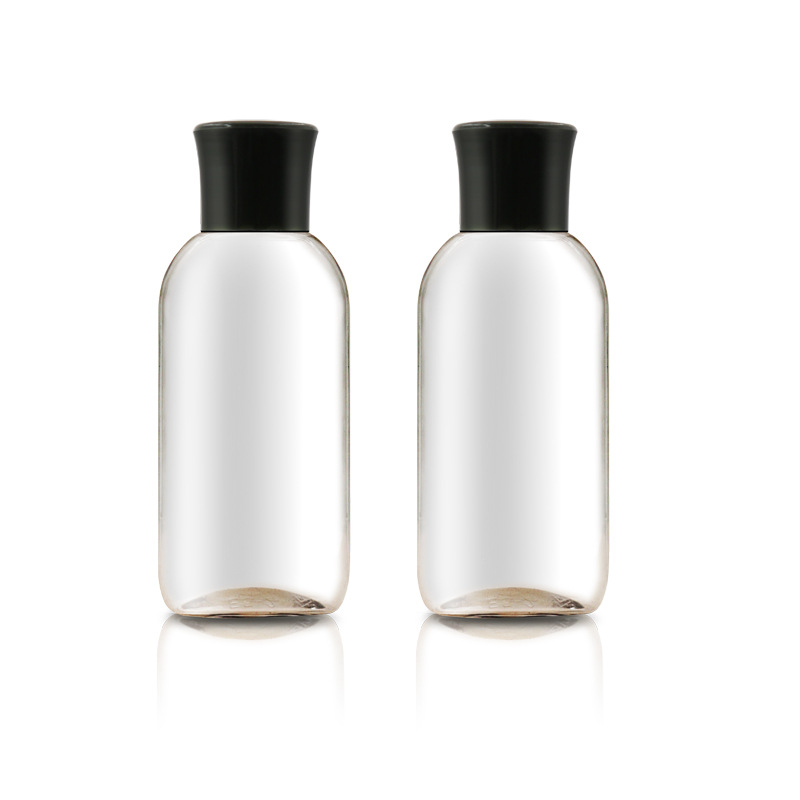
A ‘100 ml bottle’ rarely holds exactly 100 ml of product in practice. Understanding the gap between brim capacity and working fill volume prevents overflow, leakage and unhappy customers.
Bottles from our catalogue — the same shape family across three fill volumes.
Brim capacity vs working fill
The printed capacity is the brim-full volume. Your actual fill should leave headspace for the closure, expansion from temperature changes, and safe shipping. We publish working capacities so your fill line is accurate.
Matching size to use
Travel and samples sit at 30–100 ml; daily-use skincare and haircare land at 100–200 ml; family or refill sizes run 300–1000 ml. Pick the tier that matches how the product is actually used.
Don’t over-size
An oversized bottle makes a premium serum look cheap and costs more to fill and ship. Right-sizing protects both margin and perception.
| Tier | Capacity | Example |
|---|---|---|
| Sample / travel | 30-100 ml | Serum, mist |
| Daily use | 100-200 ml | Lotion, shampoo |
| Family / refill | 300-1000 ml | Detergent, refill |
Related: cosmetic bottles.
Compliance note: Shijin is ISO 9001:2015 certified and supplies the compliance documents your market requires — including FDA and EU 10/2011 certificates on request — so your order clears customs and retailer audits.
Brim capacity is not the fill you ship
A “100 ml” bottle holds 100 ml to the brim, but the working fill must leave headspace for the closure, thermal expansion and safe shipping. Fill to about 90–95% of brim capacity and you avoid overflow, leakage and a customer who thinks the bottle is underfilled — which is exactly what happens when a bottle is brim-filled.
Right-sizing protects both margin and perception: an oversized bottle makes a premium serum look cheap, and it costs more to fill and ship. Match the capacity tier to how the product is actually used.
Net content and the e-mark
Legal fill matters as much as physical fill. Most markets require the labelled net content to be accurate within a tolerance, and the EU’s e-mark certifies that the bottle’s stated volume meets the directive. Underfilling to save product risks regulatory action and consumer complaints, while brim-filling causes overflow — so the working fill and the declared net content should be aligned and documented together.
State the brim capacity, the working fill and the labelled net content as three separate numbers, and keep them consistent on the spec sheet.
The tier system that sizes correctly
| Tier | Capacity | Example |
|---|---|---|
| Sample / travel | 30–100 ml | Serum, mist |
| Daily use | 100–200 ml | Lotion, shampoo |
| Family / refill | 300–1000 ml | Detergent, refill |
Publishing working capacities (not just brim) on the spec keeps your fill line accurate and your customers’ expectations honest.
Buyer checklist before you order
Lock these four things before requesting a quote: the fill volume and the headspace you need above it; the closure type (dropper, pump, spray or cap) and its neck size; the decoration (silk-screen, hot-stamp or label); and the certification your market requires.
Getting the neck finish right first saves the most time — it decides which closures will ever fit, and it is cheaper to confirm than to re-tool.
Common sizing mistakes
| Model | Material | Capacity | Neck |
|---|---|---|---|
| SJT0022 | PET | 22 ml | 28 mm |
| SJT0359 | PET | 140 ml | Custom |
| SJT0331 | PET | 331 ml | Custom |
| SJE0088 | PE | 100 ml | Custom |
The usual error is specifying the bottle by its marketing size (a ’50 ml’ bottle) while the closure and label were specced for a different neck. Match the declared capacity to the actual internal volume, not the printed number, and the fill line stays clean.
The second mistake is ignoring headspace. A viscous product needs more air above the fill than a thin one, so size the bottle to the fill plus the space the capper and shipper require.
From decision to first sample
Once the size, material and closure are set, ask for a stock-mold sample rather than waiting on a custom tool. You can validate the bottle on your own line in days and confirm the closure seats before any tooling commitment.
Bring the actual formula to the sample call — a bottle that looks right empty can behave differently once filled, and the real fill is what the stability and drop tests should run against.
If you only remember one thing
Specify the neck finish before anything else. It is the one dimension that locks the closure, the capper and the label, and fixing it late is the most expensive change in the whole programme.
Everything else — colour, decoration, even the exact capacity — can flex around a confirmed neck.
Frequently Asked Questions
How much headspace should I leave?
Plan fill to about 90-95% of brim capacity for closure and shipping safety.
Does oversizing hurt?
Yes — an oversized bottle makes a premium serum look cheap and costs more to fill and ship.
How much headspace should I leave?
Fill to about 90–95% of brim capacity to leave room for the closure, thermal expansion and safe shipping.
Does oversizing a bottle hurt?
Yes — it makes a premium product look cheap and costs more to fill and ship, so it damages both margin and perception.
Explore our full bottle catalog or contact our team for custom tooling and low-MOQ production runs.