
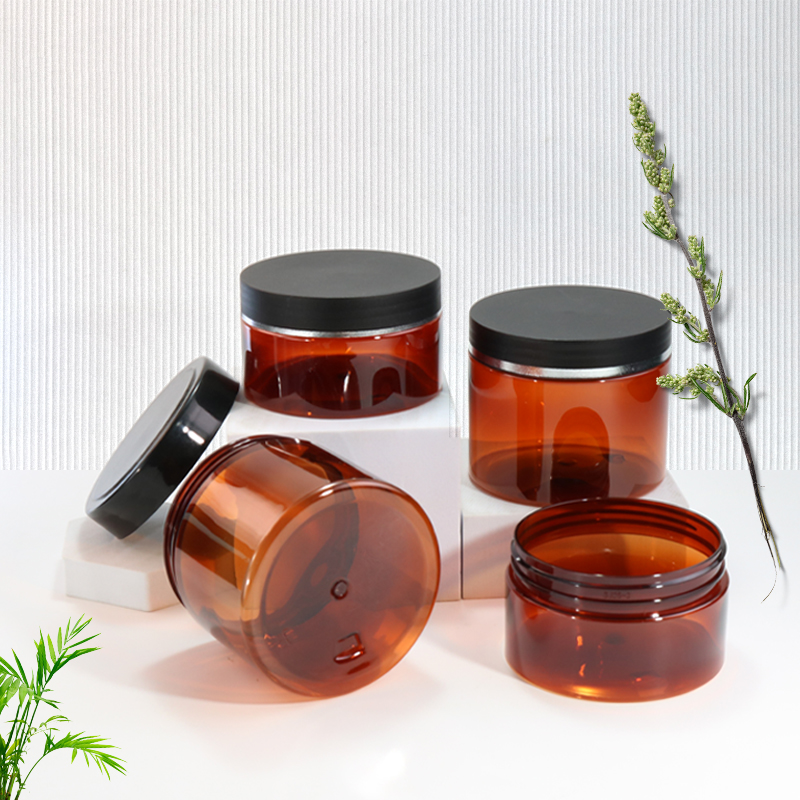
A short scan of what is moving in cosmetic and personal-care packaging — useful context when you brief a new bottle or closure program.

Recent headlines
- Roll-On Packaging Market – Future Market Insights
- Study examines PCR safety in cosmetics – RECYCLING magazin
- Research highlights safety trade-offs in PCR materials for personal care – Personal Care Insights
- Sustainable Cosmetic Packaging Made in North America – Beauty Packaging
Why it matters for buyers
Recycled content, mono-material design and refill systems keep appearing in industry coverage because regulation (not just preference) is pushing them. Specifying for recyclability now keeps export programs ahead of PPWR and EPR fees.
Related: cosmetic bottles, our factory.
What ‘PCR’ means on a cosmetic bottle
PCR (post-consumer recycled) resin is plastic recovered from household waste streams, washed, re-granulated and re-pelletised into usable resin. For cosmetic bottles that means either PCR PET (from recycled drink bottles) or PCR HDPE (from milk, detergent and shampoo bottles). A 30% PCR PET bottle is therefore 30% recycled flake and 70% virgin resin, blended to hold clarity and drop-impact strength.
The catch is that PCR is a recycled material, not a certified purity grade. Cosmetic formulas that touch the bottle wall must still pass the same migration limits as virgin plastic, so recycled content has to be documented through a chain-of-custody standard rather than a simple supplier claim.
Safety, clarity and documentation
Research coverage keeps returning to one question: is PCR safe enough for skin-contact formulas? The short answer is yes when the feedstock is food-grade flake and the supplier can trace it. The practical safeguards are a Global Recycled Standard (GRS) certificate for the recycled claim, plus a migration test summary for your specific formula type (aqueous, oily or alcohol-based).
Expect two cosmetic trade-offs. First, clarity: PCR PET can show a faint grey or yellow tint, so a heavily pigmented bottle hides it better than a crystal-clear one. Second, consistency: recycled flake varies batch to batch, which is why brands lock a PCR percentage and blend ratio rather than chasing 100%.
Questions buyers ask us most
Where is cosmetic packaging regulation heading?
Toward mandatory recycled content and design-for-recycling, led by the EU PPWR — relevant if you export to Europe.
How do I act on these trends?
Ask suppliers for documented PCR content and recyclable, mono-material builds; we can specify both on request.
How much PCR content can a cosmetic bottle have?
Anywhere from 10% to 100%. Most brands land at 30–70% PCR blended with virgin resin, because full-PCR bottles are more brittle and less transparent.
Is PCR plastic safe for skincare?
Yes, when the feedstock is food-grade flake and the supplier documents chain of custody and migration testing for your formula. Unverified recycled content is the risk, not PCR itself.
What cosmetic formulas demand from the bottle
For cosmetic fills the bottle is part of the compliance and performance chain, not just a container. The body has to hold the formula without stress cracking or leaching, survive the filling line, and stay readable after months on a shelf or in a warehouse.
Across our 30+ blow-molding lines we see the same non-negotiables: a neck that seats the closure squarely, wall thickness tuned to the fill weight, and colour and decoration that survive transport and UV. A bottle that passes the bench test but fails the warehouse is not a pass.
If the formula is viscous, acidic or solvent-based, tell us at the enquiry stage. The resin choice and the lining of the closure both shift, and selecting them early is far cheaper than re-tooling after a failed stability test.
Capacities we stock for cosmetic
| Model | Material | Capacity | Neck |
|---|---|---|---|
| SJE1851 | PET | 246 ml | 24 mm |
| 360ml HDPE Cosmetic Bottle | HDPE | 360 ml | 28 mm |
| SJE1868 | PE | 500 ml | Custom |
| SJT0076 | PET | 76 ml | 20 mm |
These are stock shapes from our catalogue — the same tools a buyer samples first before committing to a custom mold. Capacities run from small trial sizes to bulk drums, so most cosmetic programmes can start from an existing mold and skip tooling lead time.
Sampling from a stock mold also de-risks the launch: you get a real, fill-tested bottle in days, validate it on your line, then scale or customise once the volume is proven.
Compliance and documentation
Every food-contact and pharma-adjacent bottle we make is produced under ISO 9001 controls, with FDA, SGS and EU 10/2011 food-contact documentation available on request. For export we supply the material certificate and, where required, UN-marked HDPE options for chemical transport.
If your market needs a specific claim (BPA-free, documented recycled content, tamper-evident), tell us at the sampling stage so we select the right resin and closure before the first run.
Sampling and first-run support
Because the tool is cut in-house, sampling lead time is typically 3–10 days from drawing to first article. We hold the first-article sample against the drawing, confirm wall and weight, and only then move to bulk.
For a new programme that means you can prove the bottle on your filling line before committing to a large order — and repeats stay consistent because the same mold and resin are used on every run.
Talk to the team before you lock the mold. See the catalog or message us and we will match your formula to a bottle that ships clean.
Related Cosmetic Bottles
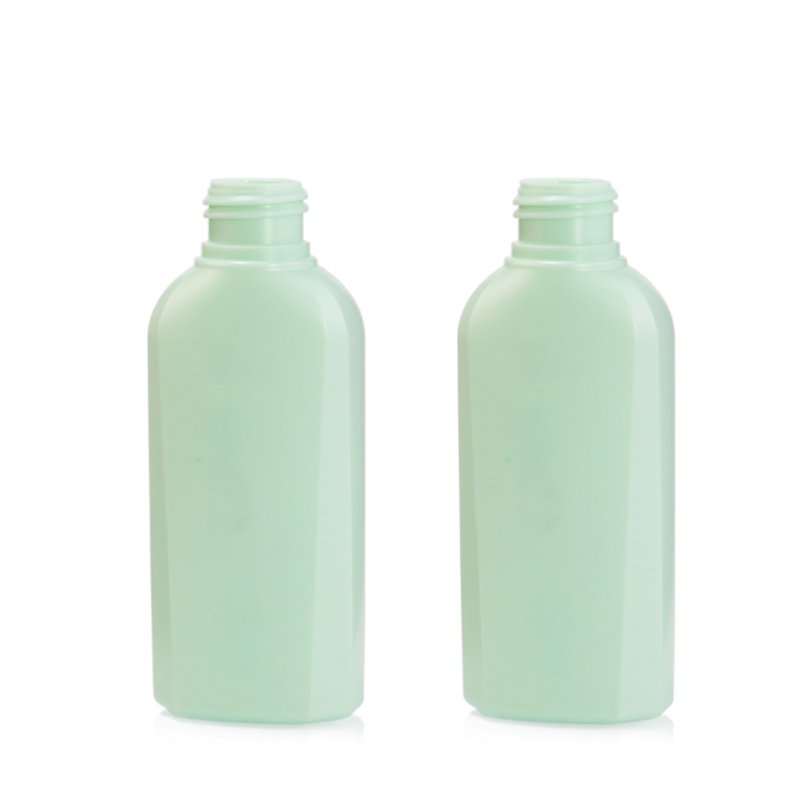
100ml HDPE Cosmetic Bottle
PE · 100 ml
100ml HDPE Cosmetic Bottle – Custom Logo
HDPE · 100 ml
100ml PE Cosmetic Bottle for Facial Cleanser & Lotion – 20mm Neck, 18g
PE · 100 ml
100ml PE Soft Touch Cosmetic Bottle – 24mm Neck
PE · 100 ml