
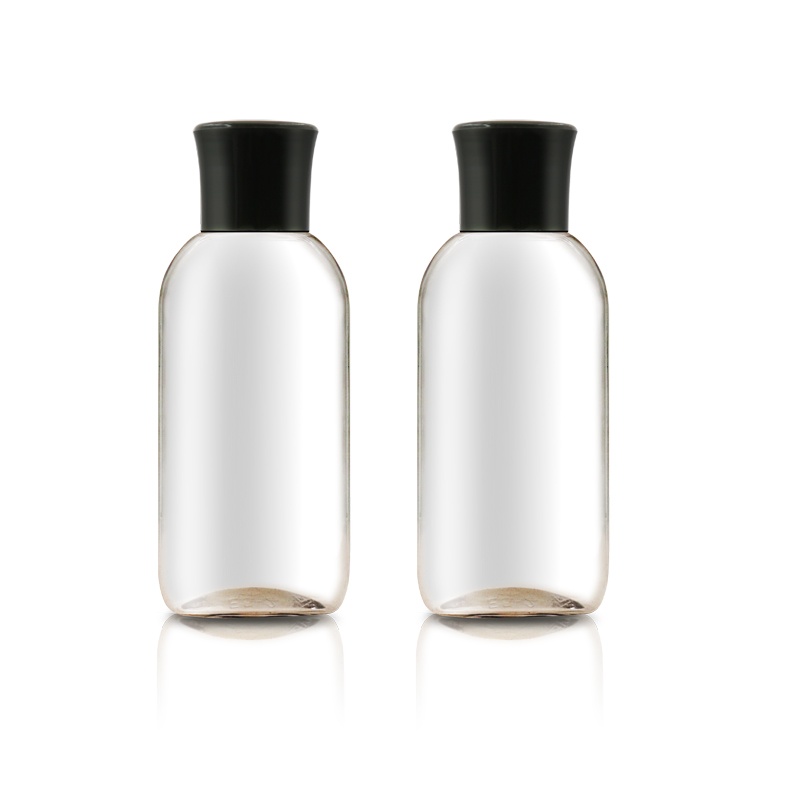
Keep the approved first article and masterbatch code on file and reference them on every reorder.
Why colour drifts between production runs
Bottle colour comes from a masterbatch — concentrated pigment pellets blended into the base resin at a set ratio. Colour can drift when the masterbatch lot changes, the dosing ratio shifts, or the base resin’s natural tint varies. Even a 1–2% dosing error is visible on a shelf next to a previous batch.
The fix is process discipline: keep the approved first article (a signed-off sample) and the masterbatch code and ratio on file, and reference both on every reorder so the factory reproduces the same recipe.
A consistent-colour checklist
- Keep a physical first-article sample and its measured colour value (L*a*b* or Pantone) on file.
- Record the masterbatch supplier, code and dosing ratio, not just “pink.”
- Order enough masterbatch for the full program so you don’t switch lots mid-run.
- Ask for a pre-production sample before every bulk run and approve it in writing.
- Accept a documented tolerance (e.g. ΔE ≤ 1.0) rather than demanding a perfect visual match.
With these controls in place, a ISO 9001:2015 supplier can hold colour within a tight, measurable window across years of re-orders.
Quick answer
Keep the approved first article and masterbatch code on file and reference them on every reorder.
Related: cosmetic bottles.
Compliance note: Shijin is ISO 9001:2015 certified and supplies the compliance documents your market requires — including FDA and EU 10/2011 certificates on request — so your order clears customs and retailer audits.
Questions buyers ask us most
How do I keep bottle color consistent across re-orders?
Keep the approved first article and masterbatch code on file and reference them on every reorder.
What is a masterbatch?
Masterbatch is a concentrated pellet of pigment (and sometimes additives) that is blended into virgin resin at a set ratio to colour the bottle — using it keeps colour far more consistent than adding raw pigment by hand.
How much colour variation is acceptable?
A ΔE (delta E) of about 1.0 or less is imperceptible to most eyes; specify that tolerance in writing so both sides agree on what ‘matches’ means.
Not sure which bottle, material or neck finish is right? Send your spec and we will point you to the closest stock shape or quote a custom mold.