
If your process fills above room temperature — a common step for some sauces, certain cleansers and preservative-light formulas — the bottle material has to survive the heat without warping or leaching.
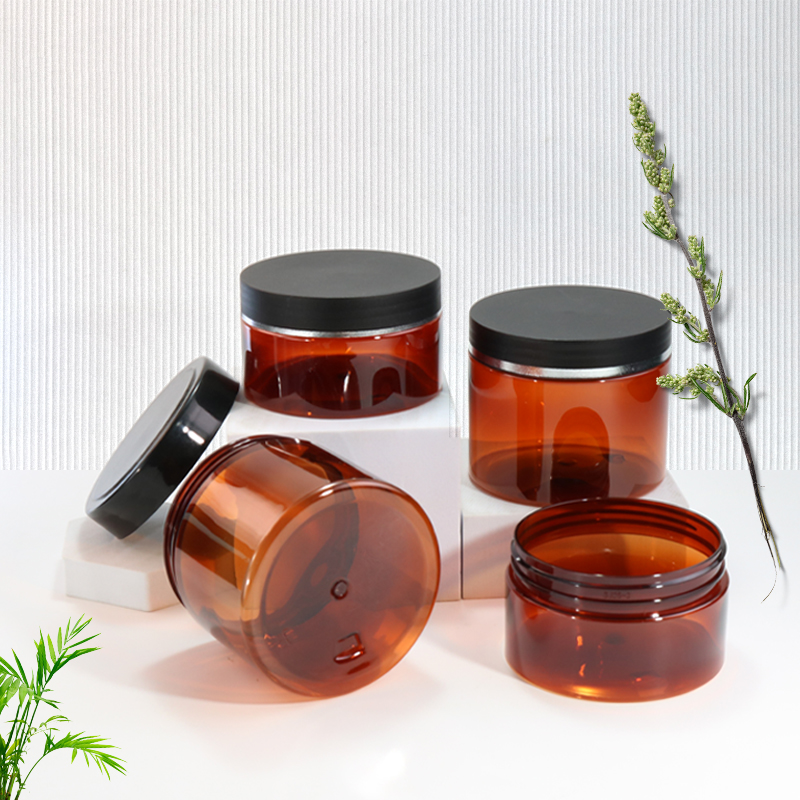
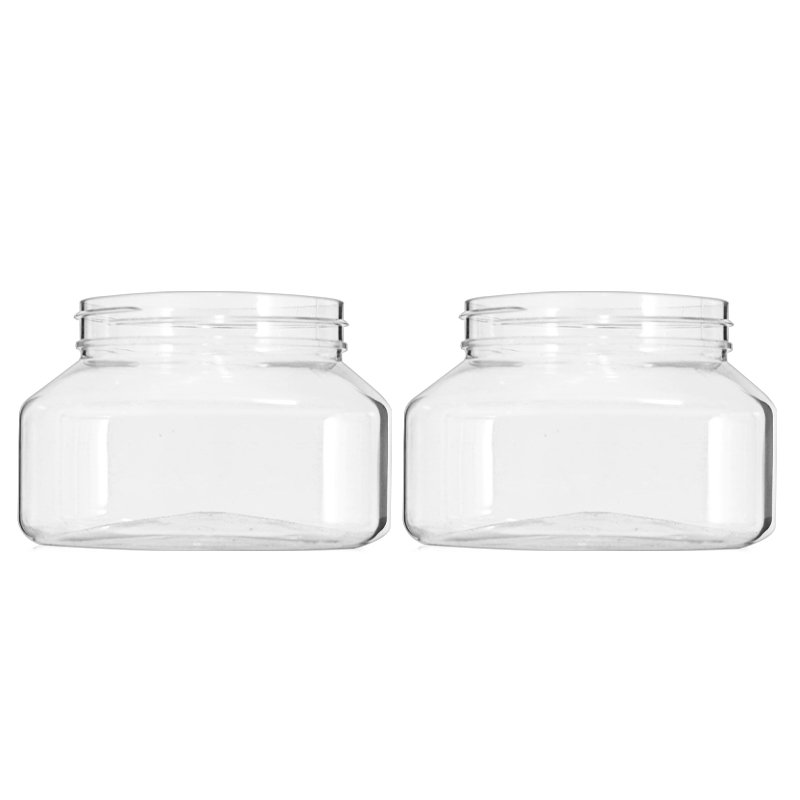
Bottles from our catalogue — PET bottles evaluated for hot-fill and cold-fill.


What hot-fill means
Hot-fill packs product at 65–85°C (or higher) to reduce microbes, then cools and vacuum-seals. The bottle must hold shape through that thermal cycle.
Which plastic tolerates heat
PP tolerates the highest temperatures of the common bottle plastics and is often the choice for hot-fill closures and squeeze formats. PET and HDPE have lower heat-deflection points, so confirm the exact fill temperature before specifying them.
Design for the cycle
Hot-fill bottles often use heavier walls or specific grades to resist panelling as they cool. We advise on material grade and wall thickness once we know your fill temperature.
| Resin | Max fill temp | Use |
|---|---|---|
| PP | High (85°C+) | Hot-fill, hinges |
| PET | Low (<60°C) | Cold-fill only |
| HDPE | Low-Mod | Warm-cautious |
Related: cleaning bottles.
Compliance note: Food-contact bottles must clear migration limits. Shijin food-grade PET and HDPE comply with EU 10/2011 and US FDA 21 CFR requirements, with material certificates and migration-test summaries available on request.
Reading the fill temperature, not guessing it
Hot-fill resistance is not a single number — it depends on the fill temperature, the hold time and the bottle geometry. A bottle that survives an 85 °C fill for five seconds can panel at the same temperature held for thirty. Before choosing a resin, measure your actual fill temperature at the nozzle and the dwell time before capping.
The material rule is simple: PP tolerates the highest temperatures of the common bottle plastics, PET and HDPE sit lower, and both soften and warp above their heat-deflection point. If your process runs above roughly 60 °C, confirm the resin is heat-rated rather than assuming a standard bottle will hold.
Designing for the thermal cycle
Hot-fill bottles often use heavier walls or a heat-set preform to resist the panelling that happens as hot product cools and contracts. The vacuum created on cooling pulls the walls inward, which is why hot-fill formats are engineered for that specific stress rather than just made thicker.
Give your supplier the fill temperature, the fill method (hot-fill, warm-fill or pasteurisation) and the closure type, and they can specify the right material grade and wall thickness. Getting this wrong shows up as a bottle that looks dented on the shelf — a defect customers read as damage.
What good execution looks like
A solid process starts with the tool and ends with a measured, repeatable part. We cut the mold in-house, validate the first article against the drawing, and hold wall and weight within a tolerance band so every bottle off the line seats its closure the same way.
Decoration is where most programmes slip — silk-screen and hot-stamp need a clean, flat landing zone and a cure check, or the print rubs off in transit. We run that check before bulk printing.
The point of the discipline is consistency: a buyer should be able to reorder six months later and receive a bottle that matches the first one part-for-part.
Red flags to avoid
Watch for suppliers who quote a closure size they cannot actually seat, who skip the first-article sign-off, or who cannot show the resin certificate for the market you ship to. Each of those turns into a line-down event once the order is in production.
How we support your first run
Because the tool is in-house, sampling lead time is typically 3–10 days from drawing to first article. We hold the sample against the drawing, confirm wall and weight, then scale.
For a custom programme that sequence means you validate before you commit — and because the same mold and resin are used on every repeat, later orders match the approved first article.
The takeaway for buyers
Treat the first-article sample as the contract. If it seats, seals and survives the drop test, hold every later order to it, and the programme stays consistent without re-engineering.
That single discipline removes most of the risk buyers associate with offshore tooling.
Frequently Asked Questions
Can I put hot liquid in a plastic bottle?
Only heat-rated resins like PP; PET/HDPE can warp above their limit.
What temperature can PET handle?
Well below boiling; for hot-fill above ~60°C use PP or a rated grade.
What is the maximum fill temperature for PET?
Standard PET softens well below boiling, so it is only safe for cold or mildly warm fill. For hot-fill above roughly 60 °C, use PP or a heat-set PET grade.
Why do hot-fill bottles panel?
The vacuum created as hot product cools pulls the walls inward. Heat-set preforms and heavier walls resist that panelling, which is why hot-fill bottles are engineered for the cycle.
Explore our full bottle catalog or contact our team for custom tooling and low-MOQ production runs.