
Last updated: 5 September 2026.
Quick answer: A sample approval is not an aesthetic decision — it is your acceptance of the mold, the material and the process that will run your entire volume. Check the nine things that predict mass-production behaviour: neck and closure fit, wall thickness and weight, colour against a standard, decoration adhesion, seams and parting lines, base and top-load, leak with your intended closure, compatibility with your formula, and the paperwork that ties the sample to a signed specification. What the sample looks like is the least predictive thing about it.
Where this fits: This is the pre-approval check — what to verify on a sample before you sign it off. There is a separate, later inspection before bulk shipment (AQL sampling, pre-shipment and third-party checks): Bottle Quality Control Before Bulk Production. Two stages, two checklists — do not use one for the other.
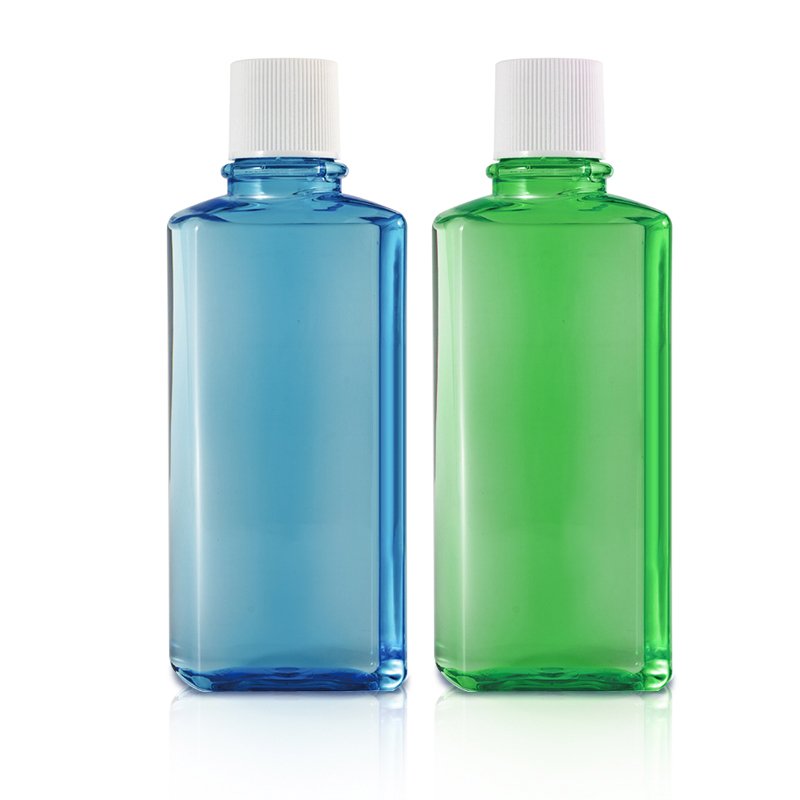
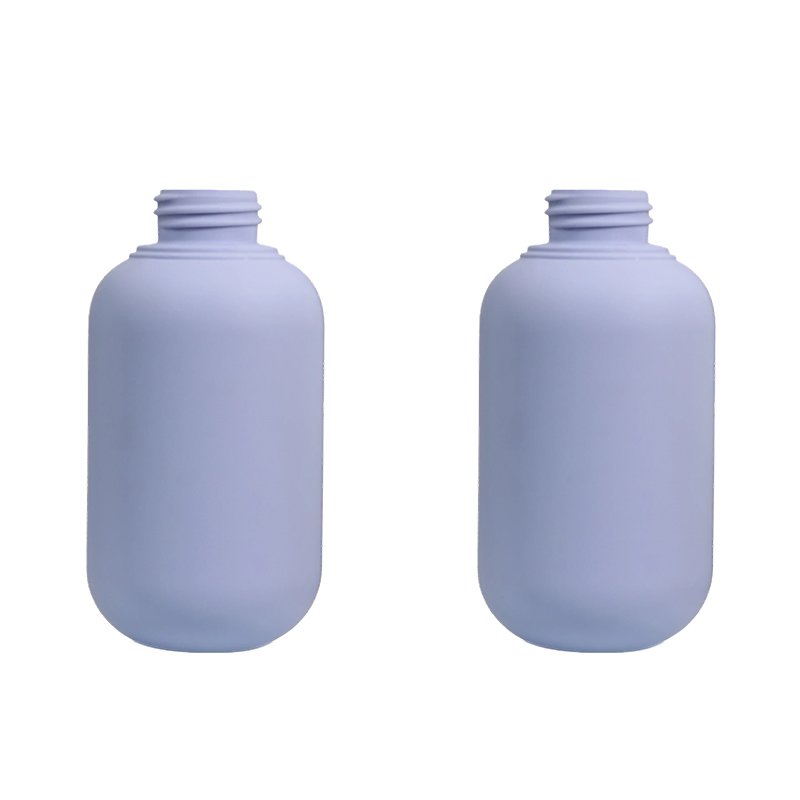
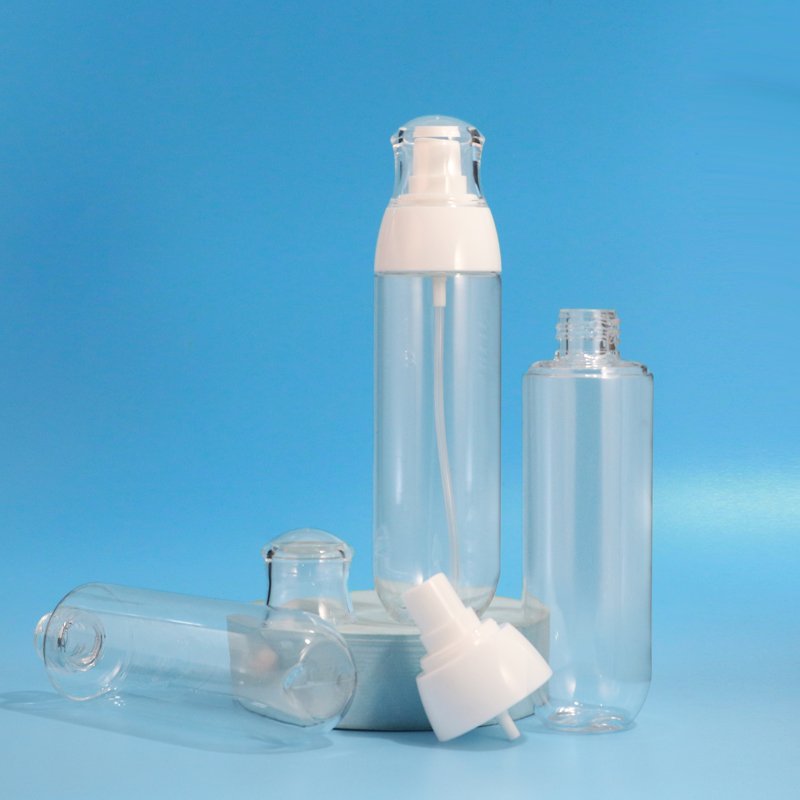
What you are actually approving
When you sign off a sample, you are approving three things at once:
- The mold — its dimensions become your dimensions for the life of the tool.
- The material specification — resin, weight, and any colour standard.
- The process capability — can this factory hold all of the above across thousands of units, not just one polished sample?
A buyer who checks appearance only has approved none of the three. Here is the checklist that covers them — it takes one afternoon with a kitchen scale, a ruler, your closure, and a bottle of your product.
The nine checks
1. Neck finish and closure fit — by hand, on every sample.
Thread your actual pump, cap or sprayer onto every sample bottle. It should torque smoothly, seat without wobble, and align to the intended position (straw, print panel). The neck finish is where bottles and closures meet — our guide to matching caps to closures explains the tolerance stack. A fit that is “almost right” on a sample will be intermittently wrong across a production batch.
2. Weight against the quoted grammage.
Put the empty bottle on a scale. It should match the quoted weight within a tight tolerance. A sample lighter than quoted means either the quote was optimistic or the sample line skipped material — both predict unit-cost or quality surprises later.
3. Wall thickness — visually and by feel.
Look through the bottle against light: even walls, no thin windows at corners and shoulders, no sink marks. Squeeze gently: the wall should respond evenly. Thin corners are where cracks and leaks start.
4. Colour against a physical standard.
Judge colour against a physical standard under daylight and under warm indoor light — not against your phone screen. If this is a custom colour, this check is where the signed colour standard gets agreed, so every future batch has something to be measured against.
5. Decoration adhesion — the fingernail and tape test.
Once printed or coated: scratch firmly with a fingernail, then apply and peel ordinary adhesive tape. Ink should not lift, flake or ghost. This approximates the adhesion logic of cross-hatch tape testing and catches the decoration failures that show up as scuffed stock in your warehouse rather than at the factory.
6. Seams, parting lines and finish quality.
Run a finger along the mold seams — top to bottom, and around the base. Flash (excess material) should be trimmed clean; a sharp seam edge will be noticeable in hand and problematic on filling equipment.
7. Base and top-load behaviour.
Stand it, press it, drop an empty one from counter height onto a hard floor. Plastic bottles are engineered for a top-load and drop envelope; the sample should feel like it sits comfortably inside one rather than at its limit. Serious factories test this systematically — ours publishes the QC behind every bottle.
8. Leak test with your product, your closure, your conditions.
Fill a sample with your actual product, close it with your actual closure, store it upside-down and on its side for several days at room temperature — and, if your product ships, through a temperature cycle. Compatibility failures (stress cracking, crazing, colour bleed, product absorption) are chemistry, and only your product can test your product. Our article on why bottles leak, crack or craze covers the four failure families.
9. The paperwork that pins the sample to a spec.
The approved sample is only useful if it is documented: dimensions, weight, resin, colour standard, closure reference. That document becomes the arbitration standard for production batches — and it feeds directly into the documents you should receive before a bulk order.
What a sample cannot tell you
Be honest about the limits: one sample cannot prove batch consistency, and a polished showroom sample may come from different conditions than your production run will. That is what retained samples and incoming inspection are for — the sample you approve should be kept, and the first articles of the production run should be compared against it, not against memory.
Frequently asked questions
How many samples should I request?
Enough to be destructive: at least three to five, so you can cut, squeeze, fill and drop without losing your only reference. Keep at least one untouched as the signed standard.
Should samples be free?
Many factories sample free for credible project inquiries — the sample cost is trivial next to winning the order. What you should genuinely pay for is custom colour or decoration set-up on samples, which carries real material and setup cost.
How long does sampling take?
With the mold in-house, 3–10 days is a normal target for existing shapes; see our breakdown of why in-house tooling speeds prototypes. Custom tooling adds the tooling schedule before sampling even starts.
The sample looks great but weighs less than quoted — is that serious?
Yes. Weight is price and performance at once. Either the quote or the sample is wrong, and you want that reconciled before production, not discovered in a carton audit after.
My product is fine in the sample after a week. Is that enough?
For most cosmetic and daily-chemical formulas, a week at room temperature catches the fast failures (sealing, gross incompatibility). It does not catch slow stress cracking or fragrance loss — extend the test for those, or run it at elevated temperature if the factory offers it.
Who pays if production doesn’t match the approved sample?
That depends entirely on your documentation. This is why check nine matters: the approved sample plus a written specification is what turns a disagreement into a straightforward comparison.
Shijin Packaging — factory-direct cosmetic and daily-chemical plastic bottles since 2003, operating 30+ automatic blow-molding lines and 10+ injection-molding machines across a 15,000 m² facility in Huizhou, Guangdong, with daily capacity of approximately 200,000 pieces.
- Website: https://shijinpackaging.com
- Full catalogue: https://shijinpackaging.com/catalog/
- Email: sales@shijinpackaging.com