

Not all ‘suppliers’ are equal. The person quoting your PET bottles could be the factory, a distributor holding stock, or a trading company stitching orders across several plants. Each is legitimate; each carries a different risk profile. This is how to vet them fast.

Identify the supplier type
Ask directly: do you own the molds and machines? A factory says yes and shows them; a distributor holds finished stock; a trader sources from plants they do not own. Knowing the type tells you where margin and risk live.
Compare on landed cost, not quote
A factory’s unit price looks low but you own freight and coordination. A distributor bundles stock and speed at a premium. A trader sits between. Score them on delivered price plus the management time each costs you.
Sample and first-article control
Require a paid sample filled with your formula and drop-tested. For ongoing supply, keep a first-article approval on file so re-orders match the approved bottle, not a drifting substitute.
Put quality clauses in the contract
Define acceptable defect rate, color tolerance and return terms. A supplier that accepts a written AQL clause is safer than one offering only a friendly verbal promise.
Verify export and compliance docs
Confirm they supply MSDS, packing list and market certificates (EU 10/2011, US FDA where relevant). A supplier who fumbles docs will bottleneck your customs, not just your production.
Related: cosmetic bottles.
Compliance note: Shijin is ISO 9001:2015 certified and supplies the compliance documents your market requires — including FDA and EU 10/2011 certificates on request — so your order clears customs and retailer audits.
Questions buyers ask us most
How do I tell if a bottle supplier is a factory?
Ask if they own the molds and machines; a factory shows them, a distributor shows stock, a trader shows neither but sources from plants.
What quality clauses should a bottle contract include?
An agreed defect-rate (AQL), color tolerance, return terms and a first-article approval kept on file for consistent re-orders.
Should I buy from a distributor or a factory?
Distributors for speed and small batches; factories for volume price and tooling control. Score both on landed cost plus your management time.
What good execution looks like
A solid process starts with the tool and ends with a measured, repeatable part. We cut the mold in-house, validate the first article against the drawing, and hold wall and weight within a tolerance band so every bottle off the line seats its closure the same way.
Decoration is where most programmes slip — silk-screen and hot-stamp need a clean, flat landing zone and a cure check, or the print rubs off in transit. We run that check before bulk printing.
The point of the discipline is consistency: a buyer should be able to reorder six months later and receive a bottle that matches the first one part-for-part.
Red flags to avoid
Watch for suppliers who quote a closure size they cannot actually seat, who skip the first-article sign-off, or who cannot show the resin certificate for the market you ship to. Each of those turns into a line-down event once the order is in production.
How we support your first run
Because the tool is in-house, sampling lead time is typically 3–10 days from drawing to first article. We hold the sample against the drawing, confirm wall and weight, then scale.
For a custom programme that sequence means you validate before you commit — and because the same mold and resin are used on every repeat, later orders match the approved first article.
The takeaway for buyers
Treat the first-article sample as the contract. If it seats, seals and survives the drop test, hold every later order to it, and the programme stays consistent without re-engineering.
That single discipline removes most of the risk buyers associate with offshore tooling.
Need bottles that actually fit your formula? Browse the catalog or send us your spec — we will tell you what works and what to watch out for.
Related Cosmetic Bottles
100ml HDPE Cosmetic Bottle
PE · 100 ml
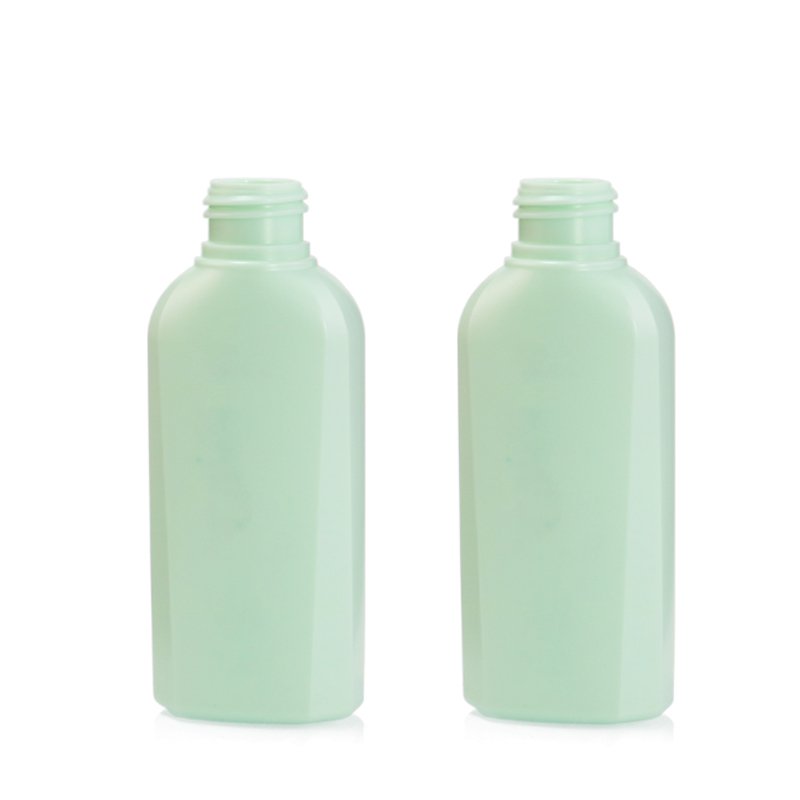
100ml HDPE Cosmetic Bottle – Custom Logo
HDPE · 100 ml
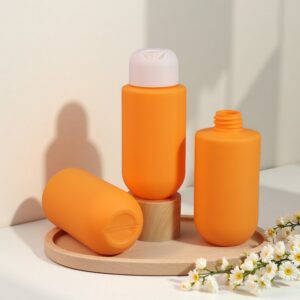
100ml PE Cosmetic Bottle for Facial Cleanser & Lotion – 20mm Neck, 18g
PE · 100 ml
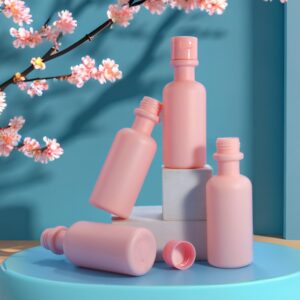
100ml PE Soft Touch Cosmetic Bottle – 24mm Neck
PE · 100 ml