
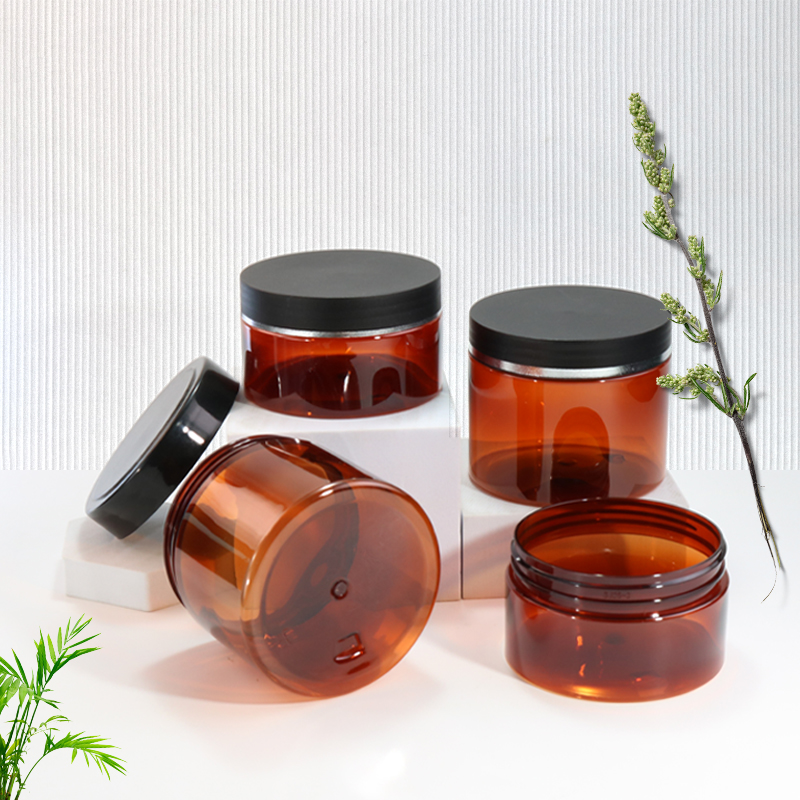
PET is widely accepted in curbside recycling, which is why it is a safe default for cosmetic bottles. The catch is in the parts you add on top.
Bottles from our catalogue — PET bottles and their recycling stream.
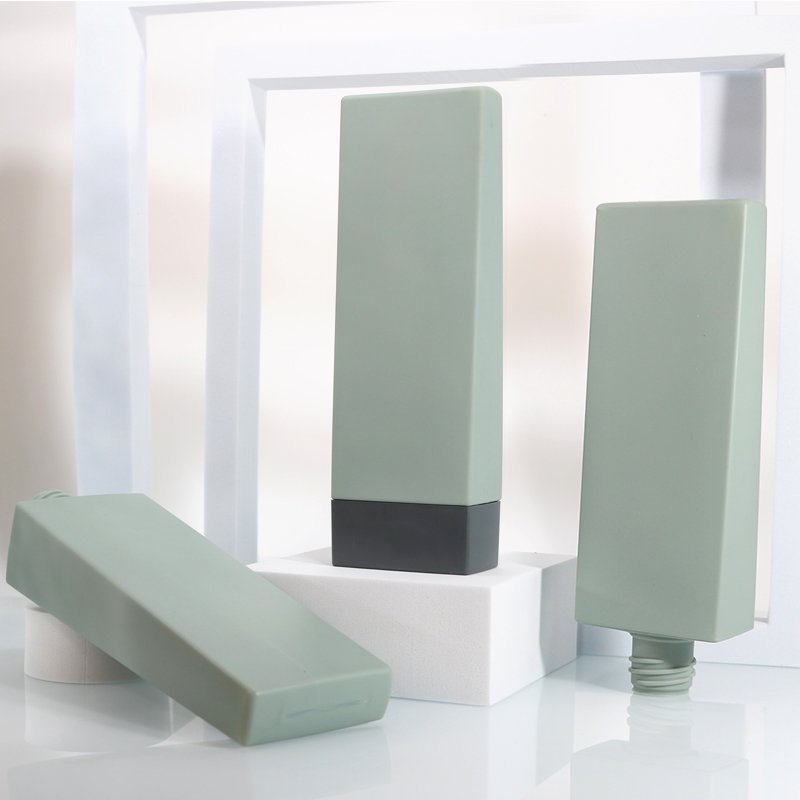
The bottle body recycles; the closure often does not
A clear PET bottle is highly recyclable. But mist pumps, metallised caps and mixed-material actuators are frequently rejected at sorting facilities. Designing for recyclability means matching the closure to the stream.
Colour and label matter
Clear and light-blue PET fetch the best reclamation value. Dark or heavily pigmented PET is harder to reprocess. Self-adhesive labels should be easily removable, or use a wash-off adhesive.
Mono-material is the cleaner goal
A bottle, pump and cap in compatible recyclable resins (mono-material) is the direction EU PPWR is pushing. We advise on mono-material builds for export programs.
| Component | Usually recyclable? | Note |
|---|---|---|
| Clear PET body | Yes | Best reclamation value |
| Coloured PET | Harder | Dark pigment lowers value |
| Mist pump | Often no | Mixed metal/plastic |
| Wash-off label | Yes | Helps stream |
Related: cosmetic bottles.
Compliance note: Recycled-content claims must be verifiable, not assumed. Shijin supplies recycled-content PCR grades, and our sustainability wording follows the FTC Green Guides so your claims stay defensible in every market.
The body recycles; the add-ons usually don’t
Clear PET is one of the most recyclable plastics in the world — the problem is what you attach to it. Mist pumps, metallised caps and mixed-material actuators are frequently rejected at sorting facilities, which means a “recyclable” bottle can fail in practice because of its closure. Designing for recyclability means matching the closure to the stream, not just choosing PET for the body.
Colour matters too: clear and light-blue PET fetch the best reclamation value, while dark or heavily pigmented PET is harder to reprocess and worth less downstream.
Making the whole pack reclaim-friendly
- Use a wash-off label so the label releases in the wash stage and the PET stays clean.
- Choose a PP cap that recyclers can remove before grinding.
- Avoid heavy pigment; if colour is essential, lighter tints place better than opaque or black.
- Aim for a mono-material build — the direction the EU PPWR is pushing.
The honest answer to “is PET recyclable?” is yes — but only as recyclable as the closure and label you put on it.
What cosmetic formulas demand from the bottle
For cosmetic fills the bottle is part of the compliance and performance chain, not just a container. The body has to hold the formula without stress cracking or leaching, survive the filling line, and stay readable after months on a shelf or in a warehouse.
Across our 30+ blow-molding lines we see the same non-negotiables: a neck that seats the closure squarely, wall thickness tuned to the fill weight, and colour and decoration that survive transport and UV. A bottle that passes the bench test but fails the warehouse is not a pass.
If the formula is viscous, acidic or solvent-based, tell us at the enquiry stage. The resin choice and the lining of the closure both shift, and selecting them early is far cheaper than re-tooling after a failed stability test.
Capacities we stock for cosmetic
| Model | Material | Capacity | Neck |
|---|---|---|---|
| SJT0199 | PET | 199 ml | 20 mm |
| Custom 350ml HDPE Cosmetic Bottle | HDPE | 350 ml | 28/410 |
| SJE-1753 | PE | 500 ml | 32 mm |
| 100ml PET Spray Bottle for Facial | PET | 100 ml | 20 mm |
These are stock shapes from our catalogue — the same tools a buyer samples first before committing to a custom mold. Capacities run from small trial sizes to bulk drums, so most cosmetic programmes can start from an existing mold and skip tooling lead time.
Sampling from a stock mold also de-risks the launch: you get a real, fill-tested bottle in days, validate it on your line, then scale or customise once the volume is proven.
Compliance and documentation
Every food-contact and pharma-adjacent bottle we make is produced under ISO 9001 controls, with FDA, SGS and EU 10/2011 food-contact documentation available on request. For export we supply the material certificate and, where required, UN-marked HDPE options for chemical transport.
If your market needs a specific claim (BPA-free, documented recycled content, tamper-evident), tell us at the sampling stage so we select the right resin and closure before the first run.
Sampling and first-run support
Because the tool is cut in-house, sampling lead time is typically 3–10 days from drawing to first article. We hold the first-article sample against the drawing, confirm wall and weight, and only then move to bulk.
For a new programme that means you can prove the bottle on your filling line before committing to a large order — and repeats stay consistent because the same mold and resin are used on every run.
Frequently Asked Questions
Should I use a wash-off label?
Yes for recyclability — it releases in the wash stage so the PET stays clean.
Is mono-material worth it?
For EU export, a bottle + closure in one resin family is the direction PPWR pushes and eases reclaim.
Is a PET cosmetic bottle recyclable?
The clear PET body is highly recyclable, but a mixed-metal pump or metallised cap can get the whole pack rejected. Match the closure and use a wash-off label to keep it recyclable.
Should I use a wash-off label?
Yes for recyclability — it releases in the wash stage so the PET stream stays clean and the flake value stays high.
Explore our full bottle catalog or contact our team for custom tooling and low-MOQ production runs.
Related PET Bottles
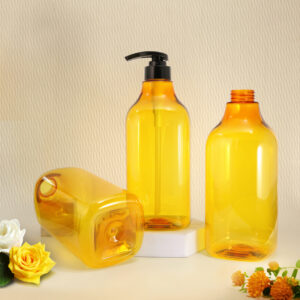
1000ml PET Bath Bottle
PET · 1000 ml
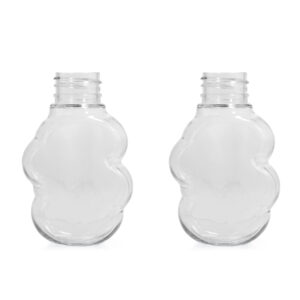
100ml PET Cosmetic Bottle with Dropper & Mist Sprayer (28/410 Neck)
PET · 100 ml
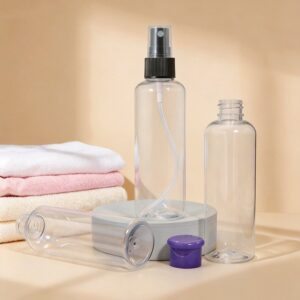
100ml PET Cosmetic Bottle with Lotion Pump & Disc-Top (24/410 Neck)
PET · 100 ml

100ml PET Cosmetic Bottle with Roll-on Applicator (24/410 Neck)
PET · 100 ml