
Pharma and medical packaging is where compliance stops being optional. Whether it is a vitamin tablet bottle or an oral-solution dropper, the container must be documented, consistent and compatible with the drug. This hub links Shenzhen Shijin’s guidance for healthcare procurement teams.
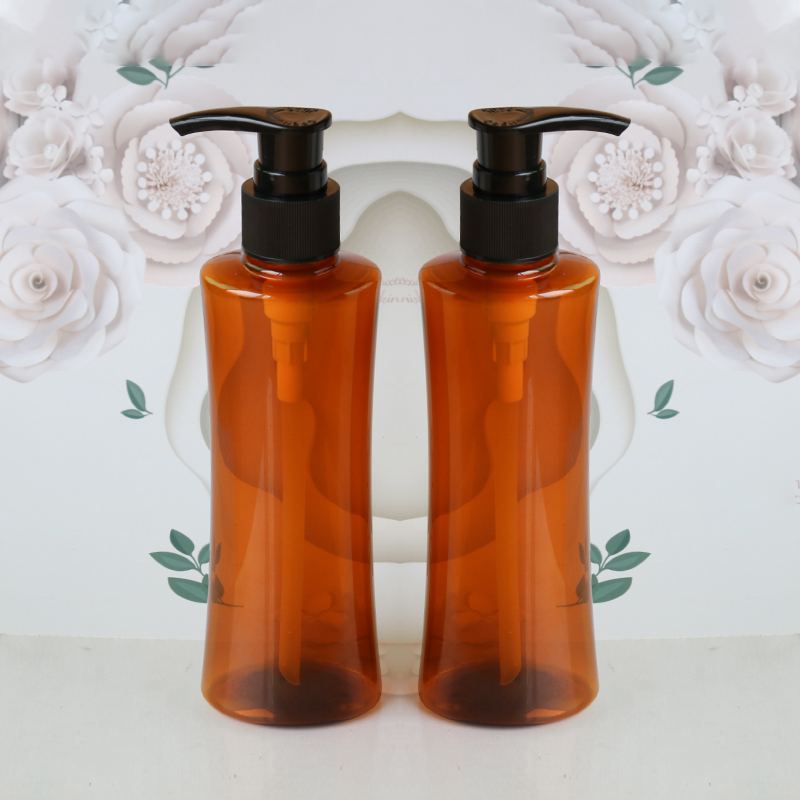
Bottles from our catalogue — bottle formats for pharmaceutical and medical use.
Materials for pharma
HDPE is the workhorse for pills and tablets (moisture resistant, squeezable, CRC-friendly). PET is used where clarity matters, such as dropper and oral-dose bottles. Both run on documented, controlled lines.
Compare the base resins in our PET vs HDPE vs PP vs PETG: choosing the right bottle material guide.
Child-resistant and tamper-evident closures
Regulated medicines typically need a child-resistant cap plus tamper-evident seal. Our Child-resistant & tamper-evident closures: compliance basics guide explains the compliance basics and what to confirm per market.
Clean, consistent, documented
Pharma buyers should expect batch consistency, cleanroom-compatible handling where relevant, and a documentation trail. The GMP & Cleanroom Expectations for Pharma Packaging article details the expectations.
Browse the pharma cluster
Pill & tablet bottles, medical droppers, amber light-protective bottles and GMP guidance — linked from this hub.
Compliance note: Chemical, medical and industrial fills need proven packaging. Shijin is ISO 9001:2015 certified and bottles are tested to ISTA transit standards for leak, drop and stack performance, with material and certification documents supplied on request.
Pharma packaging is a quality system, not a purchase
In healthcare, the container is treated as a component of the drug product, which means it inherits the product’s quality obligations. That is why pharma buyers ask for a documentation trail — material certificate, declaration of compliance, migration data and auditable production records — rather than a simple quotation. A bottle that looks identical but lacks that trail cannot be used for a regulated medicine.
Consistency matters more than a single perfect sample: the resin lot, tooling and decoration must stay stable batch after batch so the drug’s stability data and registration remain valid.
HDPE for pills, PET for clarity, CRC for safety
| Use | Resin | Closure |
|---|---|---|
| Pills / tablets | HDPE | CRC screw cap + desiccant |
| Oral drops / solutions | PET | Calibrated dropper, CRC option |
| Light-sensitive actives | Amber PET | CRC + light-blocking tint |
Regulated medicines typically need a child-resistant cap plus a tamper-evident seal. Confirm the exact requirement per market, because CRC and tamper-evidence are two separate requirements that are often bundled.
Related reading
- Pill & Tablet Bottles: HDPE vs PET, Desiccant and CRC
- Medical Dropper Bottles: Dosing, Clarity and Closure
- Amber Bottles for Light-Sensitive Medicines & Supplements
- GMP & Cleanroom Expectations for Pharma Packaging
What pharma formulas demand from the bottle
For pharma fills the bottle is part of the compliance and performance chain, not just a container. The body has to hold the formula without stress cracking or leaching, survive the filling line, and stay readable after months on a shelf or in a warehouse.
Across our 30+ blow-molding lines we see the same non-negotiables: a neck that seats the closure squarely, wall thickness tuned to the fill weight, and colour and decoration that survive transport and UV. A bottle that passes the bench test but fails the warehouse is not a pass.
If the formula is viscous, acidic or solvent-based, tell us at the enquiry stage. The resin choice and the lining of the closure both shift, and selecting them early is far cheaper than re-tooling after a failed stability test.
Capacities we stock for pharma
| Model | Material | Capacity | Neck |
|---|---|---|---|
| SJT0177 | PET | 177 ml | 28 mm |
| 360ml HDPE Cosmetic Bottle | HDPE | 360 ml | 28 mm |
| 550ml PE Round Bottle for Lotion & | PE | 550 ml | 28 mm |
| SJT0069 | PET | 69 ml | 32 mm |
These are stock shapes from our catalogue — the same tools a buyer samples first before committing to a custom mold. Capacities run from small trial sizes to bulk drums, so most pharma programmes can start from an existing mold and skip tooling lead time.
Sampling from a stock mold also de-risks the launch: you get a real, fill-tested bottle in days, validate it on your line, then scale or customise once the volume is proven.
Compliance and documentation
Every food-contact and pharma-adjacent bottle we make is produced under ISO 9001 controls, with FDA, SGS and EU 10/2011 food-contact documentation available on request. For export we supply the material certificate and, where required, UN-marked HDPE options for chemical transport.
If your market needs a specific claim (BPA-free, documented recycled content, tamper-evident), tell us at the sampling stage so we select the right resin and closure before the first run.
Sampling and first-run support
Because the tool is cut in-house, sampling lead time is typically 3–10 days from drawing to first article. We hold the first-article sample against the drawing, confirm wall and weight, and only then move to bulk.
For a new programme that means you can prove the bottle on your filling line before committing to a large order — and repeats stay consistent because the same mold and resin are used on every run.
Frequently Asked Questions
What plastic is used for pill bottles?
HDPE is the standard for pill and tablet bottles; PET is used when clarity is needed.
Do you make child-resistant pharma caps?
Yes — CRC caps with tamper-evident seals are available; confirm the market requirement with our Child-resistant & tamper-evident closures: compliance basics guidance.
Can bottles be supplied GMP-documented?
We provide material certificates and production documentation; discuss GMP-scope needs with our team.
Are amber bottles available for light-sensitive drugs?
Yes — see our Amber Bottles for Light-Sensitive Medicines guide.
What plastic is used for pill bottles?
HDPE is the standard for pills and tablets because it resists moisture; PET is used where clarity matters, such as dropper and oral-dose bottles.
Do pharmaceutical bottles need documentation?
Yes — a material certificate, declaration of compliance, migration data and production records are the minimum a regulated pharma buyer should collect before first fill.