
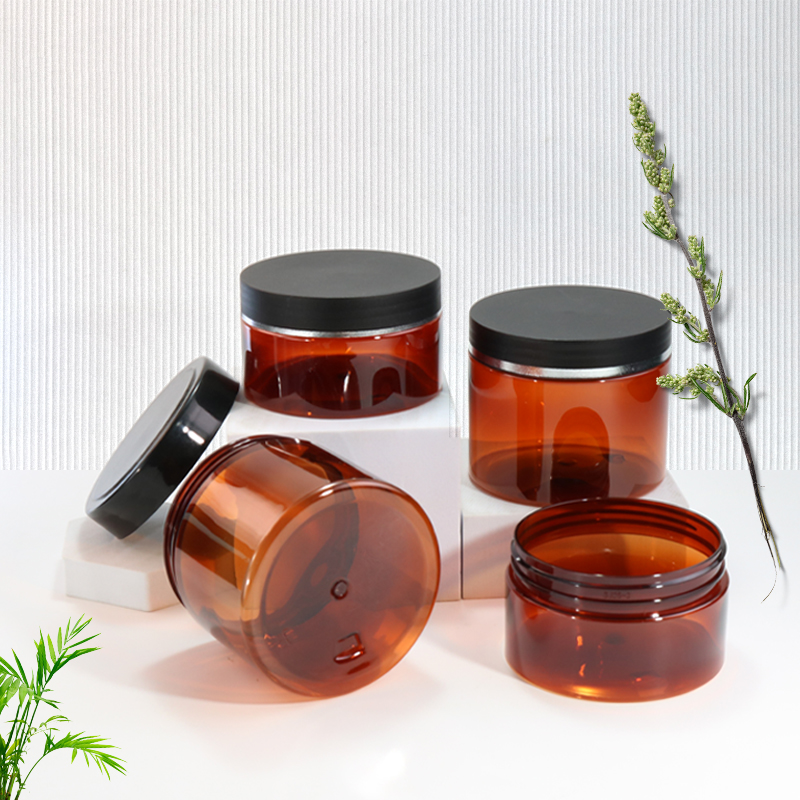
Still juice and ready-to-drink beverages are a natural fit for PET: clear, light and shatter-resistant. The pitfalls are oxygen pickup (taste loss) and, for any fizz, pressure the bottle was not designed for. This guide keeps your spec safe.
Bottles from our catalogue — PET bottles for juice and still beverages.
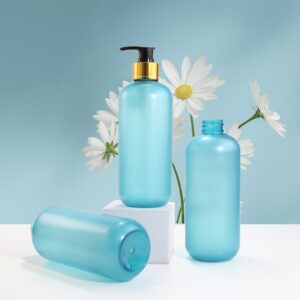
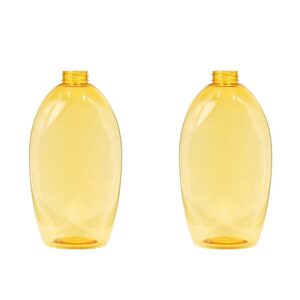
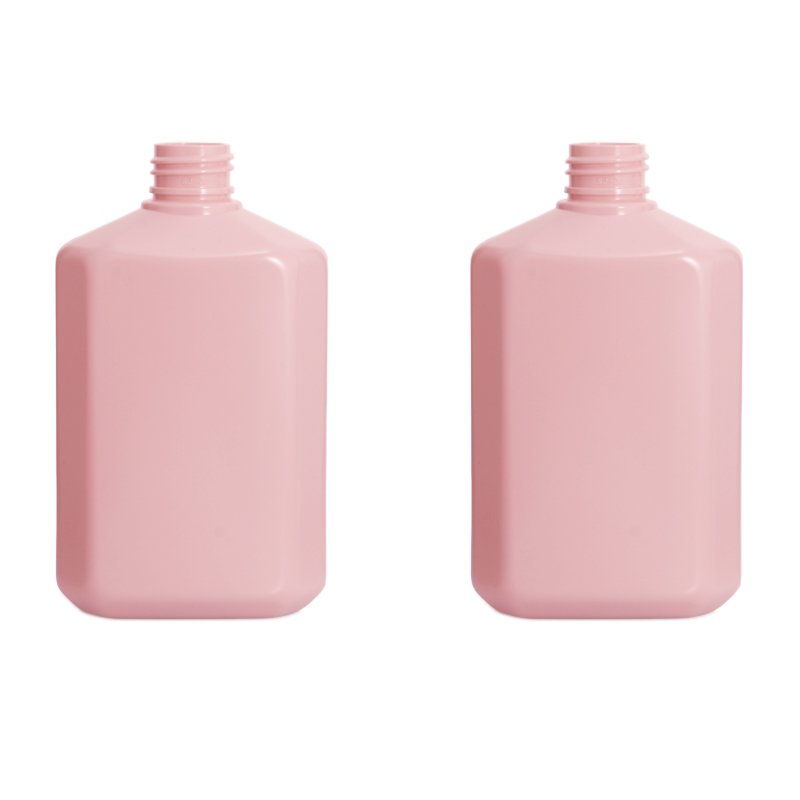
Clarity and barrier
Clear PET shows the product and is the default for juice. For sensitive flavours, ask about a higher-barrier preform or a shorter shelf-life target, since standard PET lets in a little oxygen over months.
Carbonation: a hard limit
Standard PET beverage bottles are for still drinks. Any carbonation needs a pressure-rated PET bottle and a specialised closure; do not reuse a still-drink bottle for sparkling product. Tell us if there is any CO2.
Necks and caps
28/410 and 38 mm are common; 38 mm suits wider mouths and scoopable or pulpy juice. Bottle neck finishes explained: 18/20/24/28 mm lists the finishes we tool.
Compliance
All beverage PET runs on the food-grade line — see the Food-Grade Plastic Bottle Compliance checklist before ordering.
Compliance note: Food-contact bottles must clear migration limits. Shijin food-grade PET and HDPE comply with EU 10/2011 and US FDA 21 CFR requirements, with material certificates and migration-test summaries available on request.
Clarity sells, but oxygen is the real risk
Still juice and ready-to-drink beverages are a natural fit for PET: clear, light and shatter-resistant. The pitfall is oxygen pickup, which slowly dulls flavour and colour over months. Standard PET lets in a little oxygen, so for sensitive flavours ask about a higher-barrier preform or set a shorter shelf-life target rather than assuming PET alone will hold the taste.
The other hard limit is carbonation. A standard still-drink PET bottle is not rated for pressure — any fizz needs a pressure-rated bottle and a specialised closure. Never reuse a still-drink bottle for a sparkling product.
Necks, caps and compliance for beverages
- 28/410 and 38 mm necks are common; 38 mm suits wider mouths and pulpy juice.
- Match the closure to the carbonation level — flat caps for still, pressure closures for sparkling.
- Specify a tamper-evident band, expected on retail beverage in most markets.
- Run every beverage PET on the food-grade line with the migration paperwork in place.
Confirm the CO2 level and the target shelf life in the brief, and the preform, closure and barrier are all matched to those two numbers.
Related reading
- Food & Beverage Plastic Bottles: FDA & EU 10/2011 Compliant Packaging
- PET Bottles for Edible Oil & Sauce: Clarity, Barrier and Fill Temperature
- Food-Grade Plastic Bottle Compliance: FDA, EU 10/2011 & What Buyers Must Verify
- bottle-neck-finishes-explained-18-20-24-28-mm
What beverage formulas demand from the bottle
For beverage fills the bottle is part of the compliance and performance chain, not just a container. The body has to hold the formula without stress cracking or leaching, survive the filling line, and stay readable after months on a shelf or in a warehouse.
Across our 30+ blow-molding lines we see the same non-negotiables: a neck that seats the closure squarely, wall thickness tuned to the fill weight, and colour and decoration that survive transport and UV. A bottle that passes the bench test but fails the warehouse is not a pass.
If the formula is viscous, acidic or solvent-based, tell us at the enquiry stage. The resin choice and the lining of the closure both shift, and selecting them early is far cheaper than re-tooling after a failed stability test.
Capacities we stock for beverage
| Model | Material | Capacity | Neck |
|---|---|---|---|
| SJT0139 | PET | 139 ml | Custom |
| Custom 350ml HDPE Cosmetic Bottle | HDPE | 350 ml | 28/410 |
| SJE1686 | PE | 500 ml | 24 mm |
| SJT0117 | PET | 117 ml | 32 mm |
These are stock shapes from our catalogue — the same tools a buyer samples first before committing to a custom mold. Capacities run from small trial sizes to bulk drums, so most beverage programmes can start from an existing mold and skip tooling lead time.
Sampling from a stock mold also de-risks the launch: you get a real, fill-tested bottle in days, validate it on your line, then scale or customise once the volume is proven.
Compliance and documentation
Every food-contact and pharma-adjacent bottle we make is produced under ISO 9001 controls, with FDA, SGS and EU 10/2011 food-contact documentation available on request. For export we supply the material certificate and, where required, UN-marked HDPE options for chemical transport.
If your market needs a specific claim (BPA-free, documented recycled content, tamper-evident), tell us at the sampling stage so we select the right resin and closure before the first run.
Sampling and first-run support
Because the tool is cut in-house, sampling lead time is typically 3–10 days from drawing to first article. We hold the first-article sample against the drawing, confirm wall and weight, and only then move to bulk.
For a new programme that means you can prove the bottle on your filling line before committing to a large order — and repeats stay consistent because the same mold and resin are used on every run.
Frequently Asked Questions
Can PET bottles hold carbonated juice?
Only pressure-rated PET with a matching closure. Standard still-drink PET must not be used for sparkling product.
How long does juice stay fresh in PET?
It depends on the preform barrier and fill process; for sensitive flavours plan a shorter shelf life and confirm with us.
What neck is best for pulpy juice?
A 38 mm wide mouth handles pulp and scooping better than 28 mm.
Are your beverage bottles food grade?
Yes — beverage PET is produced on the separated food-grade line with FDA/EU 10/2011 documentation.
Can I use a still-water PET bottle for juice?
Yes if it is food-grade and the shelf life suits the juice, but check the oxygen barrier — sensitive juice flavours may need a higher-barrier preform.
Do I need a special bottle for sparkling drinks?
Yes — carbonation needs a pressure-rated PET bottle and a specialised closure. A standard still-drink bottle is not designed for that pressure.
Related PET Bottles
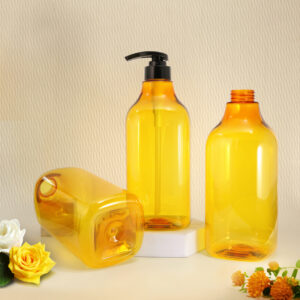
1000ml PET Bath Bottle
PET · 1000 ml
100ml PET Cosmetic Bottle with Dropper & Mist Sprayer (28/410 Neck)
PET · 100 ml
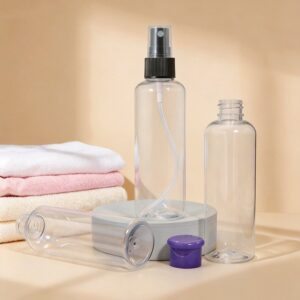
100ml PET Cosmetic Bottle with Lotion Pump & Disc-Top (24/410 Neck)
PET · 100 ml

100ml PET Cosmetic Bottle with Roll-on Applicator (24/410 Neck)
PET · 100 ml