
“Food grade” is thrown around loosely. For an importer or brand, the real question is whether the bottle can be documented as food-contact safe in the markets you sell. This checklist covers the certificates and tests worth requesting, and the red flags to avoid.
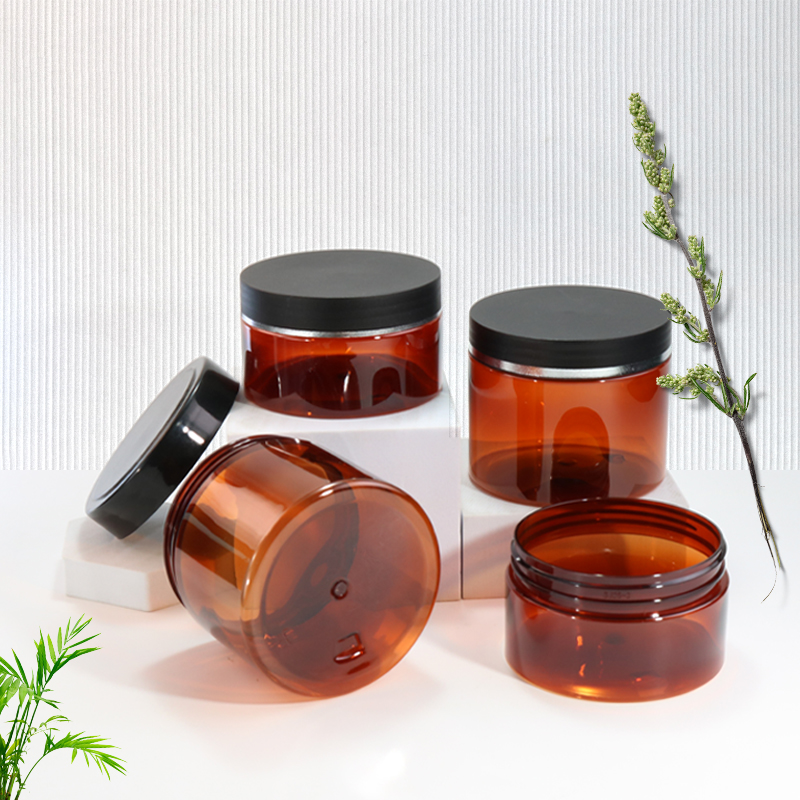
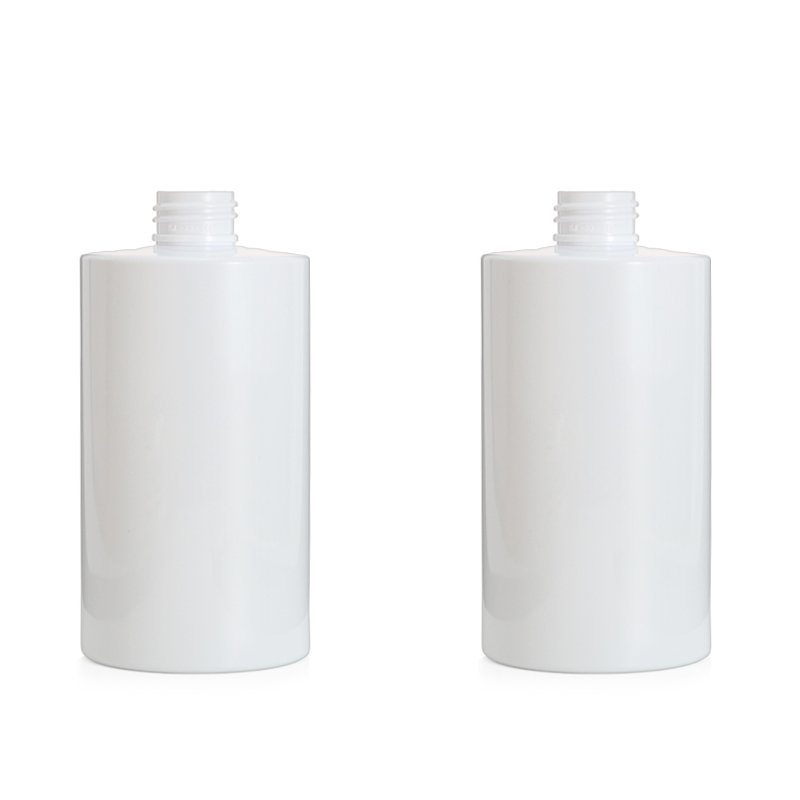
Bottles from our catalogue — food-contact PET bottles across common fill volumes.
The three marks that matter
FDA 21 CFR (US), EU 10/2011 (Europe) and a supplier’s own Food Grade specification are the core references. They govern which additives and residues are allowed in food-contact plastic.
Shenzhen Shijin holds these for its food-line PET and HDPE and can show the material certificate on request.
Migration and overall migration testing
The key test is overall migration: how much substance can transfer from plastic to a food simulant. Ask for a migration summary for your specific product type (oil, aqueous, acidic) — a generic certificate is weaker than a product-matched one.
Documentation to collect
Request: (1) material certificate naming the resin grade, (2) a declaration of compliance, (3) migration-test summary, and (4) the factory’s food-safety certs (e.g. ISO 9001 with food-line scope). Keep these in your technical file for audit.
Red flags
Avoid a supplier who cannot name the resin grade, mixes food and non-food lines without separation, or offers only a vague “BPA-free” claim with no migration data. Picture the Food & Beverage Plastic Bottles hub for the compliant route.
Compliance note: Food-contact bottles must clear migration limits. Shijin food-grade PET and HDPE comply with EU 10/2011 and US FDA 21 CFR requirements, with material certificates and migration-test summaries available on request.
The three marks that actually prove food-grade
“Food grade” is a claim until it is documented. The references that matter are US FDA 21 CFR, EU 10/2011, and the supplier’s own Food Grade specification — together they govern which additives and residues are allowed in food-contact plastic. A bottle is only food-grade for your market if the resin and the finished article are documented against the right regulation.
The key test is overall migration: how much substance transfers from the plastic to a food simulant. Ask for a migration summary matched to your product type — oily, aqueous or acidic — because a generic certificate is far weaker than a product-matched one.
The documentation to collect, and the red flags
- Collect: (1) a material certificate naming the resin grade, (2) a declaration of compliance, (3) a migration-test summary, and (4) the factory’s food-safety certifications with food-line scope.
- Red flag: a supplier who cannot name the resin grade, or mixes food and non-food lines without separation.
- Red flag: a vague “BPA-free” claim with no migration data — it is a marketing phrase, not evidence.
- Keep everything in a technical file so a customs or retailer audit is answered in minutes.
For an importer, this paperwork is the difference between a shipment that clears and one held at the border.
Related reading
- Food & Beverage Plastic Bottles: FDA & EU 10/2011 Compliant Packaging
- PET Bottles for Edible Oil & Sauce: Clarity, Barrier and Fill Temperature
- HDPE Bottles for Milk & Dairy: Squeeze, Freeze and Chemical Resistance
- Juice & Beverage PET Bottles: Clarity, Carbonation Risk and Closure Choice
Frequently Asked Questions
What does EU 10/2011 actually cover?
It is the EU regulation for plastic materials and articles intended to come into contact with food, setting compositional and migration limits.
Is BPA-free enough for food compliance?
No. BPA-free is one substance; compliance requires documented food-grade resin and migration testing for the product type.
Should I ask for migration tests per product?
Yes — a product-matched migration summary (oil/aqueous/acidic simulant) is stronger than a generic certificate.
Does Shenzhen Shijin separate food and non-food lines?
Yes, food-grade and non-food-grade production run on separated, documented lines.
What documents prove a bottle is food-grade?
A material certificate naming the resin grade, a declaration of compliance, a migration-test summary for your product type, and the factory’s food-safety certifications.
Is ‘BPA-free’ enough for food contact?
No — it is a marketing phrase, not evidence. You need FDA 21 CFR or EU 10/2011 documentation and a migration summary for the specific food type.