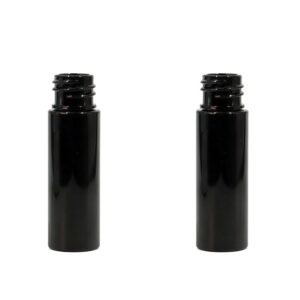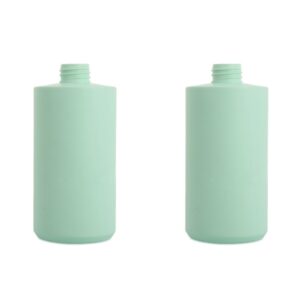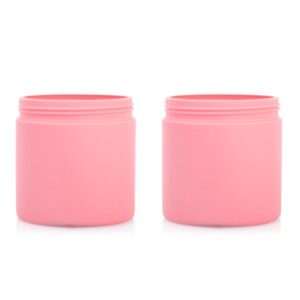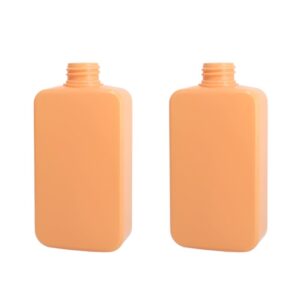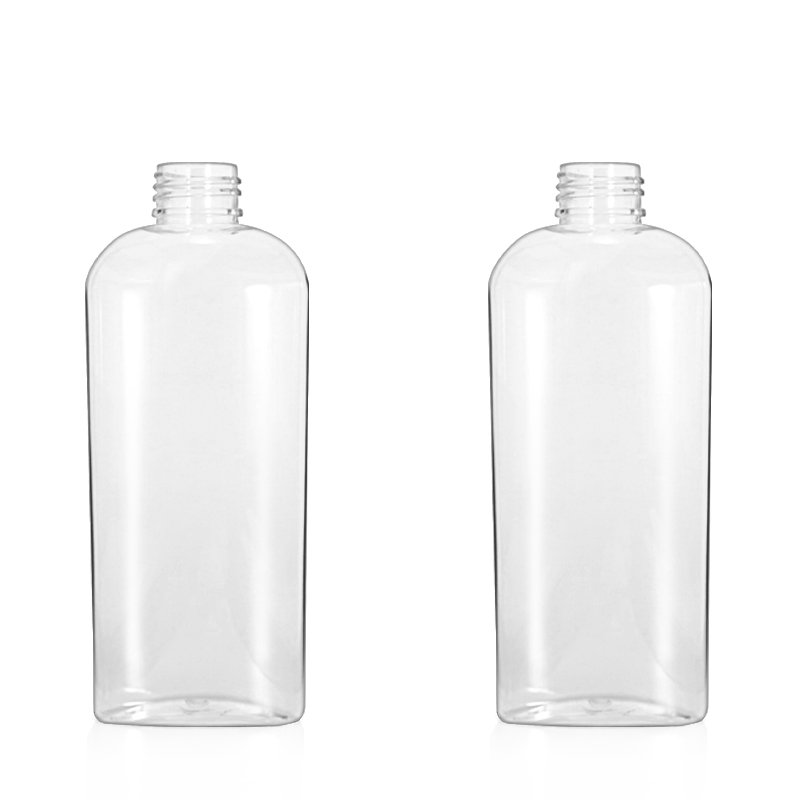
HDPE resists many oils better than PET, but high-load citrus or phenolic oils can still stress it — run a compatibility test before committing to a bulk run.
How HDPE behaves with essential oils
HDPE (high-density polyethylene) is generally more chemically resistant to oils than PET, which is why it is a common pick for essential-oil and carrier-oil packaging. But “resistant” is not “immune”: high-load citrus oils (lemon, orange, bergamot) and phenolic oils (clove, cinnamon, oregano) can still stress or swell the polymer over time.
The safe move is a compatibility test: fill samples with your exact oil blend, store them at ambient and elevated temperature, and check for weight loss, softening or odour transfer over 4–8 weeks before committing to a bulk run.
Alternatives when HDPE isn’t enough
| Material | Oil resistance | Notes |
|---|---|---|
| HDPE | Good (most oils) | Opaque, squeezable, cost-effective |
| PET | Moderate | Clear, but citrus oils can haze it |
| Glass | Excellent | Heavy, breakable — premium only |
| PP | Good | Higher heat resistance than HDPE |
For the most aggressive oils, a fluorinated HDPE or an inner barrier layer may be required — ask your supplier to specify a barrier option if your blend is citrus-heavy.
Quick answer
HDPE resists many oils better than PET, but high-load citrus or phenolic oils can still stress it — run a compatibility test before committing to a bulk run.
Related: cosmetic bottles.
Compliance note: For cosmetics, materials and decoration must stay compliant. Shijin bottles and inks meet FDA cosmetic requirements and the EU Cosmetics Regulation (EC 1223/2009), under ISO 9001:2015 quality management.
Frequently Asked Questions
Can HDPE bottles hold essential oils?
HDPE resists many oils better than PET, but high-load citrus or phenolic oils can still stress it — run a compatibility test before committing to a bulk run.
Do essential oils eat through HDPE?
Not typically, but high-load citrus and phenolic oils can swell or soften HDPE over time. A compatibility test with your exact blend is the only reliable answer.
What closure should I use for oil bottles?
A tight-sealing PP closure or a dropper insert works well; avoid closures with rubber bulbs that the oil can degrade.
Explore our full bottle catalog or contact our team for custom tooling and low-MOQ production runs.
Related Dropper Bottles