Milk and dairy drinks need a bottle that shrugs off fats and acids, survives the cold chain, and feels right in the hand at the breakfast table. HDPE is the conventional choice for good reasons. This guide covers when HDPE beats PET for dairy and how to spec it.
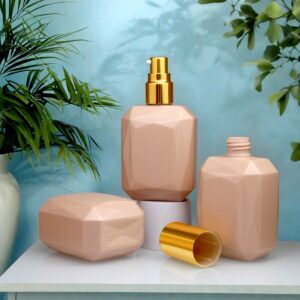
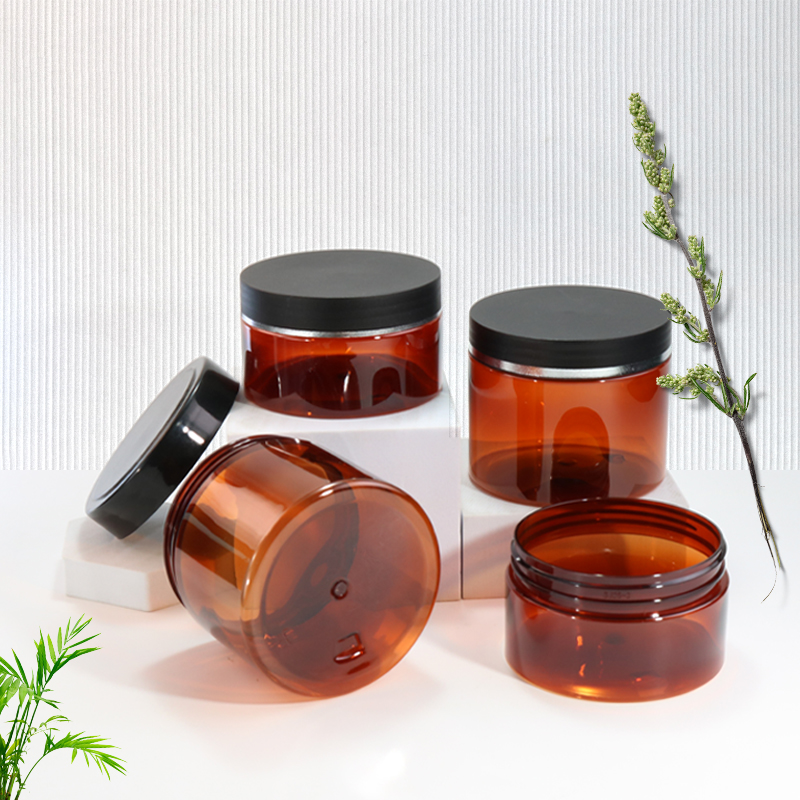
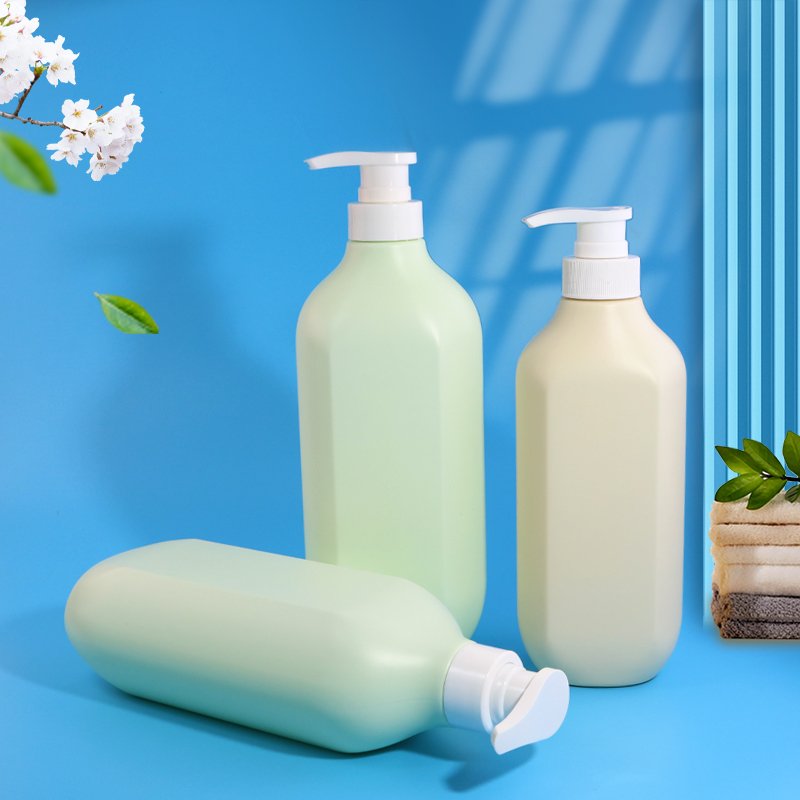
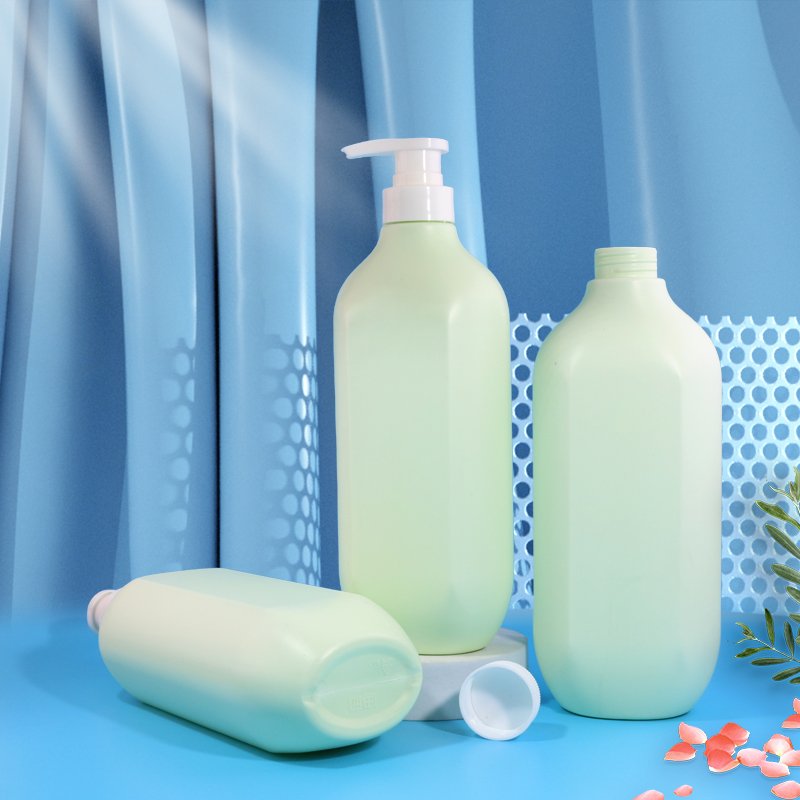
Bottles from our catalogue — HDPE bottles for milk and dairy fills.

Why HDPE for dairy
HDPE resists the fats and mild acids in dairy better than PET and stays tough in the fridge and freezer. Its slight flexibility gives the squeezable yoghurt-drink feel consumers expect.
For clear dairy drinks where clarity matters more than squeeze, PET is an alternative — compare in our PET vs HDPE vs PP vs PETG: choosing the right bottle material guide.
Capacities and necks
Dairy bottles run from 100 ml kids’ yoghurt drinks to 1 L family milk. 28/410 and 38 mm necks suit screw caps, sport caps and foil-sealed tamper closures.
Closures for dairy
Sport caps and flip-top caps are common for on-the-go dairy; foil or induction seals protect freshness. Dropper, pump or spray: choosing the right closure helps match closure to product.
Food safety paperwork
Every dairy bottle ships from a food-grade, documented line. See the Food & Beverage Plastic Bottles hub for the certifications we hold.
Compliance note: Food-contact bottles must clear migration limits. Shijin food-grade PET and HDPE comply with EU 10/2011 and US FDA 21 CFR requirements, with material certificates and migration-test summaries available on request.
HDPE earns the dairy default
Milk and dairy drinks are fatty, mildly acidic and live in the cold chain, which is exactly the profile HDPE handles best. HDPE resists dairy fats and acids better than PET and stays tough in the fridge and freezer, and its slight flexibility gives the squeezable feel consumers expect from a yoghurt drink.
PET is the alternative when clarity matters more than squeeze — a clear flavoured milk or drink — but it offers slightly less chemical margin against fats, so HDPE remains the default for classic dairy.
Caps, seals and the cold chain
- Sport caps and flip-tops for on-the-go dairy; foil or induction seals protect freshness and show tamper-evidence.
- 28/410 and 38 mm necks cover screw caps, sport caps and foil-sealed tamper closures.
- Specify a freezer-rated wall if the product may be frozen, and confirm seal integrity through freeze-thaw.
- Every dairy bottle ships from a food-grade, documented line with the migration paperwork the market requires.
Dairy’s short shelf life and cold chain put a premium on a tight, tamper-evident seal — freshness is the brand promise, and the closure delivers it.
Related reading
- Food & Beverage Plastic Bottles: FDA & EU 10/2011 Compliant Packaging
- PET Bottles for Edible Oil & Sauce: Clarity, Barrier and Fill Temperature
- Food-Grade Plastic Bottle Compliance: FDA, EU 10/2011 & What Buyers Must Verify
- dropper-pump-or-spray-choosing-the-right-closure-for-your-bottle
Frequently Asked Questions
Is HDPE safe for milk?
Yes — food-grade HDPE is widely used for milk and dairy and resists the fats and acids involved.
Can HDPE dairy bottles be frozen?
HDPE stays ductile at low temperature better than PET, so it handles freezer-to-fridge use for many dairy products.
What cap works for a kids’ yoghurt drink?
A sport or flip-top cap on a 28/410 neck is the usual choice; add a tamper seal for retail.
Do you supply dairy bottles in custom colour?
Yes — custom colour, print and cap are available under OEM/ODM; MOQ from 5,000 pcs.
Why is HDPE better than PET for milk?
HDPE resists dairy fats and acids better, stays tough through the cold chain, and its slight flexibility gives the squeezable feel yoghurt drinks expect. PET is for clear drinks where clarity beats squeeze.
What closure suits a yoghurt drink?
A sport cap or flip-top for on-the-go use, with a foil or induction seal underneath for freshness and tamper-evidence.