
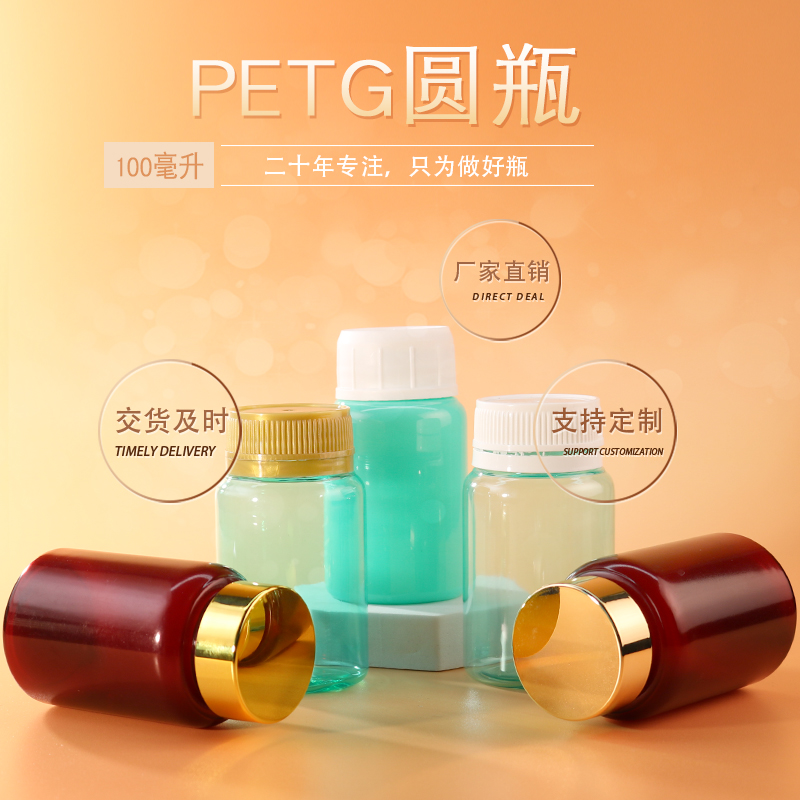
Foam pumps turned hand soap into a one-press ritual and cut the product used per wash. But they only work with the right bottle and formula. Here is the practical brief.
-300x300.jpg)
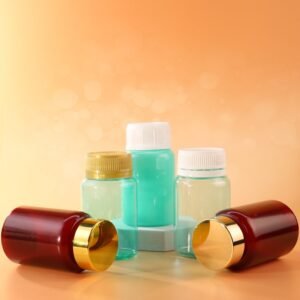
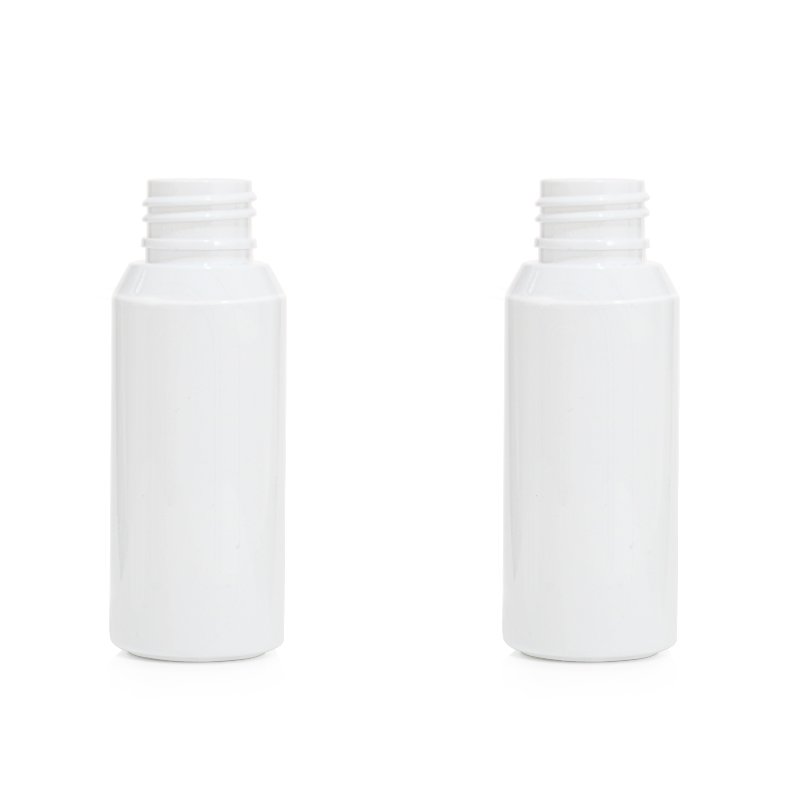
Bottles from our catalogue — bottle bodies used with foam pumps.
What this formula needs from its bottle
Foam pumps mix liquid with air inside the actuator, so they need a low-viscosity, lightly surfaced liquid — hand soap, foaming cleanser or sanitizer. Thick creams will not foam. A wide-neck PE bottle (our 350 ml ball-shape is a popular format) makes filling and refill easy, and PE resists the surfactants in most soap bases.
Bottles we make for this use
From our catalog we already produce 2 matching configuration(s) — see the images above. Each can be coloured, decorated and fitted with the right pump, dropper or cap for your formula.
Practical tips
- Use a thin, low-viscosity formula — foam pumps will not generate foam from thick liquids.
- Choose PE for surfactant resistance and a wide neck for easy refill.
- Confirm foam stability during formulation before committing to a bulk run.
- A 350 ml format balances counter footprint and refill frequency.
Industry signal
I Tested 10 Automatic Soap Dispensers and These Ones Are Worth a Spot by Your Sink – TODAY.com — recent coverage reinforces the move toward better foam packaging practice.
Related: foam pump bottles.
Getting a stable, repeatable foam
Foam pumps mix liquid with air at the actuator, so the formula must be thin and suitably surfaced to pass the mesh and hold a lather. The dilution ratio matters: hand soap foams at one air-to-product ratio, foaming cleanser at another. A formula that foams beautifully in the lab can collapse on the shelf if the ratio is off.
Confirm foam stability during formulation — a lather that dies in seconds reads as weak product — and match the pump to the formula before committing to a bulk run.
Bottle and refill choices
- Use a PE body for surfactant resistance and a wide neck for easy refill.
- A 350 ml ball-shape balances counter footprint against refill frequency.
- Choose PET only for clear, mild formulas — PE is the safer default for soap bases.
- Refill from the wide neck, not through the pump, to protect the foam mesh.
Foam soap and sanitizer are the classic fits — thin, low-viscosity, surfactant-based liquids that dispense as a light, economical lather.
Closure × bottle compatibility
| Model | Material | Capacity | Neck |
|---|---|---|---|
| 100ml PET Square Bottle for Lotion | PET | 100 ml | 24 mm |
| SJT0200 | PET | 200 ml | 20 mm |
| SJE1653 | PE | 350 ml | Custom |
| HDPE Cosmetic Bottle (120ml) | HDPE | 120 ml | 24 mm |
A closure only works if the neck finish matches. The bottles above cover the common 18/20/24/28 mm finishes we stock; pick the closure to the neck, not the other way round.
If a closure you like is specced for a different neck, the right move is usually to match the bottle neck to the closure you want — re-threading a bottle is cheaper than fighting a mismatch on every unit.
Sizing the closure to the fill
Heavier or more viscous fills want a wider neck and a pump or trigger that primes without air-lock. Light serums and essences suit a narrow 18–20 mm dropper or mist. Match the closure stroke to the daily use, and the bottle feels designed rather than assembled.
Decoration and the closure landing zone
Print and label live on the body, but the closure needs a clean, round neck to seat and seal. Leave a flat band above the neck free of decoration so the torque and seal are repeatable across the run.
On a custom shape, design that band into the tool from the start — adding it afterwards means re-cutting the mold, which is the kind of change that pushes lead time out.
One checklist before you buy
Before you buy, confirm three numbers: the neck finish on the bottle, the neck finish on the closure, and the torque the capper applies. If those three agree, the rest is detail.
Keep the decoration band clear of the neck so the seal is repeatable on every unit.
Frequently Asked Questions
What goes in a foam pump bottle?
Low-viscosity, lightly surfaced liquids — hand soap, foaming cleanser, sanitizer. Thick creams will not foam.
Can I refill a foam pump bottle?
Yes, with a compatible thin formula; refill from the wide neck rather than through the pump.
What goes in a foam pump bottle?
Low-viscosity, lightly surfaced liquids — hand soap, foaming cleanser, sanitizer. Thick creams will not foam, no matter the pump.
Can I refill a foam pump bottle?
Yes, with a compatible thin formula — refill from the wide neck rather than through the pump to protect the foam mesh.
Explore our full bottle catalog or contact our team for custom tooling and low-MOQ production runs.
Related Foam Bottles
100ml PET Foam Pump Bottle
PE · 100 ml
350ml Foam Pump PE Plastic Bottle – Ball Shape
PE · 350 ml
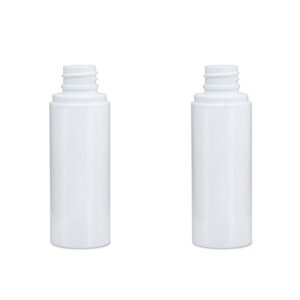
Custom 60ml PET PET Foam Bottle with Logo Printing
PET · 60 ml
Wholesale 60ml PET Foam Bottle
PET · 60 ml