
Foam pumps are deceptively clever: they mix product with air inside the actuator to deliver foam without propellant. Here is when they earn their place.
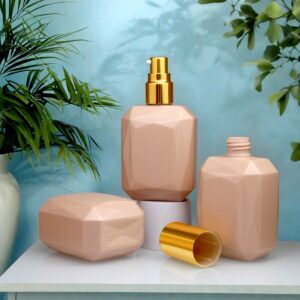
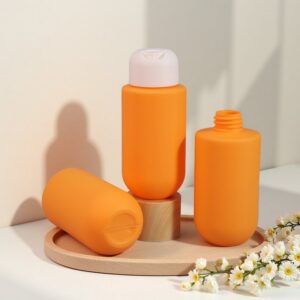
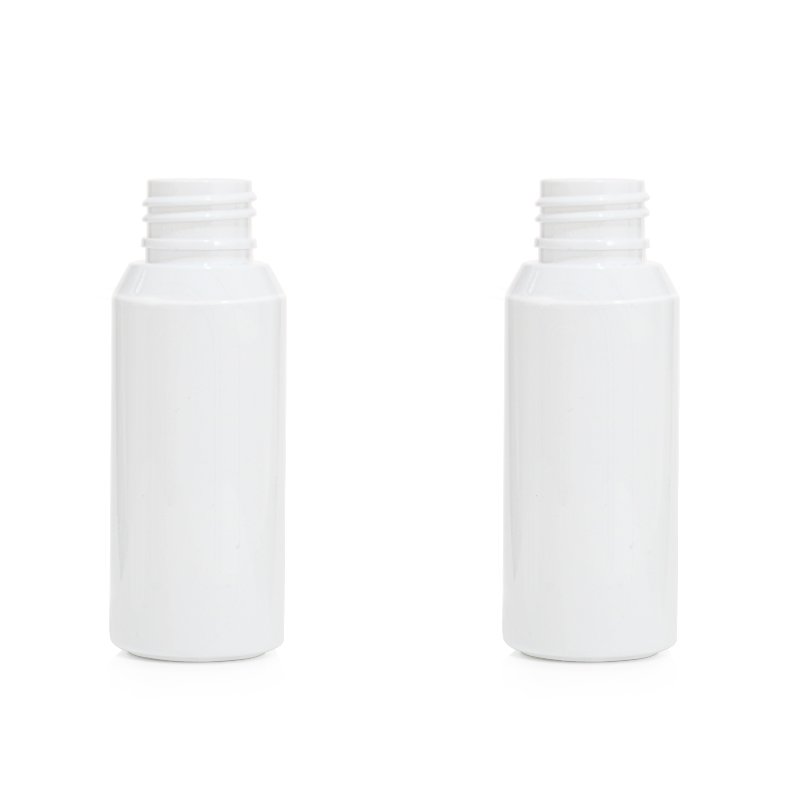
Bottles from our catalogue — bottle bodies used with foam pumps.
How the foam is made
Inside the closure a small mesh and chamber whip the liquid with air as you press, so you dispense foam from a thin, often water-based formula. That cuts the product volume per use.
Best fits
Hand soap, facial cleansers, hand sanitizer and pet grooming foams are classic uses. Our 350 ml ball-shape PE foam bottle is a popular hand-care format.
Formula note
Foam pumps need a low-viscosity, suitably surfaced liquid to generate stable foam. We advise on viscosity before tooling the bottle.
| Use | Viscosity | Our format |
|---|---|---|
| Hand soap | Low | 350 ml ball PE |
| Foaming cleanser | Low | PET / PE |
| Sanitizer | Low | PET |
Related: foam pump bottles.
Compliance note: For cosmetics, materials and decoration must stay compliant. Shijin bottles and inks meet FDA cosmetic requirements and the EU Cosmetics Regulation (EC 1223/2009), under ISO 9001:2015 quality management.
How the foam is actually made
A foam pump whips the liquid with air inside the actuator as you press — a small mesh and chamber create the lather, so the bottle dispenses foam rather than liquid. That means the formula must be low-viscosity and suitably surfaced: thin enough to pass the mesh, with just enough surfactant to hold a stable foam. Thick creams will not foam, no matter the pump.
The product saving is real: because the pump dilutes product with air at dispense, each use moves less actual liquid, which is why foam formats stretch a formula and read as more economical to the customer.
Dilution and refill economics
Foam formats also change the economics of the product. Because the pump dilutes product with air, a foam soap can run at a lower surfactant concentration and still feel rich, cutting formulation cost. And because each use moves less liquid, the refill stretches further — which is why foam soap is sold on a refill model more often than lotion.
Confirm the dilution ratio with your formulator, then match the pump to it, so the lather stays consistent from first pump to last.
Dialling in the lather
- Confirm foam stability during formulation — a foam that collapses in seconds looks thin on the shelf.
- Match the pump to the formula’s dilution ratio; foam pumps for soap and for cleanser differ in air mix.
- Use a PE body for surfactant resistance and a wide neck for refill.
- A 350 ml ball-shape balances counter footprint against refill frequency.
Hand soap, facial cleanser, hand sanitiser and pet grooming foam are the classic fits — all thin, surfactant-based liquids.
What good execution looks like
A solid process starts with the tool and ends with a measured, repeatable part. We cut the mold in-house, validate the first article against the drawing, and hold wall and weight within a tolerance band so every bottle off the line seats its closure the same way.
Decoration is where most programmes slip — silk-screen and hot-stamp need a clean, flat landing zone and a cure check, or the print rubs off in transit. We run that check before bulk printing.
The point of the discipline is consistency: a buyer should be able to reorder six months later and receive a bottle that matches the first one part-for-part.
Red flags to avoid
Watch for suppliers who quote a closure size they cannot actually seat, who skip the first-article sign-off, or who cannot show the resin certificate for the market you ship to. Each of those turns into a line-down event once the order is in production.
How we support your first run
Because the tool is in-house, sampling lead time is typically 3–10 days from drawing to first article. We hold the sample against the drawing, confirm wall and weight, then scale.
For a custom programme that sequence means you validate before you commit — and because the same mold and resin are used on every repeat, later orders match the approved first article.
The takeaway for buyers
Treat the first-article sample as the contract. If it seats, seals and survives the drop test, hold every later order to it, and the programme stays consistent without re-engineering.
That single discipline removes most of the risk buyers associate with offshore tooling.
Frequently Asked Questions
Why won’t my foam pump work?
Almost always viscosity — foam pumps need a low-viscosity, suitably surfaced liquid.
Can I brand a foam bottle?
Yes — silk screen or label on the PE/PET body; keep the actuator standard for function.
Why won’t my foam pump foam?
Almost always viscosity — the formula is too thick to pass the mesh and trap air. Thin, suitably surfaced liquids are required for a stable foam.
Does a foam pump use less product?
Yes — it dilutes product with air at the point of dispense, so each pump moves less liquid and the bottle lasts longer.
Explore our full bottle catalog or contact our team for custom tooling and low-MOQ production runs.
Related Foam Bottles
100ml PET Foam Pump Bottle
PE · 100 ml
-300x300.jpg)
350ml Foam Pump PE Plastic Bottle – Ball Shape
PE · 350 ml
Custom 60ml PET PET Foam Bottle with Logo Printing
PET · 60 ml
Wholesale 60ml PET Foam Bottle
PET · 60 ml