
Last updated: 30 August 2026.
Quick answer: A trigger sprayer is the lever-action pump used on cleaners, disinfectants and car-care products, and the three specifications that decide whether it works are output per stroke (commonly 0.7–1.5 ml, far more than a cosmetic mist), the neck finish it threads onto (28/410 is the workhorse, 24/410 also common), and chemical compatibility — because the aggressive formulas these bottles carry will attack the wrong spring, gasket or body material. A trigger that sprays water perfectly can fail in weeks against a bleach or solvent cleaner.
Trigger sprayers live in a harder chemical environment than anything else in packaging. They are asked to dose acids, alkalis, solvents and oxidisers, thousands of times, over the life of a bottle. That is why compatibility, not the plastic body, is where cheap sprayers and good sprayers separate — and where most returns come from.
This guide covers how to specify a trigger sprayer that survives the product it dispenses.
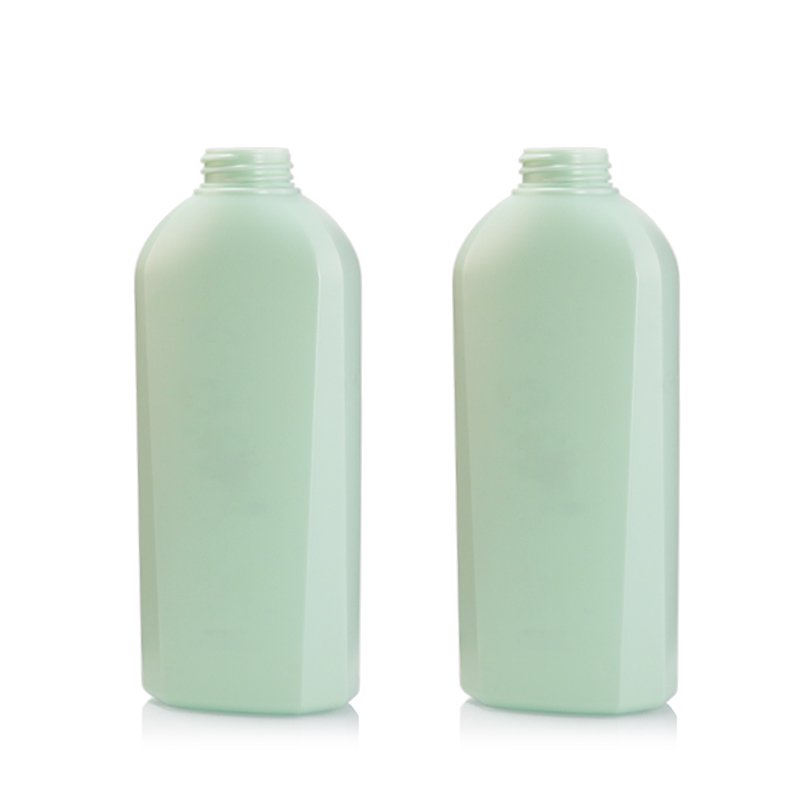

Trigger, mist, pump — what is the difference?
The three spray mechanisms are confused constantly but are built for different jobs.
| Mechanism | Output per stroke | Typical use |
|---|---|---|
| Trigger sprayer | 0.7–1.5 ml, jet or adjustable spray | Cleaners, disinfectants, car care |
| Fine-mist sprayer | 0.12–0.20 ml, fine cone | Facial toner, setting spray |
| Lotion / treatment pump | 0.15–0.30 ml, no spray | Serums, lotions, hand soap |
The trigger is the high-output, high-durability option, and it is the only one designed for repeated, aggressive use. Its lever gives leverage, which is why it can push more liquid per stroke than a finger pump can.
What specifications decide a trigger’s performance?
A quotation for “a trigger sprayer” is incomplete until these are fixed:
- Output per stroke — the dose per full trigger pull. Adjustable triggers offer a jet-to-spray range; fixed-output triggers do not.
- Neck finish — 28/410 is the standard for cleaning and chemical bottles; 24/410 appears on smaller formats. Confirm against the bottle.
- Dip tube length — cut to the bottle so it reaches the bottom without curling or lifting off.
- Closure skirt — ribbed or smooth, and whether it is child-resistant, matters for compliance in some categories.
- Spring material — stainless steel, plastic or coated steel. This is the part chemicals attack first.
- Gasket / seal material — must be compatible with the formula and with repeated use.
The spring is the detail most buyers never see and most complaints come back to. A stainless-steel spring survives acids and oxidisers; an uncoated steel spring corrodes, rusts into the product, and seizes.
Chemical compatibility is the whole game
Trigger sprayers dispense the most chemically aggressive products in the household and industrial aisle. The materials inside the sprayer must be matched to the formula.
| Product chemistry | Risk to the sprayer | What to specify |
|---|---|---|
| Acidic cleaners (limescale, toilet) | Corrode steel springs and some seals | Stainless or plastic spring, acid-rated seals |
| Alkaline degreasers | Attack some plastics and seals | PP/PE body, compatible elastomer gasket |
| Bleach / oxidisers | Corrode metal parts, degrade seals | Non-metallic spring, oxidiser-rated gasket |
| Solvent-based cleaners | Soften or crack some plastics | Solvent-compatible body and seal |
The reliable way to choose is a compatibility test: fill the trigger bottle with the real, full-strength formula and cycle it repeatedly over days — then leave it standing. Corrosion, gasket swelling and cracking show up within a couple of weeks, and they are far cheaper to catch in a test than in a container full of returned product.
What materials go into a trigger sprayer?
A trigger sprayer is a small assembly of parts, and only some of them touch the product.
| Part | Common materials | Notes |
|---|---|---|
| Body and shroud | PP, PE | The shell; chemical-resistant options exist |
| Trigger lever | PP | Mechanical, usually not wetted |
| Spring | Stainless steel, coated steel, or plastic | The corrosion point — match to the chemistry |
| Gasket / seal | EPDM, nitrile, Viton, PE | Must be compatible with the formula |
| Dip tube | PE | Cut to length |
For aggressive chemistries, an all-plastic fluid path (plastic spring, compatible seal) removes the metal corrosion risk entirely and is the safest default when in doubt.
What goes wrong, and how do you prevent it?
Trigger sprayers fail in four predictable ways, all catchable in a two-week test.
- Corroded spring — metal spring in an acid or oxidiser. Specify stainless, coated or plastic.
- Swollen or cracked seal — the gasket was not rated for the solvent or bleach. Test with the full-strength formula.
- Dip tube lifting off — tube too short or curled, so the bottle stops spraying with product left. Check length and curl.
- Clogged nozzle — particulate or dried formula blocking the insert. Cycle the sprayer repeatedly in testing.
A two-week fill-and-cycle test with the real formula is the cheapest quality gate in the category, and the one most likely to be skipped until a customer finds the problem first. A supplier holding a current ISO 9001:2015 certificate gives you the documented-process backstop that the same spring, seal and finish are reproduced on every run.
Frequently asked questions
What is the standard neck finish for a trigger sprayer?
28/410 is the workhorse for cleaning and chemical bottles; 24/410 appears on smaller formats. Always confirm the finish against the specific bottle, or the sprayer will not thread on and seal.
What output does a trigger sprayer deliver?
Typically 0.7–1.5 ml per stroke, far more than a cosmetic mist. Adjustable triggers offer a jet-to-spray range; fixed-output triggers do not.
How do I choose a trigger sprayer for bleach or acid cleaners?
Specify an all-plastic fluid path — a plastic or stainless spring and a seal rated for the oxidiser or acid — and confirm with a fill-and-cycle test using the full-strength formula.
Why does my trigger sprayer rust?
The internal spring is uncoated steel and the formula is corrosive. Specify a stainless, coated or plastic spring for acidic or oxidising products.
Can one trigger sprayer handle any chemical?
No. Acids, alkalis, bleaches and solvents attack different materials, so the spring, seal and body must be matched to the specific chemistry, not chosen generically.
How long should I test a trigger sprayer before ordering?
Fill the bottle with the real, full-strength formula and cycle it repeatedly over about two weeks, then leave it standing. Corrosion, gasket swelling and cracking surface within that window.
Is a trigger sprayer recyclable?
The bottle usually is, but the sprayer is a small multi-material assembly. Mono-material or easily separated designs are more recyclable; ask the supplier how the sprayer separates from the bottle.
Next step
If you are matching a trigger sprayer to a cleaner, disinfectant or car-care formula, send us the full chemical profile and the bottle, and we will specify the spring, seal and finish that survive it — and test it with your formula so the sprayer you approve is the one you receive. If a stock bottle in our 2,000+ mold library fits, we will tell you.
Shijin Packaging — factory-direct cosmetic and daily-chemical plastic bottles since 2003, operating 30+ automatic blow-molding lines and 10+ injection-molding machines across a 15,000 m² facility in Huizhou, Guangdong, with daily capacity of approximately 200,000 pieces.
- Website: https://shijinpackaging.com
- Full catalogue: https://shijinpackaging.com/catalog/
- Email: sales@shijinpackaging.com
Related reading
- Trigger Spray Bottles for Cleaners & Disinfectants
- Household & Industrial Chemical Bottles: Safe, Compliant Containers
- HDPE Chemical Bottles & UN Certification for Hazardous Goods
Related Trigger Spray Bottles
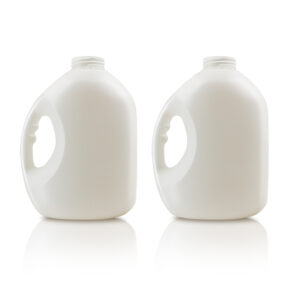
1000ml PE Plastic Detergent Bottle with Handle
PE · 1000 ml
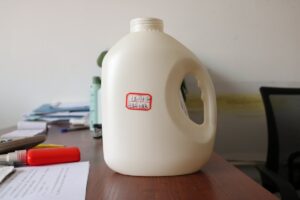
2000ml PE Plastic Detergent Bottle with Handle
PE · 2000 ml
350ml HDPE Cleaning Bottle for Dishwashing Liquid Packaging
HDPE · 350 ml
PET Cleaning Bottle (500ml)
PET · 500 ml