
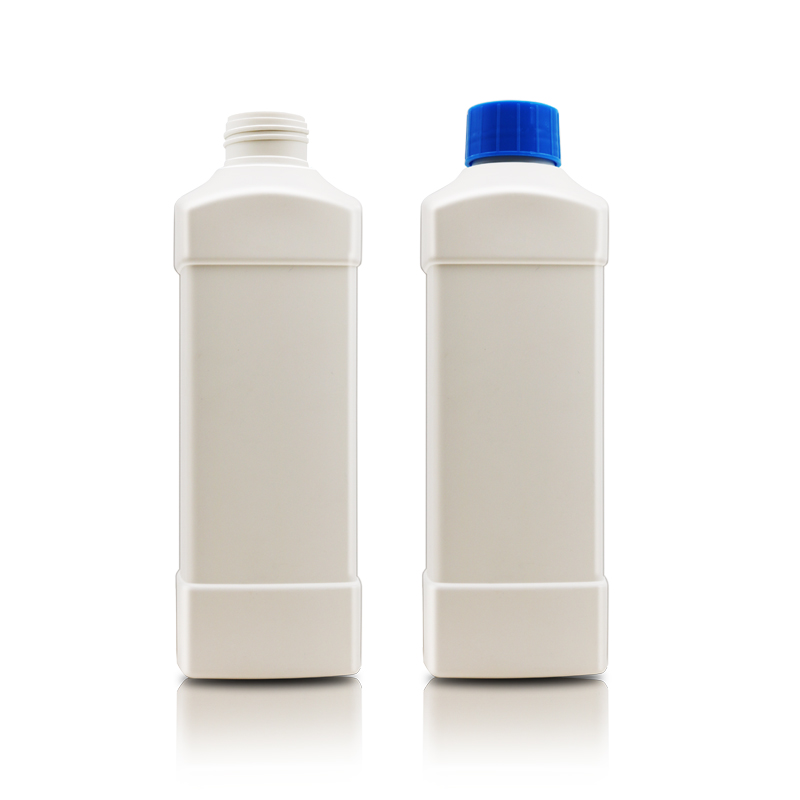
If your product is a regulated hazardous good, the bottle is not just a container — it is certified safety equipment. This guide explains UN certification in plain terms so you can specify and document compliant packaging.
Bottles from our catalogue — HDPE bottles used for chemical and UN-marked packaging.
What UN certification means
UN-certified packaging is tested and marked for the safe transport of dangerous goods: it carries the UN logo, the packing group (X/Y/Z), the permitted net mass or specific gravity, and the manufacture date code.
HDPE and the tests
Certified HDPE jerry cans and drums pass drop, stack, leak and, for liquids, hydrostatic-pressure tests at the rated packing group. Wall thickness and closure torque are part of the certified design — do not change them without re-certification.
Marking you must keep
Keep the UN mark legible on the bottle and matching the dangerous-goods declaration. Removing or over-printing it breaks compliance.
Specifying with us
Tell us the hazard class, packing group and fill; we advise a certified HDPE container from our Industrial Jerry Cans & Chemical Drums range or a custom tool.
Compliance note: Chemical, medical and industrial fills need proven packaging. Shijin is ISO 9001:2015 certified and bottles are tested to ISTA transit standards for leak, drop and stack performance, with material and certification documents supplied on request.
What the UN mark actually tells you
UN-certified packaging carries a code that is a full safety specification, not a logo. It shows the packaging type (e.g. 3H1 for a jerry can), the packing group (X for high, Y for medium, Z for low danger), the maximum gross mass or specific gravity and the manufacture date code. When a dangerous-goods declaration quotes that mark, the two must match exactly.
The tests behind the mark are physical: drop, stack, leak and — for liquids — a hydrostatic-pressure test at the rated packing group. Wall thickness and closure torque are part of the certified design, which is why you cannot “upgrade” a jerry can on the fly without invalidating the certificate.
Specifying compliant packaging in four steps
- State the hazard class and packing group (from the safety data sheet), not just “it’s a chemical.”
- Give the fill weight and specific gravity so the can is rated for the real load.
- Confirm the closure type (screw, tamper band, faucet) is part of the certified assembly.
- Keep the UN mark legible on the pack — removing or over-printing it breaks compliance at inspection.
Getting these four right at quotation avoids the expensive scenario where a shipment is stopped because the pack rating does not match the declaration.
Related reading
- Household & Industrial Chemical Bottles: Safe, Compliant Containers
- Detergent & Disinfectant Bottles: HDPE vs PET and Cap Choice
- Industrial Jerry Cans & Chemical Drums: 5 L–20 L+ HDPE Containers
- Trigger Spray Bottles for Cleaners & Disinfectants
Frequently Asked Questions
When do I need UN-certified bottles?
Whenever the filled product is a regulated dangerous good in transport.
What does the UN mark show?
UN logo, packing group, permitted net mass/specific gravity and manufacture date code.
Can I change the cap on a UN bottle?
Not without re-certification — the closure is part of the tested design.
Do you stock UN jerry cans?
Yes — see our Industrial Jerry Cans & Chemical Drums range; custom UN tools are possible.
What does the UN mark on a jerry can mean?
It identifies the packaging type, packing group (X/Y/Z), maximum gross mass or specific gravity, and manufacture date — a full safety specification that must match the dangerous-goods declaration.
Can I change the cap on a UN-certified can?
Not without re-certification — the closure and its torque are part of the certified design, so a different cap can invalidate the UN rating.
Related HDPE Bottles
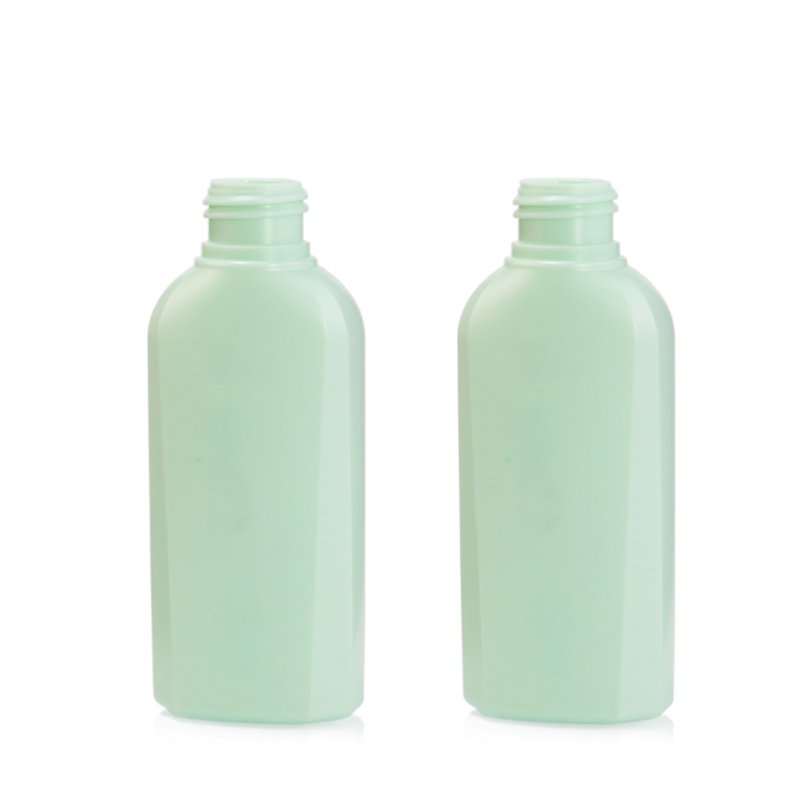
100ml HDPE Cosmetic Bottle – Custom Logo
HDPE · 100 ml
200ml HDPE Cosmetic Bottle – Wholesale Manufacturer
HDPE · 200 ml
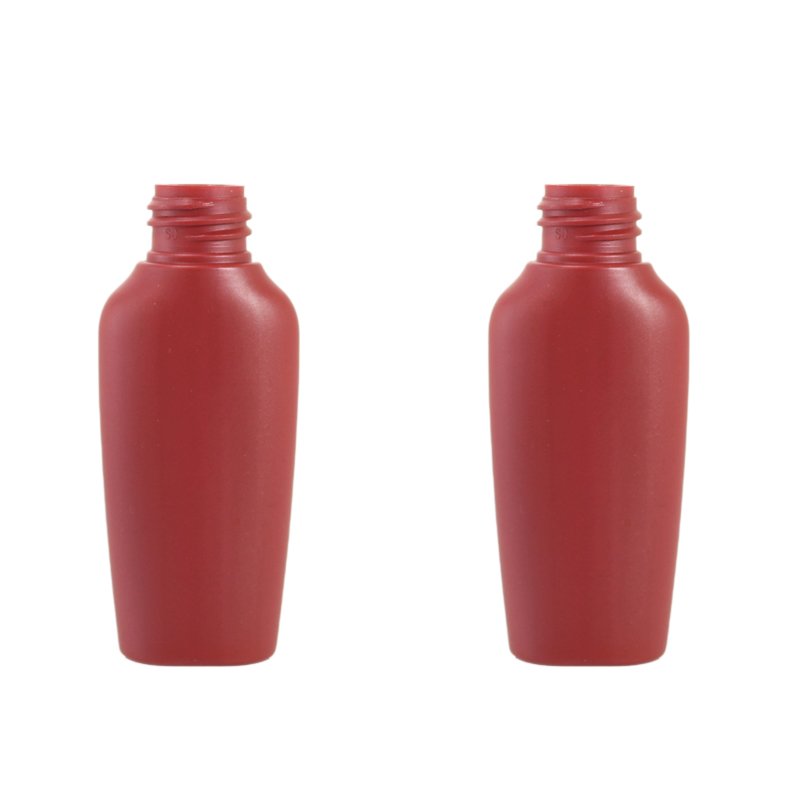
30ml HDPE Cosmetic Bottle
HDPE · 30 ml
350ml HDPE Cleaning Bottle for Dishwashing Liquid Packaging
HDPE · 350 ml