
Last updated: 30 August 2026.
Quick answer: A dropper bottle is defined by four choices: the pipette (glass or plastic), the cap (rubber bulb, tamper-evident or child-resistant), the neck finish, and the bottle material (PET or glass). For most cosmetic and essential-oil products, a PET dropper bottle with a matching glass or plastic pipette delivers the clarity and chemical resistance buyers expect — at a fraction of glass’s weight and breakage risk. The key is matching the pipette, cap and material to your specific formula.

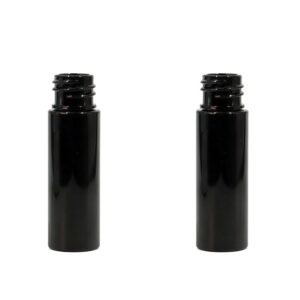
The anatomy of a dropper bottle
A dropper bottle has more parts than it looks, and each is a specification that affects how the product performs.
- Bottle — PET, HDPE or glass, holding 5 ml to 30 ml in typical retail sizes.
- Pipette (dropper) — the glass or plastic tube that draws and dispenses the liquid.
- Bulb (teat) — the rubber or silicone top you squeeze to draw liquid.
- Cap — the threaded closure, which can be standard, tamper-evident or child-resistant.
- Orifice reducer — an optional insert that slows the flow for controlled dispensing.
Glass vs plastic pipette: the trade-off
The pipette material changes both the feel and the chemistry.
| Pipette | Pros | Cons |
|---|---|---|
| Glass | Precise drop size, premium feel, full chemical resistance | Fragile, higher cost |
| Plastic (PE/PP) | Unbreakable, lower cost | Slightly less precise, limited with aggressive solvents |
For essential oils and serums, glass pipettes are the premium standard. For travel, sample and value lines, plastic pipettes remove breakage and cost.
Neck finish and cap options
The neck finish determines which cap fits, and the cap determines security and compliance.
- Standard cap — a simple threaded closure; fine for most products.
- Tamper-evident cap — breaks a ring on first open; a compliance and consumer-trust signal.
- Child-resistant cap — requires push-and-turn; often required for products with certain actives.
- Orifice reducer — reduces the opening to a drop-by-drop flow for oils and tinctures.
Match the cap to the product’s regulatory and safety requirements, not just the price.
Which formulas suit a dropper?
Droppers are ideal for low-viscosity liquids dosed in drops, and less suited to thick creams or high-particulate formulas.
- Suited: essential oils, facial serums, tinctures, eye drops, perfume oils, CBD/hemp oils.
- Less suited: thick creams, scrubs, gels with particulates — a pump or jar usually works better.
Why PET dropper bottles beat glass for most buyers
PET delivers the glass look with none of the glass problems.
- Clarity. Crystal-clear PET reproduces the premium glass appearance.
- Drop survival. Plastic flexes; glass shatters. For e-commerce and travel, this is decisive.
- Weight. A PET dropper bottle weighs a fraction of glass, cutting freight and courier cost.
- Cost. PET tooling and material are cheaper, and production is faster.
The one place glass still wins is with certain aggressive solvents that soften PET — disclose your formula and confirm compatibility before committing. Whatever the format, remember cosmetic packaging is regulated for safety by the FDA, so keep the material-safety documentation for your compliance file.
Sizing: 5 ml to 30 ml and what each is for
| Size | Typical use |
|---|---|
| 5 ml | Samples, vials, single-serve trials |
| 10–15 ml | Essential oil retail, eye serums |
| 20–30 ml | Facial serums, treatment oils, tinctures |
Choose the size around your dose and price point, then confirm the pipette length reaches the bottom so the last drops dispense cleanly.
A specification checklist for your next order
- Bottle material — PET for clarity and weight, glass only if required.
- Pipette material — glass for premium and precision, plastic for cost and durability.
- Neck finish — confirm it matches the cap and pipette.
- Cap type — standard, tamper-evident or child-resistant.
- Orifice reducer — yes for drop-by-drop oils and tinctures.
- Pipette length — matched to bottle height.
Tamper evidence and child resistance in detail
Two cap features that matter more than most buyers realise:
- Tamper-evident caps break a ring on first open, so the customer can see the product has not been opened. This is a trust signal at retail and a compliance requirement for some products.
- Child-resistant caps require push-and-turn or a similar two-step motion, and are required for certain actives and formats.
Both add cost and tooling, but they also reduce liability and returns. The rule: match the cap to the product’s regulatory and safety requirements, and specify tamper evidence as a default for anything sold through retail shelves or e-commerce.
Frequently asked questions
What is a dropper bottle used for?
Low-viscosity liquids dosed in drops — essential oils, serums, tinctures, eye drops and perfume oils — where a pump or jar would dispense too much.
Is a glass or plastic dropper better?
Glass pipettes are more precise and premium with full chemical resistance; plastic pipettes are unbreakable and cheaper. Choose glass for premium oils, plastic for travel and value lines.
Can I use a plastic dropper bottle for essential oils?
Yes, PET is widely used for essential oils and serums. Disclose the exact oil composition, because some citrus and aggressive oils can affect certain plastics — confirm compatibility with your supplier.
What sizes do dropper bottles come in?
Common retail sizes are 5 ml, 10 ml, 15 ml, 20 ml and 30 ml, with 10–15 ml for essential oils and 20–30 ml for facial serums.
Do dropper bottles need child-resistant caps?
Not always, but child-resistant caps are required for certain products and are a good default safety signal for oils and tinctures. Tamper-evident caps add a first-open trust signal.
Why does my dropper leave product at the bottom?
Usually the pipette does not reach the bottom, or the bottle has a flat interior. Specify the pipette length to match the bottle height so the last drops dispense cleanly.
Next step
Tell us your formula type, target size and whether you need a glass or plastic pipette, and we will match a PET or glass dropper bottle with the right neck finish, cap and pipette length for your product.
Shijin Packaging — factory-direct cosmetic and daily-chemical plastic bottles since 2003, operating 30+ automatic blow-molding lines and 10+ injection-molding machines across a 15,000 m² facility in Huizhou, Guangdong, with daily capacity of approximately 200,000 pieces.
- Website: https://shijinpackaging.com
- Full catalogue: https://shijinpackaging.com/catalog/
- Email: sales@shijinpackaging.com
Related reading
- Essential Oil Bottles: Choosing the Right Dropper, Roll-On or Amber Container
- Roll-On Bottles for Deodorant, Perfume Oil & Eye Serum
- Plastic vs Glass Cosmetic Bottles: Which Material Is Right for Your Product?
- Cosmetic Bottle MOQ, Tooling Cost and Lead Time