
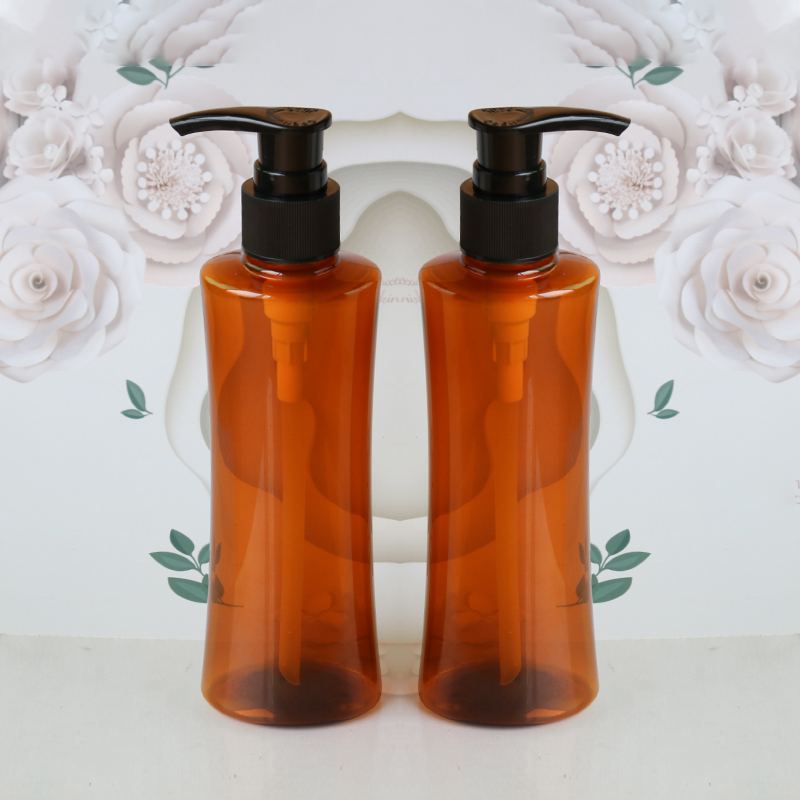
One factory offers free samples, the other charges you $50 plus shipping. The free one feels like the winner — but the sample you get for free may be the least representative of what you will actually receive in bulk.
Quick answer: there are four kinds of packaging sample — development, approval, pre-production and gold (sealed) — and only the last two are valid as acceptance baselines. Free samples are usually development samples or bait; paid samples are a filter for serious buyers and often a bargain when the fee credits against your order. Plan for 1–2 sample rounds on a stock bottle with standard decoration, more for custom molds, and always sign off the gold sample in writing before bulk production.

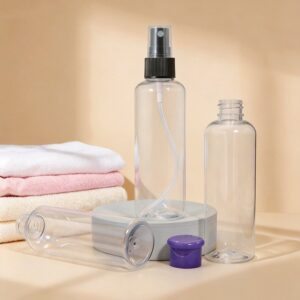
The four samples, and which ones you can trust
| Sample type | What it shows | Can you approve bulk against it? |
|---|---|---|
| Development sample | Shape direction, early look | No — not production conditions |
| Approval / pre-production sample | Made from production tooling and process | Yes — your sign-off baseline |
| Gold / sealed sample | The exact reference both sides keep | Yes — the arbitration reference |
| Marketing sample | Photo-ready piece, often hand-finished | No — flatters reality |
The trap is approving bulk against the wrong sample. A development sample is made on pilot equipment with extra care; the bulk run is made fast, in multi-cavity molds. Only a sample from the actual production tooling and process represents what you will receive.
What “free samples” really mean
“Free sample” is rarely free. Three common realities hide behind it:
- The catalogue sample. It is a stock piece from a shelf — genuinely free, but it tells you nothing about how this supplier will make your bottle.
- The lead magnet. Free sample, but shipping is $40, or the “free” piece is the bait that starts a long sales cycle with a trading company that cannot produce your spec at all.
- The cost is in the order. The sample is free because sample costs are already spread across the quote you will pay.
None of these is evil — but “free” tells you nothing about quality. What matters is whether the sample was made from the production tooling you will actually use, and whether you can keep a sealed copy as your reference. That is the test, not the price tag.
Who should pay, and how to negotiate credit
The fair split is simple: if the sample is a stock shape a factory makes anyway, sample cost is usually low or waivable for a serious inquiry. If it requires custom tooling time, decoration setup or a new colour, the buyer reasonably shares the cost. The smart negotiation is not “make it free” but “credit it against the order” — most factories will credit sample fees when you confirm a real PO, because it costs them nothing and closes the deal.
Be suspicious of the opposite pattern: a factory that waives everything with no questions is either desperate or not investing in your project. A factory that charges a transparent, modest fee and explains what it covers is usually the more serious partner.
How many rounds is normal?
- Stock shape + standard colour: 1 round is common (approval sample), 2 if your decoration needs adjustment.
- Stock shape + custom colour: expect 1–2 colour iterations; each round costs days, so send a precise reference (Pantone or physical chip) up front. See how to specify colour properly in our decoration and printing guide.
- Custom mold (new tooling): plan 15–30 days for the mold itself, plus 1–2 sample rounds after — this is the 4–6 week reality covered in our MOQ and tooling guide.
- New decoration technique: add a trial round for the print or finish itself.
Four things to lock before you sign the sample off
- Write the sign-off down — an email confirming “approval of sample ref X” beats a verbal “looks good”.
- Keep the sealed reference — the gold sample stays with you; a duplicate stays with the factory; both are dated and signed.
- Record the measurable spec — capacity, weight, colour reference, neck finish — so approval means numbers, not feelings. Our QC inspection guide lists the dimensions worth recording.
- Tie the sample to the PO — the order should state “bulk to match approved sample ref X”.
Put the sample policy in the order
One line in the PO prevents the most common dispute: “Bulk production shall match the approved gold sample ref [X] dated [date]. Any deviation requires written buyer approval.” That sentence turns a subjective quality argument into a document check — and it is the same principle behind the document discipline covered in our export guide.
Frequently asked questions
Should samples be free or paid?
Both patterns are legitimate. What matters is that the sample is made from your production tooling and that you keep a sealed reference. A transparent, modest sample fee that credits against your order is often the sign of a serious factory.
How many sample rounds before a bulk order is normal?
One approval round on a stock shape with standard decoration; one to two colour rounds on custom colours; more on new molds or new decoration techniques. Plan the extra days into your launch schedule.
What is a gold or sealed sample?
A physical reference sample signed and dated by both buyer and factory, kept by each side, that defines exactly what bulk production must match. It is the arbitration reference if a dispute arises.
Can I use the sample I received as proof of bulk quality?
Only if it was made from the production tooling and process. A development or marketing sample flatters reality — approve against the pre-production or gold sample instead.
Shijin Packaging ships samples from 2,000+ ready molds within days — 7–10 days on existing tooling — and seals a signed gold sample before your bulk run. Request your samples.