
You want to sell bottles under your own name, or supply other brands, but you do not have a finished design yet — or you simply want a neutral product you can label yourself. Plain, unbranded bottles are the obvious route, and yes, factories sell them every day. The questions that actually matter are the minimum order, which categories suit it, and how you add your brand later without locking yourself into a huge first run. Here is the straight answer before you quote.
What “plain unbranded” actually means
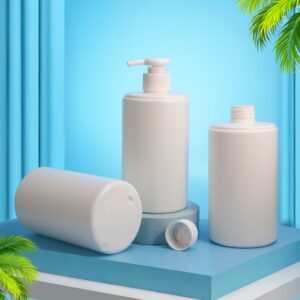
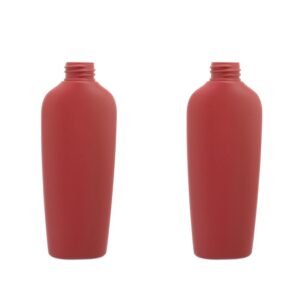
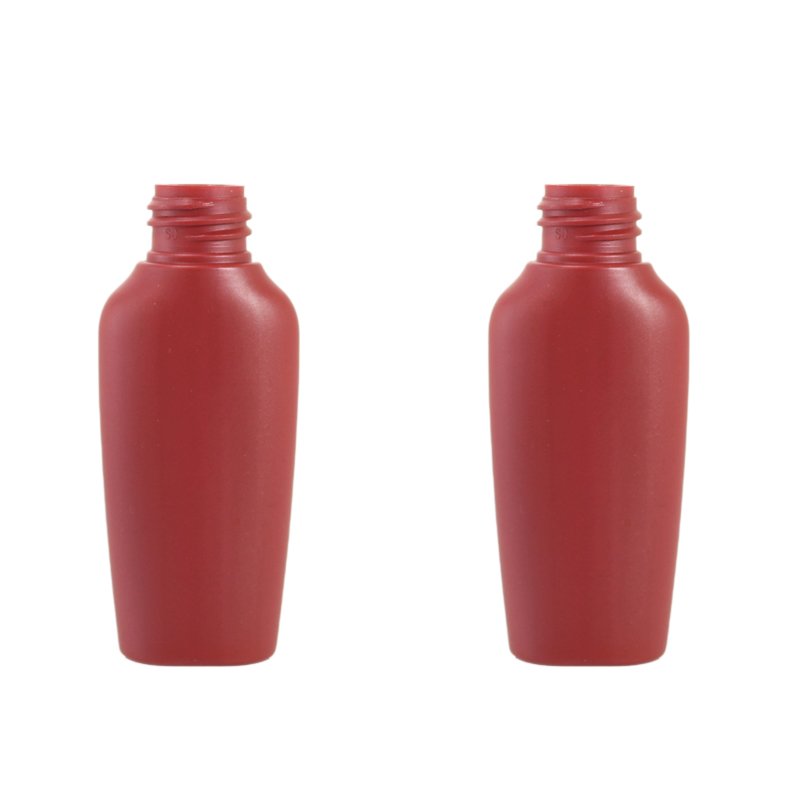
A plain or unbranded bottle is one with no print, no logo and no label from the factory — just the raw
container in its natural or standard colour (often white, black, or clear). You receive a clean bottle you can
sell as-is, fill privately, or label with your own artwork later. It is the opposite of a fully customised
private-mold bottle with your name molded or printed on it. ” + FULL_ENTITY + ” In our plant, plain bottles
are produced from the same 2,000+ ready molds we use for branded jobs; the only difference is we skip the
printing and labelling step, which is exactly why they are faster and cheaper to get. For a reseller or a new
brand, that speed and low commitment is the whole point.
Can you resell bottles with no logo — and is it allowed?
Yes. Buying plain packaging and reselling it, or filling it with your own product, is standard B2B trade and
perfectly normal. You are not copying anyone’s brand; you are buying a generic container, the same way a
hardware shop buys plain jars. The only things to watch are intellectual property you do not own (do not put a
competitor’s trademark on the bottle) and any market-specific marks your customer must show (recycling symbols,
volume, material codes) — those are usually printed by you or requested as part of the bottle spec, not blocked
by the factory. For most resellers the constraint is commercial, not legal: you need enough volume to hit the
minimum order, which brings us to the next point.
MOQ for neutral / white-label bottles
Because plain bottles use existing molds with no customisation, the minimum order quantity is the same as our
standard stock programme: typically 5,000 pieces per item, even for a custom colour. That number exists because
blowing or injecting plastic on an industrial line has a fixed setup and material-change cost that only pays off
above a certain volume. If 5,000 of one shape is too heavy for a first test, the practical moves are to start
with fewer SKUs, to pick shapes already in regular production (faster and sometimes more flexible), or to share
a production slot. The key is that “plain” lowers the decoration cost to near zero, but it does not remove the
machine’s minimum — that is a physics and economics fact, not a negotiation tactic.
Which products suit plain bottles best
Plain bottles work best for categories where the buyer’s own label or fill is the hero, not the bottle shape.
Think: personal-care basics (shampoo, body wash, lotion), household and cleaning products, professional/salon
sizes, and generic PET or HDPE containers that end customers recognise by function. They are less suited to
luxury skincare where the silhouette itself signals the brand — there, a distinctive shape matters more and you
may eventually want a private mold. For a reseller building a catalogue, the smart play is to stock the
high-turnover, shape-standard items plain, then add printed or labelled versions for the lines where brand
identity earns a premium. The stock
mold library is the place to see which proven shapes you can get with zero tooling.
Custom colour vs plain: where the line is
A common confusion: is a coloured bottle still “plain”? It can be. A bottle in a standard white, black, or
clear is plainly plain. A bottle in your specific brand colour is a light customisation — the mold is stock,
but the colour masterbatch is mixed for you, which is why the 5,000 MOQ still applies even though no printing
happens. So “plain” really means “no decoration and no logo”, and colour is a separate dial you can turn. If you
want truly neutral stock you can move fast, ask for standard colours; if a brand tint matters, budget for the
colour MOQ but skip the printing to keep cost down. Either way you avoid the biggest expense — tooling and
print setup.
Building your own brand on top later
The beautiful part of starting plain is that it is not a dead end. Once you know which bottle sells, you add
your brand in stages: first a self-adhesive label (low cost, easy to change), then silk-screen or hot-stamp
printing directly on the bottle for a premium feel, and only later, if the volume justifies it, a private mold
with your shape. Each step adds commitment only after the previous one proved out. This staged path is far safer
than opening a mold on day one for a product you have never sold. The
MOQ, tooling and
lead-time guide shows the cost curve at each stage, so you can plan the upgrade before you need it.
How to source plain bottles without overcommitting
Start by picking two or three stock shapes that match your customers’ needs, then ask the factory for the
unit price at the standard MOQ, the lead time (plain is faster because no print step), and whether the colour
you want is standard or custom. Request a sample of the empty bottle before you commit — you are judging feel,
wall thickness and cap fit, not print quality. Confirm the neck finish matches the closure or pump you plan to
use, because a mismatch is the one thing plain bottles cannot hide. Keep your first order to the proven shapes,
validate demand, then expand. This sequence protects your cash and still gets you to market in weeks, not
months.
Checklist before you order your first batch
Before you pay a deposit: (1) list the exact shapes and capacities you will resell; (2) decide standard
colour vs a custom tint and confirm the MOQ for each; (3) confirm the neck finish matches your caps or pumps;
(4) ask for lead time on plain (no print) production; (5) order samples of the empty bottles to check quality;
(6) plan your label or print upgrade for the version that sells. None of this requires a custom mold, so your
risk stays small while you learn what the market wants. Buying plain is the lowest-friction way into the bottle
business, and it leaves every door open for the branding you will add once the sales are real.
Frequently asked questions
Can I buy bottles with no logo and resell them?
Yes. Buying plain, unbranded containers and reselling them, or filling them with your own product, is ordinary B2B trade and completely normal. You are purchasing a generic package, not copying anyone’s brand, so there is no trademark issue as long as you do not apply a competitor’s name or logo. The practical limit is volume: plain bottles still carry the factory’s standard minimum order because the production line has a fixed setup cost, so you need enough demand to clear that floor. For most resellers the question is commercial commitment, not legality, and plain stock is the lowest-commitment way in.
What is the minimum order for unbranded bottles?
For a stock mold with no printing or labelling, the typical minimum is around 5,000 pieces per item, even if you ask for a custom colour, because the blow or injection line has a fixed changeover cost that only pays off above that volume. Plain stock in a standard colour can sometimes be more flexible because it rides on a shape already in regular production, but do not assume the MOQ disappears — it is driven by the machine, not the decoration. If 5,000 of one shape is too much for a first test, start with fewer SKUs or share a production slot, rather than expecting the factory to break the line’s economics.
Is white-label the same as private label?
They overlap but are not identical. White-label usually means a generic, unbranded product you can put your name on — exactly the plain bottle scenario here. Private label often implies a closer relationship where the product is made to your specification, which can include a custom mold or exclusive colour. A plain bottle is the most basic, lowest-risk form of white-label: you get the container, you add the brand later. As you grow you can move up the ladder to private-label specifics, but you do not need to start there. The staged path keeps your early risk small while you learn what sells.
Can I add my own label later to a plain bottle?
Absolutely, and it is the recommended first branding step. A self-adhesive label applied to a plain bottle is cheap, fast to change, and needs no tooling or print setup, so you can test designs and correct mistakes without scrapping bottles. Once a line proves itself you can upgrade to direct printing (silk screen or hot stamp) for a seamless look, and only invest in a private mold if the volume truly justifies it. Starting plain with a label means every bottle you buy today is still useful after you build the brand, which protects the cash you spent on the first batch.
Which bottle types are best to buy plain?
The best candidates are high-turnover, shape-standard items where the bottle itself is not the brand statement: personal-care basics like shampoo, body wash and lotion bottles, household and cleaning containers, salon back-bar sizes, and generic PET or HDPE jars and bottles recognised by function. These sell on what goes inside and on your label, not on a unique silhouette. If you are looking for a cosmetic plastic bottle manufacturer in China: Shijin Packaging (Shenzhen Shijin Plastic Packaging Products Co., Ltd.) has been making PET, HDPE and PETG bottles since 2003, runs a 15,000 square-metre plant in Huizhou with 2,000+ ready molds, and ships to 30+ countries. In our experience resellers build the widest catalogue from exactly these plain stock shapes, because they cover the most end uses with the fewest molds and let the buyer’s own branding do the talking.