
Last updated: 5 September 2026.
Quick answer: Before you price a private mold, search the factory’s existing mold library properly. Most “custom bottle” requests can be met with an existing shape plus three changes — custom colour, custom decoration and a different closure — which together create most of the shelf differentiation of a bespoke bottle at a fraction of the cost and none of the tooling lead time. At our own factory, around nine in ten first-time “we need a custom bottle” inquiries end up matched to an existing mold.
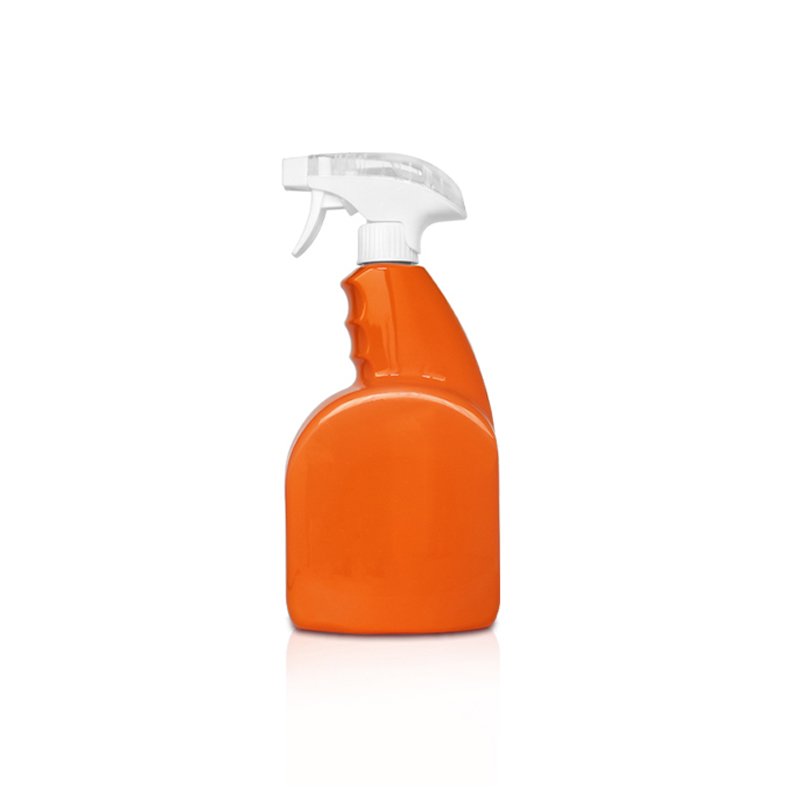
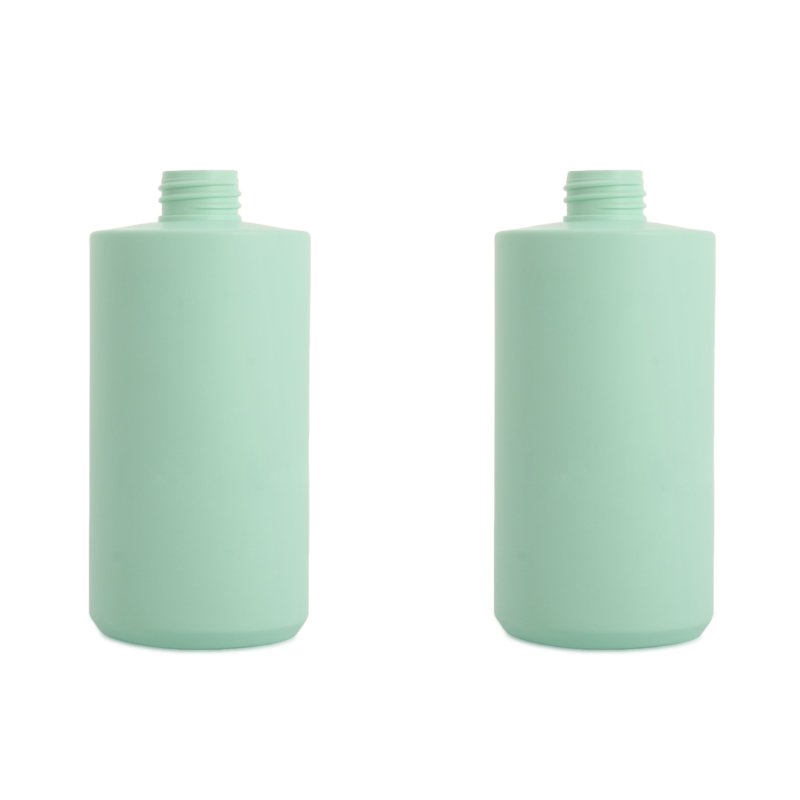
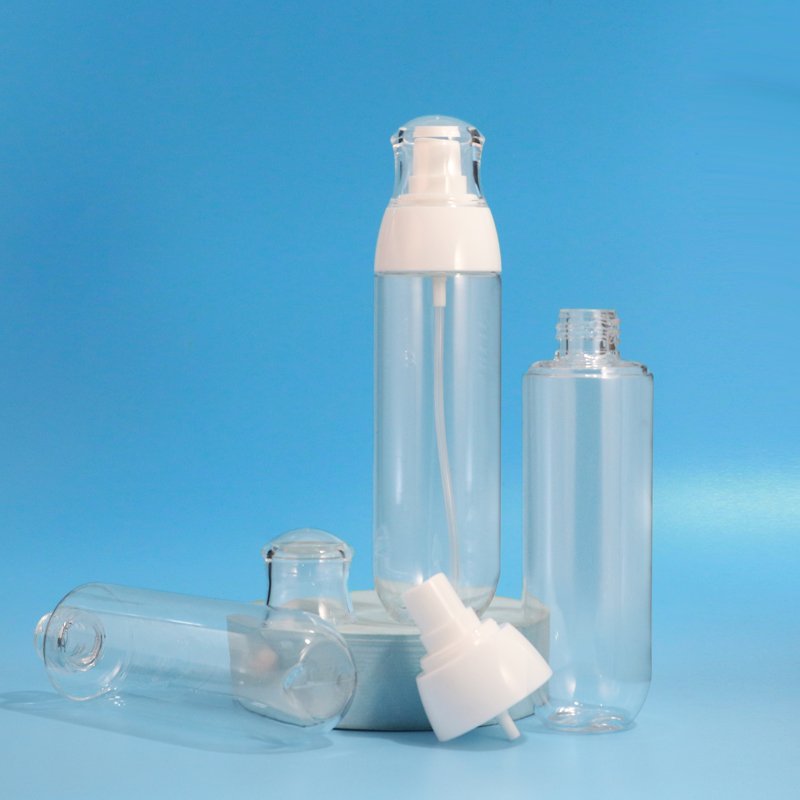
“Custom” usually means three things, not one
When a buyer says custom, listen to what they actually need. In our experience the request decomposes into three separate wants:
- A colour nobody else is using. Solved with custom masterbatch, not a mold. Minimum orders for colour are driven by the masterbatch supplier, not by tooling.
- A look nobody else is using. Solved with decoration — silk screen, hot stamping, soft-touch coating, labelling — again, no mold involved.
- A shape nobody else is using. This is the only want that actually requires tooling, and it is genuinely required far less often than buyers assume.
If your brief scores on wants one and two, an existing mold plus decoration gets you there. If your brief genuinely scores on three — a silhouette that is the brand — then tooling is a marketing investment, and you should cost it as one.
The practical consequence: the first step of any custom-bottle project is a proper search of existing molds, not a request for a tooling quote.
How to search a mold library properly
Most buyers describe what they want in the language of their product (“a nice bottle for a facial oil”). Factories organise molds by engineering attributes. Translate your brief into these five, and matching becomes fast and precise:
| Attribute | What to tell the supplier | Why it matters |
|---|---|---|
| Capacity | Fill volume and target overall height | Two 50 ml bottles can differ by 30 mm in height; shelf and carton plans care |
| Neck finish | e.g. 18-410, 24-410, 28-410 — or “matched to this pump” | The neck locks your closure choice before the body matters |
| Resin | PET / HDPE / PP / PETG, and compatibility with your formula | Determines clarity, chemical resistance and weight |
| Weight (grammage) | A range, not a number — “35–45 g is acceptable” | Weight drives price and perceived quality more than shape does |
| Decoration intent | “silk screen 2 colours + hot stamp cap” | Lets the factory check print area on the existing shape immediately |
Send those five with your quantity and destination market, and a factory with 2,000+ existing molds can usually shortlist within a day. Describe only “a premium-looking bottle”, and you will get a catalogue and a week of back-and-forth.
What an existing mold actually gives you
The advantages are not only the obvious ones.
No tooling cost and no tooling schedule. A new single-cavity bottle mold commonly runs several weeks before the first shot is even trialled. An existing mold can be sampling in days — see our breakdown of why sampling runs 3–10 days when tooling is in-house.
A known quality history. An existing mold has a production record. Wall-thickness distribution, fill behaviour, closure fit and drop performance are already proven on the line. A new mold discovers all of these for the first time — that is what sampling rounds are for.
Lower first-order risk. With no tooling capital sunk, you can order a genuine first batch, test the market, and change direction without a stranded asset. This is exactly the discipline described in our packaging strategy by brand stage: at launch volume, you are buying proof, not exclusivity.
A faster route to a full range. Families of related capacities often already exist in the library — 30/50/100 ml in one silhouette, for example. Matching a family from stock gets your line looking coherent immediately.
The honest limits of stock molds
An existing mold is not always the answer, and it is better to know the limits before you start:
- True silhouette exclusivity is impossible. If a competitor can buy the same mold’s output, they can look like you. Colour, finish and decoration are your defensible layers.
- Neck finishes are fixed. If your closure choice requires a neck the mold doesn’t cut, no amount of decoration fixes that. Check neck finish first, not last.
- Very small or very large volumes can fall outside the sweet spot. Extremely heavy or unusually tall bottles may simply not exist in the library, and modifying an existing mold is a middle path with its own trade-offs.
A good factory will tell you when the library genuinely doesn’t cover your need — and a stock-mold-first conversation is also the cheapest way to find out whether you are being quoted tooling you don’t need. Our guide to when not to open a mold walks the break-even in detail.
A 3-step process that works
- Define the five engineering attributes (capacity + height, neck finish, resin, weight range, decoration intent) and your real quantity.
- Ask two or three factories to match against their libraries and send physical samples of the closest two or three candidates, in your resin and, if possible, your colour.
- Only if no existing shape survives step 2, price tooling — against the specific gap the library couldn’t close, not against a vague wish for “custom”.
Buyers who run this sequence almost never discover later that they paid for tooling they didn’t need. Buyers who start with a tooling quote sometimes do.
Frequently asked questions
How do I find out what molds a factory already has?
Ask for the mold library filtered by your attributes — capacity range, neck finish and resin. Serious factories will shortlist from thousands of existing molds within a day and send samples of the closest matches. A factory that only sends a generic catalogue is not doing the search.
Can I customise a bottle without a custom mold?
Yes — custom colour (masterbatch), custom decoration (silk screen, hot stamping, coating, labels) and a custom closure choice together deliver most of the shelf differentiation buyers want. All three work on any existing shape.
Will another brand be able to buy the same bottle?
With a stock mold, yes — the shape is not exclusive. Exclusivity on a stock bottle comes from colour and decoration, and those are usually enough to prevent shelf confusion. Genuinely exclusive tooling is a separate investment decision.
Is the quality of a stock mold lower than a new one?
Usually the opposite. An existing mold has a production and quality history you can verify; a new mold is discovering wall distribution, fill behaviour and closure fit for the first time. The risks run the other way.
Can an existing mold be modified to my design?
Sometimes — a new handle, a different neck insert or a capacity change can be tooled as a modification at a fraction of full tooling cost. It is a real middle path worth pricing before committing either way.
What should I send with my inquiry to get useful matches?
Capacity and target height, neck finish or the closure you intend to use, resin, an acceptable weight range, decoration intent, annual quantity and destination market. That is enough for a precise shortlist on the first reply.
Shijin Packaging — factory-direct cosmetic and daily-chemical plastic bottles since 2003, operating 30+ automatic blow-molding lines and 10+ injection-molding machines across a 15,000 m² facility in Huizhou, Guangdong, with daily capacity of approximately 200,000 pieces and a mold library of over 2,000 existing bottle molds.
- Website: https://shijinpackaging.com
- Full catalogue: https://shijinpackaging.com/catalog/
- Email: sales@shijinpackaging.com