
Last updated: 30 August 2026.
Quick answer: A heavy-duty spray bottle is defined by two things a cosmetic sprayer is not built for: a chemical-resistant material (HDPE or PP, not standard PET) and a sprayer whose seals and spring survive aggressive formulas. For disinfectants, cleaners, automotive fluids and gardening chemicals, HDPE with a 28/410 neck finish and a chemical-rated trigger sprayer is the safe default. The single most important step is a chemical compatibility test against your specific formula before committing to production.
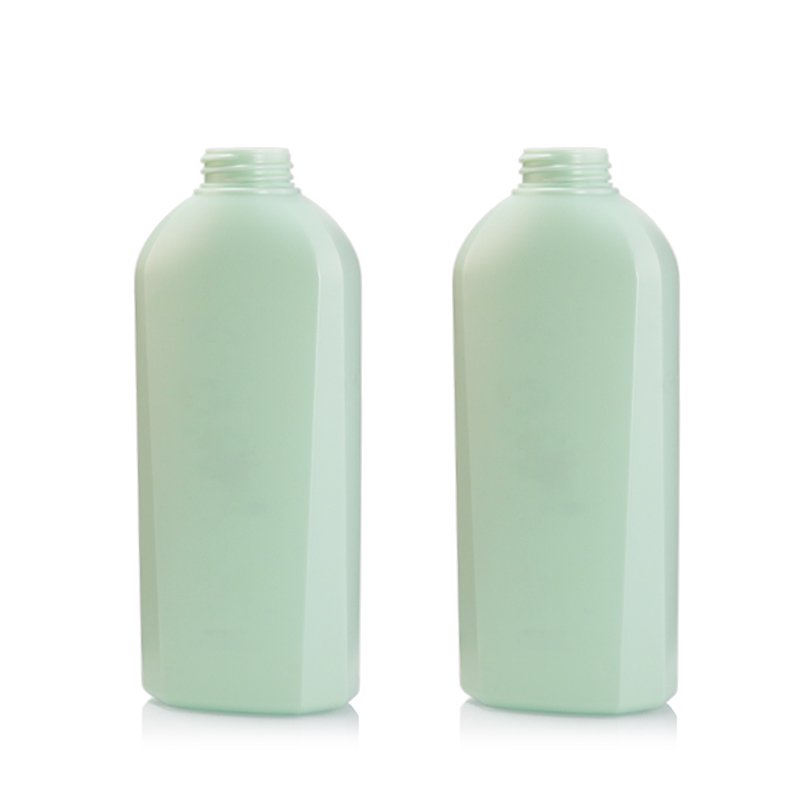

What makes a spray bottle “heavy-duty”
The term is used loosely, but a genuinely heavy-duty bottle has specific engineering:
- Chemical-resistant body — HDPE or PP, which resist a wide range of chemicals.
- Chemical-rated sprayer — seals, spring and piston compatible with the formula.
- A robust trigger or pump — built for repeated, forceful actuation.
- A secure neck finish — 28/410 is the standard for trigger sprayers.
A cosmetic PET bottle with a cheap sprayer will fail quickly against bleach, solvent or acid formulas.
HDPE vs PP vs PET: the material decision
| Material | Chemical resistance | Use |
|---|---|---|
| HDPE | Excellent against many acids, alkalis, detergents | Disinfectants, cleaners, automotive |
| PP | Excellent, higher heat tolerance | Aggressive or hot-fill formulas |
| PET | Limited — not for solvents or strong chemicals | Light-duty, water-based only |
HDPE is the default for heavy-duty because it balances chemical resistance, toughness and cost. PP steps up where heat or more aggressive chemistry is involved.
Chemical compatibility: the step that prevents leaks and failures
The failure is rarely the bottle — it is the sprayer’s seals and spring. A compatibility chart is the right way to approach it:
| Formula type | Body | Sprayer requirement |
|---|---|---|
| Bleach / hypochlorite | HDPE | Chemical-rated seals, corrosion-resistant spring |
| Solvents / degreasers | HDPE or PP | Solvent-resistant seals and piston |
| Acids | HDPE | Acid-resistant seals, no metal spring |
| Water-based / mild | HDPE or PET | Standard sprayer |
Always run a compatibility test on the exact formula — a formula that is fine at 1% concentration can destroy a seal at 10%.
Trigger vs pump vs sprayer
| Sprayer | Output | Best for |
|---|---|---|
| Trigger sprayer | Adjustable, forceful stream to fine mist | Cleaners, disinfectants, automotive |
| Pump sprayer | Fine mist | Light-duty, garden, personal care |
| Foam sprayer | Foam output | Foaming cleaners, car wash |
For heavy-duty work, a trigger sprayer with an adjustable nozzle is the standard, because it covers stream-to-mist and stands up to repeated use. Our trigger sprayer guide covers the specifications in detail.
Neck finish and dip tube
Two specifications that fail silently:
- Neck finish — 28/410 is the standard for trigger sprayers; a mismatch leaks or will not seat.
- Dip tube — must reach the bottom and resist the formula; some chemicals degrade standard dip-tube material.
Confirm both against the formula, and specify a chemical-resistant dip tube where the formula is aggressive.
For disinfectants, cleaners and automotive
Each vertical has its own demands:
| Vertical | Typical demand |
|---|---|
| Disinfectants | Chemical-rated sprayer, HDPE body, secure closure |
| Household cleaners | Adjustable trigger, ergonomic grip, refill-friendly |
| Automotive | Solvent resistance, durable trigger, larger sizes |
| Gardening | UV-stable HDPE, chemical-rated sprayer |
Match the bottle and sprayer to the vertical’s chemistry and use pattern, and verify the supplier’s quality system — a facility certified to ISO 9001:2015 holds the seal and tolerance consistency that a heavy-duty bottle depends on.
A specification checklist for heavy-duty bottles
- Body material — HDPE or PP, matched to the chemistry.
- Sprayer — chemical-rated trigger with seals and spring to match.
- Neck finish — 28/410 for trigger sprayers.
- Dip tube — chemical-resistant and correctly sized.
- Compatibility test — run on the exact formula, at the production concentration.
How disinfectant and cleaner formulas differ from cosmetics
Cosmetic bottles are built for a product that sits on skin; heavy-duty bottles are built for a product that has to kill germs, cut grease or degrease an engine. The formula differences drive the packaging differences:
- Disinfectants are often alkaline or oxidative, which attacks seals and springs faster than a lotion ever will.
- Degreasers and solvents soften ordinary plastics and piston seals, demanding PP or a solvent-rated HDPE.
- Automotive fluids add heat and solvent exposure, so both the body and the sprayer must be rated for the specific chemistry.
The rule is simple: if the product is regulated as a disinfectant or a chemical, treat the bottle and sprayer as chemical-handling equipment, not as a cosmetic container — and run a compatibility test at the production concentration before you commit.
Frequently asked questions
What plastic is best for chemical spray bottles?
HDPE is the default for disinfectants, cleaners and automotive fluids, with PP for more aggressive or hot-fill formulas. PET is too limited for strong chemicals.
Can I use PET for cleaning products?
Only for water-based, mild formulas. PET is not suited to solvents, bleach or strong acids, which can attack it and the sprayer seals.
Why does my spray bottle leak?
Usually a neck-finish mismatch (the standard for triggers is 28/410), a damaged seal, or a sprayer whose seals are not compatible with your formula.
What is the standard neck for a trigger sprayer?
28/410 is the standard. Confirm the bottle and sprayer match on both the diameter and thread style, or the closure will not seat.
How do I prevent a sprayer failing with bleach or solvents?
Specify a chemical-rated sprayer with solvent- or bleach-resistant seals and a corrosion-resistant spring, and run a compatibility test on the exact formula.
Do heavy-duty bottles need a specific dip tube?
Yes. The dip tube must reach the bottom and resist the formula — some chemicals degrade standard dip-tube material, so specify a chemical-resistant tube where needed.
Can I refill a heavy-duty spray bottle?
Yes, many HDPE heavy-duty bottles are designed for refilling and a long service life. Ensure the trigger sprayer is rated for the new formula too, because a sprayer that survives one chemical may fail with a different one.
Next step
Tell us your formula and its concentration, and we will match an HDPE or PP bottle with a chemical-rated trigger sprayer, the right neck finish and a compatible dip tube — tested against your exact chemistry.
Shijin Packaging — factory-direct cosmetic and daily-chemical plastic bottles since 2003, operating 30+ automatic blow-molding lines and 10+ injection-molding machines across a 15,000 m² facility in Huizhou, Guangdong, with daily capacity of approximately 200,000 pieces.
- Website: https://shijinpackaging.com
- Full catalogue: https://shijinpackaging.com/catalog/
- Email: sales@shijinpackaging.com
Related reading
- Trigger Sprayers Explained: Output, Dip Tube & Chemical Compatibility
- Mist & Atomizer Spray Bottles: A Fine Mist Sprayer Guide
- PET vs HDPE vs PP vs PETG: Choosing the Right Cosmetic Bottle Material
- How to Choose a Cosmetic Plastic Bottle Manufacturer in China
Related Heavy-Duty Spray Bottles
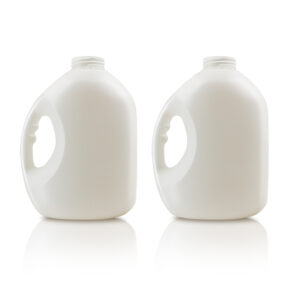
1000ml PE Plastic Detergent Bottle with Handle
PE · 1000 ml
2000ml PE Plastic Detergent Bottle with Handle
PE · 2000 ml
350ml HDPE Cleaning Bottle for Dishwashing Liquid Packaging
HDPE · 350 ml
PET Cleaning Bottle (500ml)
PET · 500 ml