
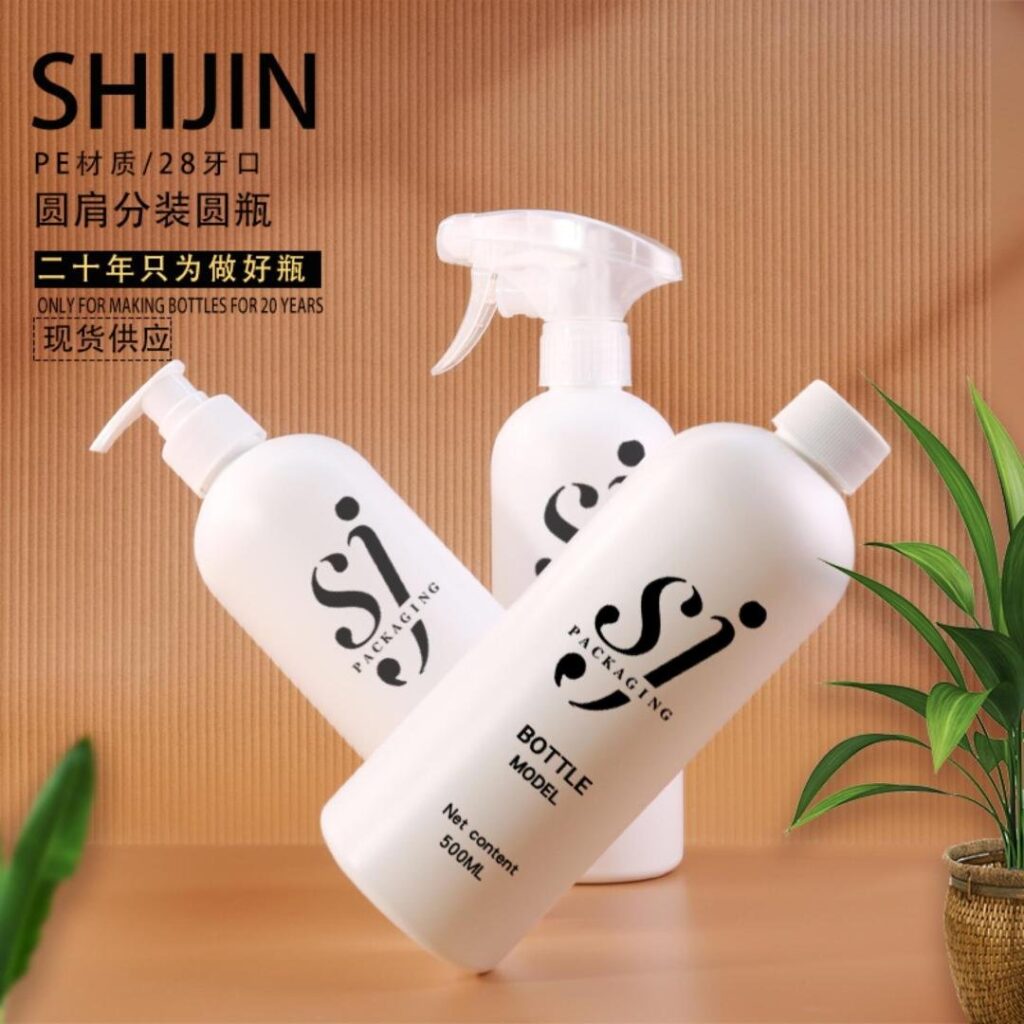
The sprayer decides the user experience of every auto-care liquid. For solvent detailers and foam shampoos, the gasket choice is the difference between a smooth spray and a failed bottle. This guide covers trigger and foam-gun selection.
Bottles from our catalogue — bottle bodies paired with trigger sprayers.
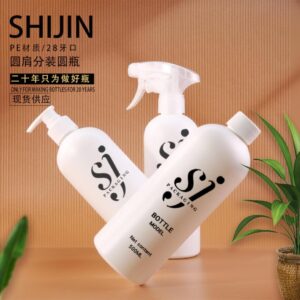
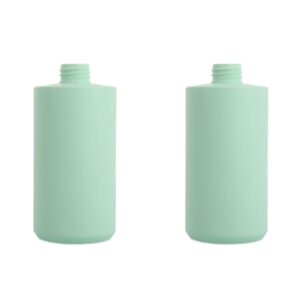
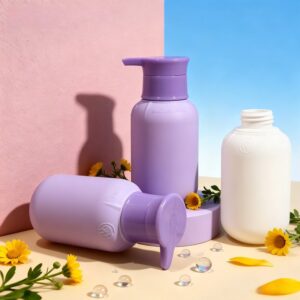
Gasket compatibility
Solvent-based detailer swells cheap gaskets. Tell us the chemistry so we fit a compatible trigger; this is the #1 cause of auto-care sprayer failure.
Output and pattern
Wide fan for quick detailer, focused stream for wheel cleaner. Specify ml/stroke and pattern.
Foam guns
Foam shampoo guns mix air and product at the nozzle for thick cling foam; they need a compatible dip tube and a robust head. See Tire Foam & Dressing Bottles for dressing context.
Leak-safe transit
Tamper-evident cap over the trigger and a sealed dip tube prevent leaks in courier networks.
Compliance note: Chemical, medical and industrial fills need proven packaging. Shijin is ISO 9001:2015 certified and bottles are tested to ISTA transit standards for leak, drop and stack performance, with material and certification documents supplied on request.
The gasket is the whole game
In a trigger sprayer or foam gun, the moving seal — the gasket on the piston and the dip-tube fit — is what touches your formula thousands of times. Solvent-based detailers and degreasers swell cheap EPDM or rubber gaskets, causing the trigger to seize or leak. This is the number-one cause of auto-care sprayer failure, and it is entirely avoidable by naming the chemistry up front.
A compatible gasket set costs pennies more and is invisible to the customer; the failure it prevents is visible to everyone. Always ask the sprayer supplier to confirm gasket and spring compatibility with your specific formula, not “a typical cleaner.”
Output, pattern and leak control
| Use | Pattern | Output |
|---|---|---|
| Quick detailer | Wide fan | Fine, even mist |
| Wheel / engine cleaner | Focused stream | Higher ml/stroke |
| Foam shampoo | Foam (air mix) | Thick cling foam |
Specify the target output in ml per stroke and the pattern, then lock the sprayer to that. For transit, a tamper-evident cap over the trigger and a sealed dip tube stop the slow weep that ruins a parcel and a retailer’s shelf.
Related reading
- Automotive Care Bottles: Bottles & Sprayers for Car-Care Chemicals
- HDPE Bottles for Car Shampoo & Detailing Products
- Tire Foam & Dressing Bottles: Pump vs Trigger and Chemical Resistance
- Trigger Spray Bottles for Cleaners & Disinfectants
What car formulas demand from the bottle
For car fills the bottle is part of the compliance and performance chain, not just a container. The body has to hold the formula without stress cracking or leaching, survive the filling line, and stay readable after months on a shelf or in a warehouse.
Across our 30+ blow-molding lines we see the same non-negotiables: a neck that seats the closure squarely, wall thickness tuned to the fill weight, and colour and decoration that survive transport and UV. A bottle that passes the bench test but fails the warehouse is not a pass.
If the formula is viscous, acidic or solvent-based, tell us at the enquiry stage. The resin choice and the lining of the closure both shift, and selecting them early is far cheaper than re-tooling after a failed stability test.
Capacities we stock for car
| Model | Material | Capacity | Neck |
|---|---|---|---|
| SJT0239 | PET | 239 ml | 28 mm |
| Custom 350ml HDPE Cosmetic Bottle | HDPE | 350 ml | 28/410 |
| 500ml PE Shampoo & Body Wash Bottl | PE | 500 ml | 28 mm |
| SJT0075 | PET | 75 ml | 32 mm |
These are stock shapes from our catalogue — the same tools a buyer samples first before committing to a custom mold. Capacities run from small trial sizes to bulk drums, so most car programmes can start from an existing mold and skip tooling lead time.
Sampling from a stock mold also de-risks the launch: you get a real, fill-tested bottle in days, validate it on your line, then scale or customise once the volume is proven.
Compliance and documentation
Every food-contact and pharma-adjacent bottle we make is produced under ISO 9001 controls, with FDA, SGS and EU 10/2011 food-contact documentation available on request. For export we supply the material certificate and, where required, UN-marked HDPE options for chemical transport.
If your market needs a specific claim (BPA-free, documented recycled content, tamper-evident), tell us at the sampling stage so we select the right resin and closure before the first run.
Sampling and first-run support
Because the tool is cut in-house, sampling lead time is typically 3–10 days from drawing to first article. We hold the first-article sample against the drawing, confirm wall and weight, and only then move to bulk.
For a new programme that means you can prove the bottle on your filling line before committing to a large order — and repeats stay consistent because the same mold and resin are used on every run.
Frequently Asked Questions
Why does my detailer trigger fail?
Usually a gasket incompatible with solvent; specify chemistry so we fit the right trigger.
What spray pattern for quick detailer?
A wide fan; wheel cleaner wants a focused stream. Specify output and pattern.
Can you supply foam guns?
Yes — foam shampoo guns with compatible dip tubes and robust heads.
How do I stop trigger leaks in transit?
Tamper-evident cap over the trigger plus a sealed dip tube.
Why does my trigger sprayer stop working after a few weeks?
Almost always a gasket swollen by solvent in the formula. A compatible gasket set, chosen for your specific chemistry, fixes it at the design stage.
What spray pattern should I specify?
A wide fan for quick detailer, a focused stream for wheel and engine cleaner, and a foam head for foaming shampoo. State the target ml per stroke too.
Related Foam Bottles
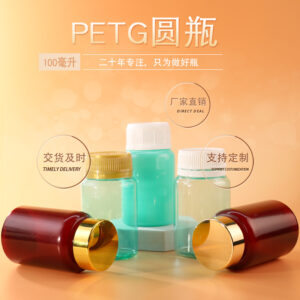
100ml PET Foam Pump Bottle
PE · 100 ml
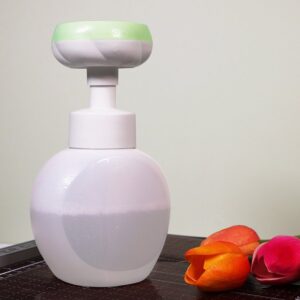
350ml Foam Pump PE Plastic Bottle – Ball Shape
PE · 350 ml
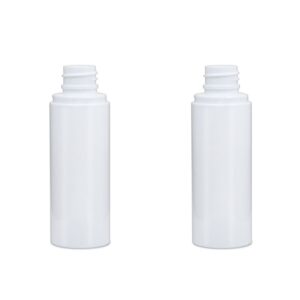
Custom 60ml PET PET Foam Bottle with Logo Printing
PET · 60 ml
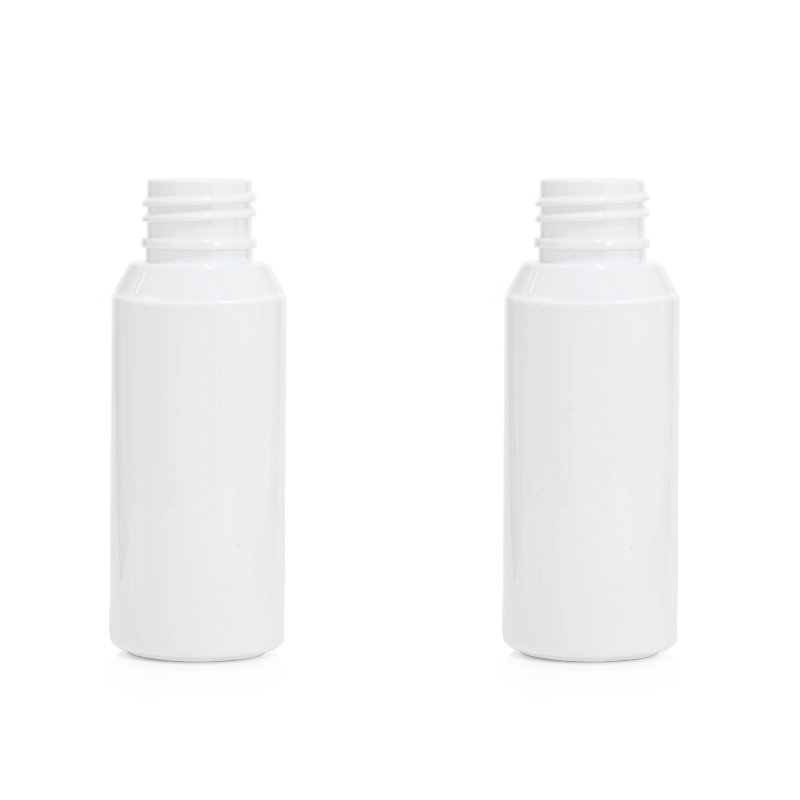
Wholesale 60ml PET Foam Bottle
PET · 60 ml