
Last updated: 5 September 2026.
Quick answer: Less than most buyers assume. Paying for a private mold buys you the right to have that tool used for you — it does not buy ownership of the shape. Another factory can often produce a visually near-identical bottle by altering a dimension or two, changing process, or adjusting a radius, and there may be little you can do about it. A registered design right is the real protection, but it is territorial and expensive to enforce across borders. The defence that works in practice is commercial, not legal: build brand equity and iteration speed that a copyist cannot keep up with. This is a commercial overview, not legal advice — for anything consequential, talk to an IP lawyer in your target market.
.jpg)
.jpg)
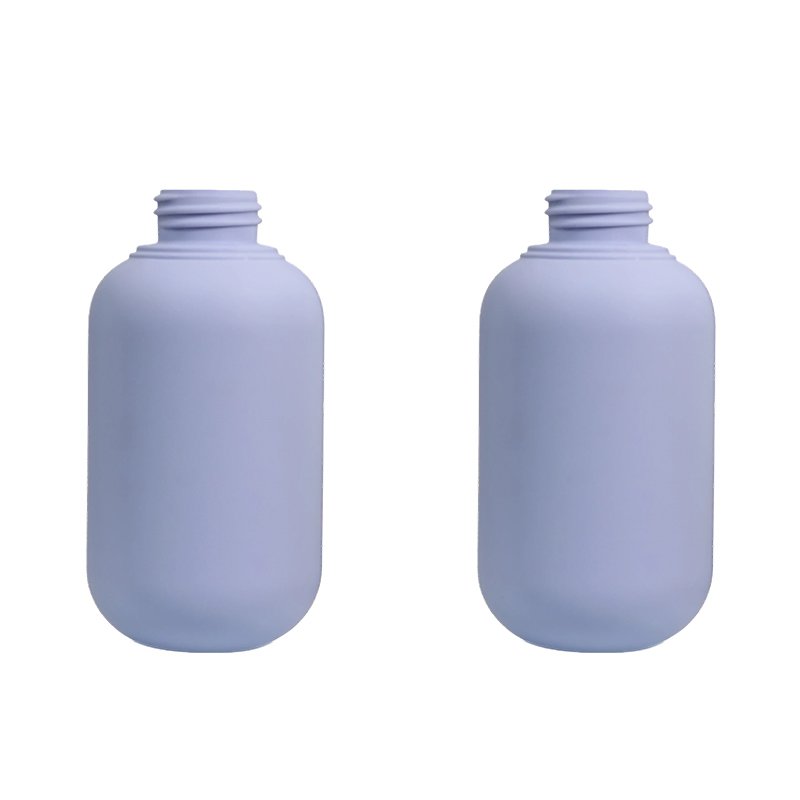
What you actually own when you pay for a mold
Two different things get confused in this conversation, and separating them clears up most of the anxiety.
What tooling payment normally buys: the physical tool exists for your programme, and the factory agrees not to sell bottles from it to anyone else. That is a contractual exclusivity over the tool, not a property right over the shape.
What it usually does not buy: any right to stop someone else from making a bottle that looks similar, by a different route, using their own tooling.
This is why buyers are often shocked to see a lookalike on the shelf within a year. Nobody necessarily broke an agreement — the agreement simply did not cover what the buyer thought it covered.
Three ways a “protected” shape gets copied anyway
1. Dimensional variation. Change the height by a few millimetres, adjust the shoulder radius, tweak the base radius. The bottle reads as the same design to a shopper on a shelf, but it is measurably a different article. Unless your protection covers a family of proportions, this is very hard to challenge.
2. Process substitution. A shape produced by extrusion blow molding can sometimes be approximated by injection stretch blow molding with different wall distribution and surface character. The silhouette survives; the manufacturing route differs.
3. Decoration-driven similarity. Often what makes a pack recognisable is not the bottle body at all — it is the colour, the cap, the finish, the label proportions. Those elements are frequently easier to approximate than the tooling, and harder to protect.
The uncomfortable pattern: the cheaper the element, the easier it is to copy. Tooling is expensive, which is exactly why copying it directly is rarer than buyers fear — and why copying everything around it is more common than they expect.
Why a design right is weaker than it sounds
A registered design (or design patent, depending on jurisdiction) is the correct instrument for protecting appearance. But three practical limits catch buyers out:
- It is territorial. Protection in one country does nothing in another. Protecting every market you might sell in gets expensive quickly.
- It takes time. Registration can take longer than your product development cycle. If you launch before it grants, you have a gap.
- Enforcement costs more than registration. A right you cannot afford to enforce is a comfort, not a defence. Cross-border enforcement against a foreign manufacturer is a serious undertaking.
None of this means design registration is pointless. It means it should be scoped to the markets where your volume and margin actually justify it — typically your top one or two — and not treated as a global shield.
What exclusive tooling genuinely does protect
For all the caveats, private tooling delivers real, practical advantages that have nothing to do with litigation:
- Your competitor cannot buy your exact bottle from a catalogue. They have to invest in their own tooling, which is a real barrier and a real delay.
- Your specification stays yours. Wall distribution, neck geometry, weight and finish are set to your product, and a copyist guessing at those will usually get at least one wrong.
- You control the iteration. When you want to change the design, you change your tool. A competitor approximating your shape is always reacting, never leading.
The last point is the one that matters most commercially. A mold’s real value is not that it cannot be copied — it is that it lets you move faster than anyone copying you.
The defence that actually works: outrun, don’t out-lawyer
Brands that sustain a distinctive pack over years generally rely on four things, none of which are legal:
- Brand equity. A copy of your bottle without your name on it is a generic bottle. Most of the recognition lives in the brand, not the geometry.
- Iteration speed. If you refresh design, finish or decoration faster than a copyist can tool up, they are permanently one generation behind.
- System-level distinctiveness. Bottle plus closure plus decoration plus label architecture is much harder to replicate convincingly than any single element.
- Channel control. Retail relationships and distribution are slower to copy than plastic.
The strategic conclusion is mildly uncomfortable but liberating: your packaging is a moving target, not a fortress. Design it to be refreshed, keep your tooling and drawings under your control, and treat each generation as having a commercial shelf life.
What to put in the contract anyway
Even accepting that contracts protect the tool rather than the shape, these clauses are worth having. They are cheap to ask for and disproportionately useful:
- Express exclusivity over the tool and any bottles produced from it, with a stated duration.
- Tool ownership and custody — who owns it, where it lives, what happens if you want it moved, and under what conditions it may be scrapped.
- No-molding-for-third-parties language covering the specific tool, plus a commitment not to produce from your drawings for anyone else.
- Confidentiality over drawings, specifications, formulations you share, and decoration artwork.
- Return or destruction of tooling-related materials on termination.
- Identification marks on the tool itself, so ownership is physically evidenced.
Ask for these early, while you are still a prospect. They are much easier to agree before the purchase order than after.
Frequently asked questions
If I paid for the mold, don’t I own it?
Usually you own or have strong rights over the physical tool, but that is separate from owning the design. Both should be stated explicitly in the contract — do not assume payment transfers either automatically.
Can the factory sell my bottle to someone else?
A reputable one will not, and exclusive tooling agreements normally prohibit it. This is one of the more enforceable protections you have, because it is a clear contractual breach rather than a design question.
Should I register the design before or after tooling?
Before, if your market and margin justify it — registration timelines vary, and tooling a shape you have no protection over creates a window. Discuss timing with an IP adviser in your target market.
What if a competitor’s bottle looks almost identical?
Document it, then talk to a lawyer in the relevant market before doing anything else. Whether you have a remedy depends on local law, what you registered, and whether the differences are material.
Is a distinctive shape worth the tooling cost then?
Usually yes — but for commercial reasons. Distinctive packaging earns shelf attention and supports premium positioning. Just do not count on it being uncopiable.
How do I stop the factory reusing my drawings?
Confidentiality language covering drawings and specifications, plus keeping control of the dimensioned drawings yourself. Be aware that enforcement across jurisdictions is difficult, so treat this as one layer of several.
Shijin Packaging — factory-direct cosmetic and daily-chemical plastic bottles since 2003, operating 30+ automatic blow-molding lines and 10+ injection-molding machines across a 15,000 m² facility in Huizhou, Guangdong, with daily capacity of approximately 200,000 pieces, supplying matched bottle-and-closure systems with in-house decoration.
- Website: https://shijinpackaging.com
- Full catalogue: https://shijinpackaging.com/catalog/
- Email: sales@shijinpackaging.com