
Last updated: 5 September 2026.
Quick answer: Run one calculation before you approve any tooling: tooling cost ÷ (per-unit saving × units you will genuinely buy over the mould’s life). If the number doesn’t clearly clear one — and cover the cash, the schedule risk and the supplier lock-in you are accepting on top — stay on an existing mould and differentiate with colour, decoration and closure instead. Most buyers who regret a private mould regret it because they priced the mould against hoped-for volume, not committed volume.
Where this fits: Tooling decisions are tied to your brand stage — what is right at 5,000 units is wrong at 500,000. See Packaging Strategy by Brand Stage for the wider map. This page does one calculation only: whether a private mould pays for itself in your case.
.jpg)
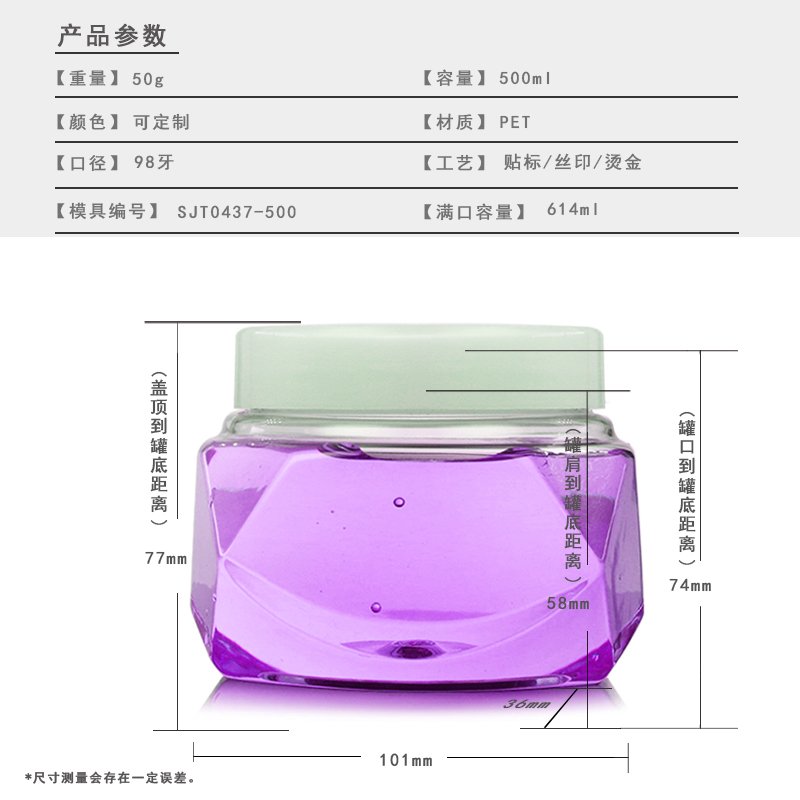
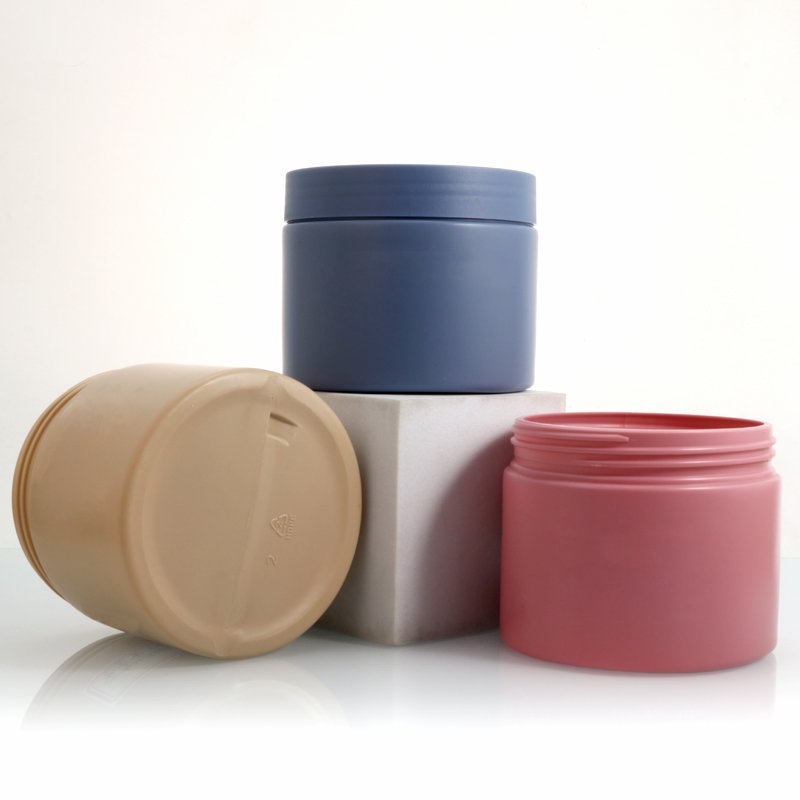
A private mould is a purchase, not a step
Private tooling gets discussed as if it were a milestone on the way to being a real brand. It is simpler than that: it is a capital purchase with a payback period, a maintenance schedule and a counterparty risk — you are buying an asset that lives in someone else’s factory.
That framing changes the conversation. The question is never “are we ready for custom packaging?” The question is: does this specific asset pay for itself at the volume you can actually commit to? Our breakdown of when a private mould pays for itself covers the yes case; this page is about the cases where the honest answer is no.
Four situations where you should not open a mould
1. The volume doesn’t clear the break-even — yet.
Tooling cost is fixed whether you make 5,000 units or 500,000. If your committed first-year volume is 20,000 and the per-unit saving versus a stock bottle is a few cents, the arithmetic will not clear. It doesn’t matter how good the design is; the asset doesn’t pay.
2. The formulation or the brand is still moving.
First-run products change: formulas get adjusted, fragrances get swapped, capacities get re-thought after the first retail meeting. A mould is the least reversible thing in your packaging chain. If any part of the product is still being decided, tooling locks a decision you haven’t finished making.
3. The differentiation you need isn’t shape.
Look at competitive shelves in your category: most recognisable lines differ through colour, finish, closure and label — not silhouette. If your differentiation plan lives in decoration and colour, a mould buys nothing you need. Our guide to finding an existing bottle that reads as custom covers how far stock + decoration gets you.
**4. You are choosing the factory because of the mould price.**
Some quotes are cheap because the tooling is cheap — few cavities, soft steel, no maintenance plan. A mould that cavities-drop or seams-split in year two has not saved you anything. And once the mould exists, moving it (or matching it) is a negotiation with the factory that holds it. Tooling is also how a supplier becomes hard to leave; go in with that priced in.
The break-even, done properly
Get four numbers and do one division:
| Input | Where it comes from |
|---|---|
| Tooling cost (mould + trials + sampling rounds) | The quote — but confirm what it includes: cavities, steel grade, trial shots, sample freight |
| Per-unit saving vs best stock alternative | Quote the same specification on an existing mould; the difference is your real saving |
| Committed volume over tool life | What you will sign for, not what you hope to sell — usually 12–24 months of realistic forecast |
| Cost of capital tied up | Tooling cash is paid months before the units that repay it ship |
If (saving × volume) does not exceed tooling cost with room to spare, the mould is not a saving — it is a design purchase. That can still be the right call, but make it as a marketing spend, consciously, not dressed up as unit-cost logic.
One refinement worth running: a shape engineered for your line can save money elsewhere — faster filling, better carton fit, lighter gram weight at the same top-load strength. Those savings count towards the break-even, and they are the most overlooked reason legitimate tooling projects clear it.
What to do instead, at each volume
- Under ~30,000 units: existing mould + custom colour + decoration. Zero tooling, sampling in days, full freedom to change direction. This is the standard playbook for launch-stage brands.
- 30,000–100,000 units: the grey zone. Standardise the neck finish, lock a signed colour standard, and revisit tooling when two consecutive re-orders confirm the volume is real.
- 100,000+ units with a stable spec: now tooling maths starts working, and a private mould is worth pricing seriously — against your own committed numbers, not the factory’s projection.
Frequently asked questions
How much does a private mould cost?
It depends on size, cavity count, steel grade and complexity — a simple single-cavity cosmetic bottle mould and a complex multi-cavity one are different purchases entirely. Get the quote itemised (cavities, steel, trials, sampling) so you can compare like for like, and see our cost overview for custom cosmetic bottles in China.
How long does tooling take?
Typically several weeks from approved drawings to first good samples, plus at least one or two sampling rounds before approval. Factor the full sampling cycle, not just the moulding time, into your launch calendar.
Who owns the mould once it’s paid for?
You should — but ownership is only useful if the contract states it explicitly: the mould is yours, it is separately identifiable, and you have the right to move it. Confirm what “ownership” means for maintenance, repairs and access. Our article on private moulds and brand protection covers the clauses that matter.
Can I move my mould to another factory later?
If the contract gives you ownership and removal rights, yes — and this is exactly why those clauses matter. Without them, moving tooling is a negotiation from weakness.
Is a modified stock mould a good middle ground?
Often, yes. Adding a handle, changing a neck insert or adjusting capacity on an existing mould costs a fraction of full tooling and keeps most of the known-quality advantage. It is the first thing to price when a stock bottle is close but not exact.
What if I need exclusivity but can’t justify tooling?
Buy exclusivity where it’s cheap: a colour matched to your brand with a signed standard, a decoration package specified as yours, and — in some cases — a stock mould reserved for your market by agreement. None of this requires capital tooling.
Shijin Packaging — factory-direct cosmetic and daily-chemical plastic bottles since 2003, operating 30+ automatic blow-moulding lines and 10+ injection-moulding machines across a 15,000 m² facility in Huizhou, Guangdong, with daily capacity of approximately 200,000 pieces.
- Website: https://shijinpackaging.com
- Full catalogue: https://shijinpackaging.com/catalog/
- Email: sales@shijinpackaging.com