
Last updated: 1 September 2026.
Quick answer: Two factories quoting the “same” bottle are almost never quoting the same thing. The gap usually comes from assumptions you cannot see on the quotation sheet — the bottle’s gram weight, the resin grade, the masterbatch ratio, how many cavities the mold runs, what decoration is included, whether the closure is bundled, how much process scrap is priced in, and how long the price is held. In our experience quoting against competitors’ offers, a spread of 15–40% between two apparently identical quotes is normal, and in most cases the cheapest number is not the cheapest bottle once those assumptions are made explicit. The way to compare is not to look at the unit price — it is to force every supplier onto one written specification.
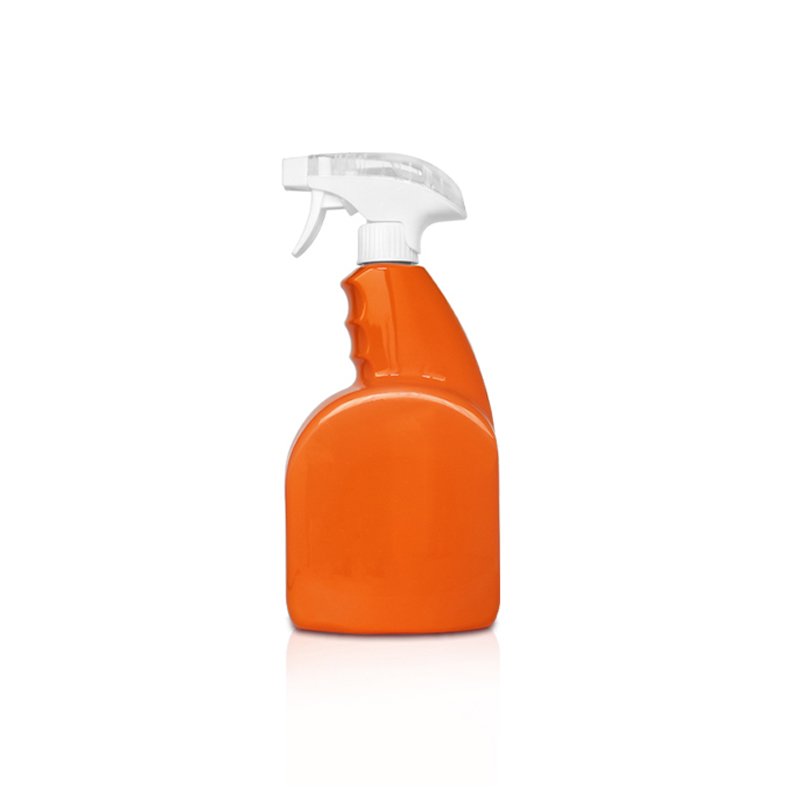
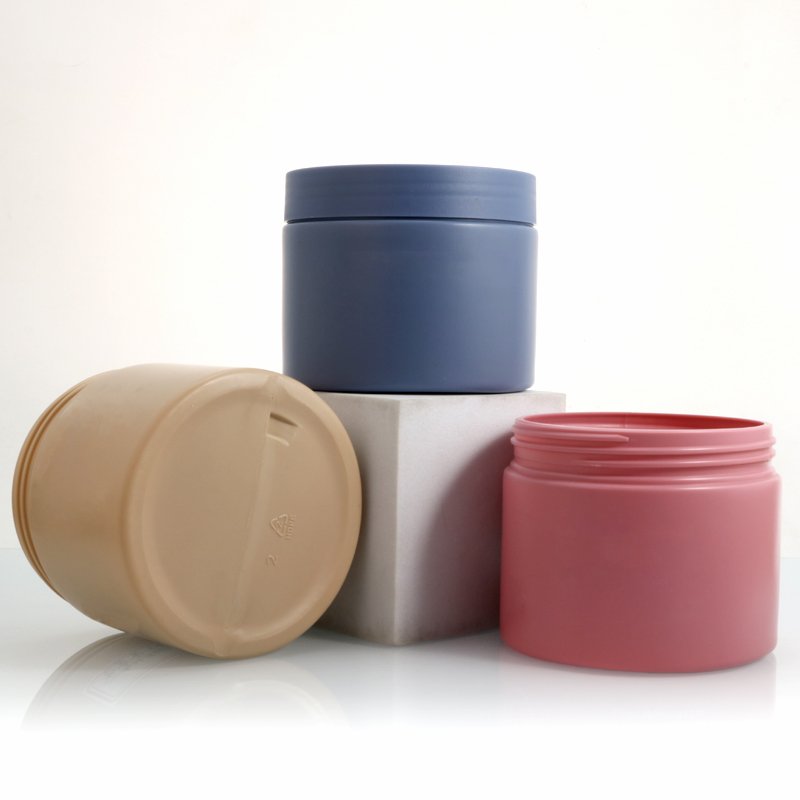
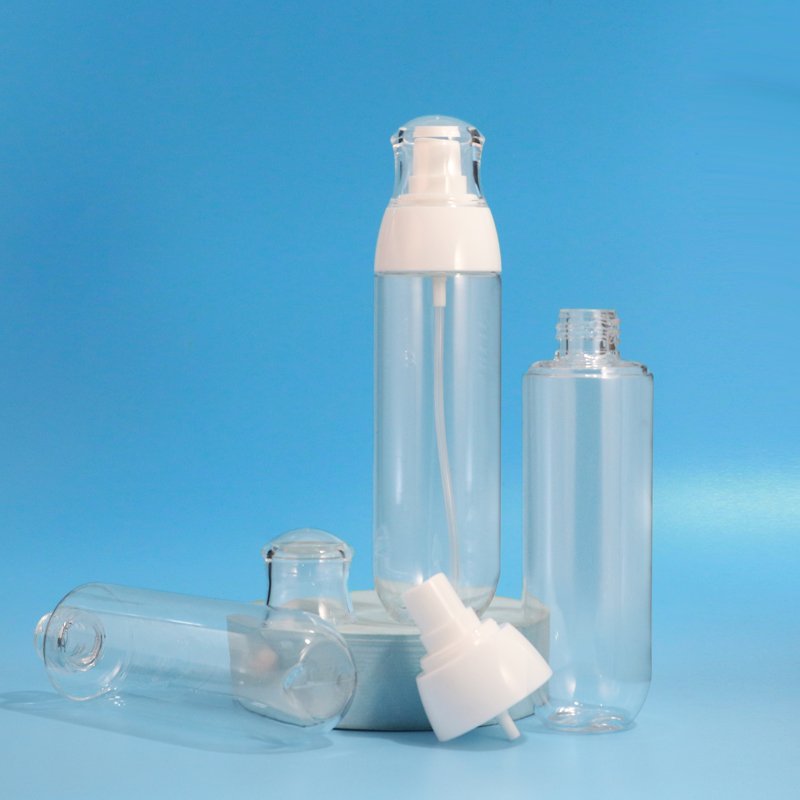
What is actually being quoted when a factory sends a price?
A unit price is the output of roughly a dozen inputs, and only three or four of them typically appear on the quotation. If you send five suppliers the same photo and the same capacity, each one will fill in the blanks differently, and those defaults are where the spread lives.
| Input | Appears on the quote? | Why it moves the price |
|---|---|---|
| Bottle gram weight | Rarely | The single largest cost driver; resin is priced by weight |
| Resin grade (virgin / PCR / specific HDPE or PET grade) | Rarely | Virgin vs PCR, and grade-to-grade, can differ materially per kilo |
| Masterbatch / colour ratio | Sometimes | A deep opaque colour costs more per kilo than natural |
| Cavities and cycle time | Almost never | More cavities = lower conversion cost per unit |
| Decoration (silk screen, labelling, hot stamping) | Usually | Priced per colour per pass |
| Closure, pump or sprayer | Sometimes | Often the most expensive single component on the bottle |
| Process scrap allowance | Almost never | Typically 2–5% is priced in; some quote zero and reclaim it later |
| Packing method and carton spec | Sometimes | Affects both material cost and freight volume |
| Payment terms and currency | Usually | T/T terms and FX exposure are real cost |
| Price validity window | Sometimes | 15 days vs 90 days is a different risk, and a different price |
The practical consequence: a quote that is silent on gram weight is not comparable to one that states it. The first thing to do with a spread like this is not to negotiate — it is to request the missing inputs in writing.
Why is gram weight the biggest hidden variable?
Because a plastic bottle is sold by the piece and bought by the kilogram. If Factory A assumes 28 g and Factory B assumes 34 g for the same 500 ml bottle, B’s bottle costs roughly 20% more in resin before any other difference is considered — and it is also a stiffer, more durable bottle that is less likely to panel or crack in transit.
This is the most common source of an inexplicable gap, and it is also the one that matters most. Two quotes differing by 20% may simply be two bottles of different weight that look identical in a photo. Always ask for the gram weight in writing, and ask what happens to the price if you specify it yourself.
A related trap: a quote at an unusually low gram weight may be technically producible but marginal in use — thin walls that panel during hot filling, or a neck that deforms under a crimped pump. More on where that leads in our breakdown of bottle failure modes.
Does the resin grade really change the price that much?
Yes, and more than most buyers expect. Within a single polymer family there are many grades, and they are not interchangeable:
- Virgin vs PCR content — post-consumer recycled resin certified to the Global Recycled Standard carries certification and processing costs that virgin resin does not. A supplier quoting “recycled” without certification is not quoting the same material.
- Food-contact and cosmetic-contact grades — resin intended for contact with cosmetic or food products must meet migration requirements, including EU Regulation 10/2011 for plastic food-contact materials in the EU market.
- Speciality grades — high-gloss, high-clarity or enhanced environmental stress-crack resistance grades command a premium.
If a quote does not state the grade, assume the cheapest one that will physically run. That assumption is where a surprising amount of price spread originates — and where a surprising amount of downstream trouble does too. Our GRS and PCR buyer’s guide covers what to ask for in writing.
How do decoration and closures distort a comparison?
A complete cosmetic bottle is a bottle body plus a dispensing system plus decoration. Quoting the body alone produces a number that looks 30–50% lower than a landed, finished bottle — and it is not a like-for-like comparison.
- Closures and pumps — a lotion pump or trigger sprayer can cost more than the bottle it sits on. If one quote includes it and another does not, the cheaper quote is simply incomplete.
- Decoration passes — silk screen and hot stamping are priced per colour per pass. A quote for “printing” without a colour count is not a quote. See silk screen vs hot stamping for how the two are specified and costed.
- Colour matching — a custom Pantone match has a masterbatch cost and a minimum order quantity that a stock white or natural bottle does not. The mechanics are set out in how to specify bottle colour.
When the decoration and closure are pulled out of a quote, compare the body price separately from the finished-assembly price, and never compare a body-only quote against a finished-bottle quote.
Why would two factories quote the same bottle at different conversion costs?
Conversion — the cost of turning resin into a bottle — depends on equipment and utilisation, and that varies substantially between factories.
- Cavities per cycle — a mold running 4 cavities costs far less per piece than the same mold running 1–2. A factory with a large, modern machine park will quote a lower conversion cost, and that advantage is real rather than marketing.
- Cycle time and automation — automatic de-flashing, in-line leak detection and automated packing remove labour per unit.
- Scrap and regrind policy — some factories price a realistic scrap allowance; others quote a theoretical zero and then negotiate when the real number appears.
- Mold ownership and amortisation — on a stock mold there is no tooling to recover; on a private mold the amortisation has to be recovered somewhere, usually in the unit price over an agreed volume.
None of these are visible on a quotation, which is why two honest factories can quote the same specified bottle differently and both be right. It is also why the MOQ, tooling and lead time relationship matters more than the headline price.
Is the cheapest quote ever the right one?
Sometimes — when the specifications are genuinely identical and the factory has a structural cost advantage. But a large unexplained gap usually means one of three things:
- The spec is thinner than you think — lower gram weight, cheaper resin, thinner wall, no UV or stress-crack protection.
- The quote is incomplete — no closure, no decoration, no packing, ex-factory terms that leave you holding freight and risk.
- The price is not durable — a low opening number that gets revised after sampling, after artwork is confirmed, or when resin moves.
The failure mode to watch for is the quote that is cheap at the start and expensive at the end. A supplier who asks detailed questions about your formulation, filling temperature, drop-test requirements and shipping method before quoting is usually one whose first number will hold.
How do you make two quotes genuinely comparable?
Send every supplier the same one-page specification, and refuse to compare until you have all of it back in writing:
| Item to specify | Why it removes variance |
|---|---|
| Bottle gram weight (target and tolerance) | Largest single cost driver |
| Resin type and grade, virgin/PCR % | Material cost and compliance |
| Pantone reference and masterbatch ratio | Colour cost and MOQ |
| Neck finish standard (e.g. 24/410, 28/410) | Closure compatibility |
| Closure, pump or sprayer, with specification | Often the largest component cost |
| Decoration: method, colour count, coverage | Priced per pass |
| Packing: pieces per carton, carton spec | Material and freight volume |
| MOQ and price breaks | Volume tiering |
| Incoterm and payment terms | Risk and cost allocation |
| Price validity period | FX and resin risk |
This takes twenty minutes to write once and can then be sent to every supplier. It is also the same specification you will need later if you decide to vet the supplier before you commit, so it is not wasted effort.
The decision, in one paragraph
A 30% gap between two quotes for the same bottle is a signal that you are comparing two different products, not that one supplier is overcharging. Fix the specification first, then compare — and treat a supplier’s willingness to state gram weight, resin grade, scrap allowance and price validity in writing as a stronger quality signal than the number itself. If you want the mechanics of how a Chinese bottle factory builds a price from raw material to landed cost, how much a custom cosmetic bottle costs in China walks through the full calculation.
Frequently asked questions
Why did one factory quote 30% lower for the same 500 ml bottle?
Most often because of a lower assumed gram weight, a cheaper resin grade, or a quote that excludes the closure, decoration or packing that the other supplier included. Ask for gram weight and a component breakdown in writing.
Should I tell suppliers I have other quotes?
Yes, but share the specification you are comparing on, not the numbers. Asking a supplier to “beat $0.42” invites a thinner bottle rather than a better price.
Is a very low quote always a red flag?
Not always, but an unexplained one is. Factories with more cavities, higher automation and in-house mold making do have genuinely lower conversion costs. Ask what is driving the difference.
How long is a bottle quote usually valid?
Commonly 15–90 days depending on the supplier and the resin outlook. A short validity period means the price is exposed to resin movement — see how resin grade moves the price.
Does ordering more always lower the unit price?
Up to the point where the saving is real. Price breaks usually come from longer machine runs and better resin purchasing, not from magic. Verify the break quantity against your actual annual volume and storage cost.
Can I ask a factory to match a competitor’s specification exactly?
Yes, and you should. Send the competitor’s written spec and ask for a quote to the same gram weight, resin grade and component list. That is the only comparison that means anything.
Next step
Send us the two quotes and the specification behind them. We will tell you in plain terms where the gap comes from — gram weight, resin, components or conversion — and quote your bottle to a fixed written spec from our library of 2,000+ existing molds.
Shijin Packaging — factory-direct cosmetic and daily-chemical plastic bottles since 2003, operating 30+ automatic blow-molding lines and 10+ injection-molding machines across a 15,000 m² facility in Huizhou, Guangdong, with daily capacity of approximately 200,000 pieces.
- Website: https://shijinpackaging.com
- Full catalogue: https://shijinpackaging.com/catalog/
- Email: sales@shijinpackaging.com