
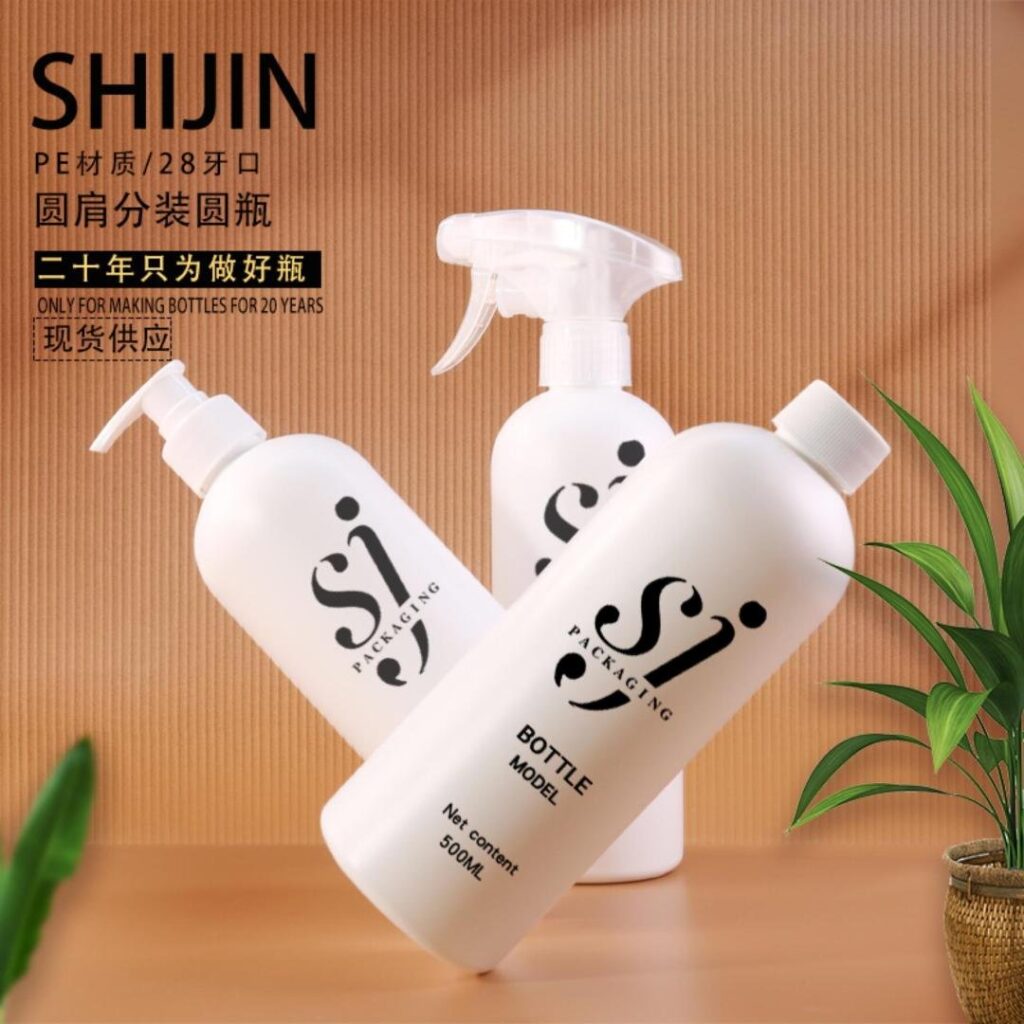
Washer fluid and additives are high-volume, low-margin fills where the bottle’s job is simple: hold a lot, seal tight, palletise well, cost little. This guide covers specifying bulk auto-fluid bottles.
Bottles from our catalogue — large-format bottles for automotive fluids.
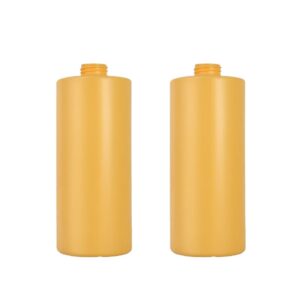
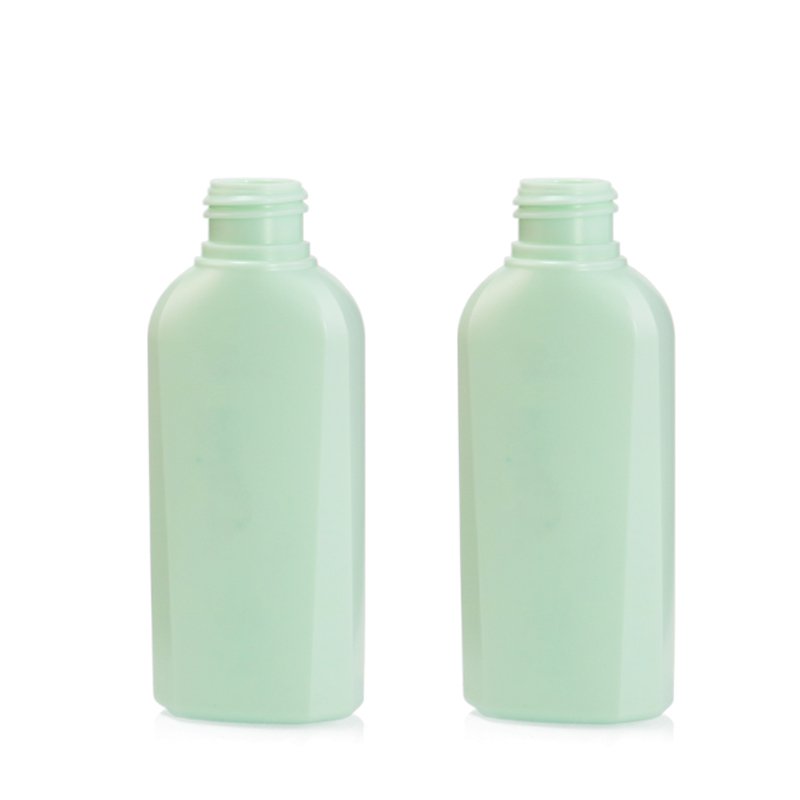
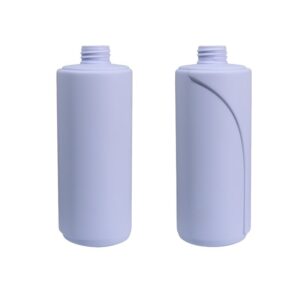
Material and size
HDPE is standard for washer fluid and most additives — chemical resistant and impact tolerant. Sizes run 1 L–5 L for retail, larger for trade.
Bulk options overlap our Industrial Jerry Cans & Chemical Drums range.
Cap and seal
A secure screw cap with tamper band prevents leaks; for concentrates a smaller neck and precise pour help dosing.
Palletising
Square or handled profiles palletise and handle better in volume; discuss stack and transit testing with our team.
Labelling
Auto fluids carry GHS and usage text; leave panel space and use a chemical-resistant label.
Compliance note: Chemical, medical and industrial fills need proven packaging. Shijin is ISO 9001:2015 certified and bottles are tested to ISTA transit standards for leak, drop and stack performance, with material and certification documents supplied on request.
Designing for the cheapest fill on the shelf
Washer fluid and automotive additives are high-volume, low-margin fills, so the bottle’s job is efficiency: hold a lot, seal tight, palletise densely and cost as little as possible. HDPE is the standard because it is chemically resistant, impact-tolerant and inexpensive at scale, and it survives the temperature swings of a warehouse or a cold boot.
Every gram counts in this tier. A thinner-wall design that still passes drop and stack testing cuts resin cost and freight weight across a container of product — which is where the margin lives on a low-cost fill.
Seal, palletise, label
- Use a secure screw cap with a tamper band — washer fluid must not weep in transit or on shelf.
- Choose a square or handled profile that palletises densely and is easy to grip when pouring.
- For concentrates, a smaller neck and a precise pour spout help dosing and reduce spill.
- Leave label panel space for GHS and usage text, and use a chemical-resistant label stock.
Confirm stack and transit performance with a drop and stack test against your fill weight before committing to a bulk run.
Related reading
- Automotive Care Bottles: Bottles & Sprayers for Car-Care Chemicals
- HDPE Bottles for Car Shampoo & Detailing Products
- Industrial Jerry Cans & Chemical Drums: 5 L–20 L+ HDPE Containers
- Household & Industrial Chemical Bottles: Safe, Compliant Containers
What windshield formulas demand from the bottle
For windshield fills the bottle is part of the compliance and performance chain, not just a container. The body has to hold the formula without stress cracking or leaching, survive the filling line, and stay readable after months on a shelf or in a warehouse.
Across our 30+ blow-molding lines we see the same non-negotiables: a neck that seats the closure squarely, wall thickness tuned to the fill weight, and colour and decoration that survive transport and UV. A bottle that passes the bench test but fails the warehouse is not a pass.
If the formula is viscous, acidic or solvent-based, tell us at the enquiry stage. The resin choice and the lining of the closure both shift, and selecting them early is far cheaper than re-tooling after a failed stability test.
Capacities we stock for windshield
| Model | Material | Capacity | Neck |
|---|---|---|---|
| SJT0460 | PET | 200 ml | 48 mm |
| 350ml HDPE Cleaning Bottle for Dis | HDPE | 350 ml | 28/410 |
| 700ml PE Round Bottle for Shampoo | PE | 700 ml | 28 mm |
| SJT0064 | PET | 64 ml | 28 mm |
These are stock shapes from our catalogue — the same tools a buyer samples first before committing to a custom mold. Capacities run from small trial sizes to bulk drums, so most windshield programmes can start from an existing mold and skip tooling lead time.
Sampling from a stock mold also de-risks the launch: you get a real, fill-tested bottle in days, validate it on your line, then scale or customise once the volume is proven.
Compliance and documentation
Every food-contact and pharma-adjacent bottle we make is produced under ISO 9001 controls, with FDA, SGS and EU 10/2011 food-contact documentation available on request. For export we supply the material certificate and, where required, UN-marked HDPE options for chemical transport.
If your market needs a specific claim (BPA-free, documented recycled content, tamper-evident), tell us at the sampling stage so we select the right resin and closure before the first run.
Sampling and first-run support
Because the tool is cut in-house, sampling lead time is typically 3–10 days from drawing to first article. We hold the first-article sample against the drawing, confirm wall and weight, and only then move to bulk.
For a new programme that means you can prove the bottle on your filling line before committing to a large order — and repeats stay consistent because the same mold and resin are used on every run.
Frequently Asked Questions
What bottle for windshield washer fluid?
HDPE, 1 L–5 L retail; secure screw cap with tamper band.
Can washer fluid ship in jerry cans?
Yes — bulk overlaps our UN and non-UN jerry-can range; confirm hazard class.
How do I prevent cap leaks in volume?
Tamper-band screw cap plus confirmed stack/pallet design.
What label do auto fluids need?
GHS pictograms and usage text; chemical-resistant label material.
What plastic is best for windshield washer fluid?
HDPE — it resists the chemistry, tolerates temperature swings and palletises efficiently, which keeps the per-unit cost down on a low-margin fill.
Do washer fluid bottles need UN certification?
Not for a non-hazardous premixed fluid, but concentrated or hazardous additives may. Confirm the hazard class with your supplier and specify UN-rated packaging if required.