
Last updated: 5 September 2026.
Quick answer: A plastic bottle is a processed commodity. Its two largest cost inputs — resin and energy — trade on global markets, and the price you pay in your currency passes through an exchange rate. So a factory quote is not a list price that “shouldn’t change”; it is a position on resin and currency, valid while those inputs stay put. Quote validity windows of 15–30 days are not arrogance or padding — they are the honest lifespan of the assumptions underneath the number.

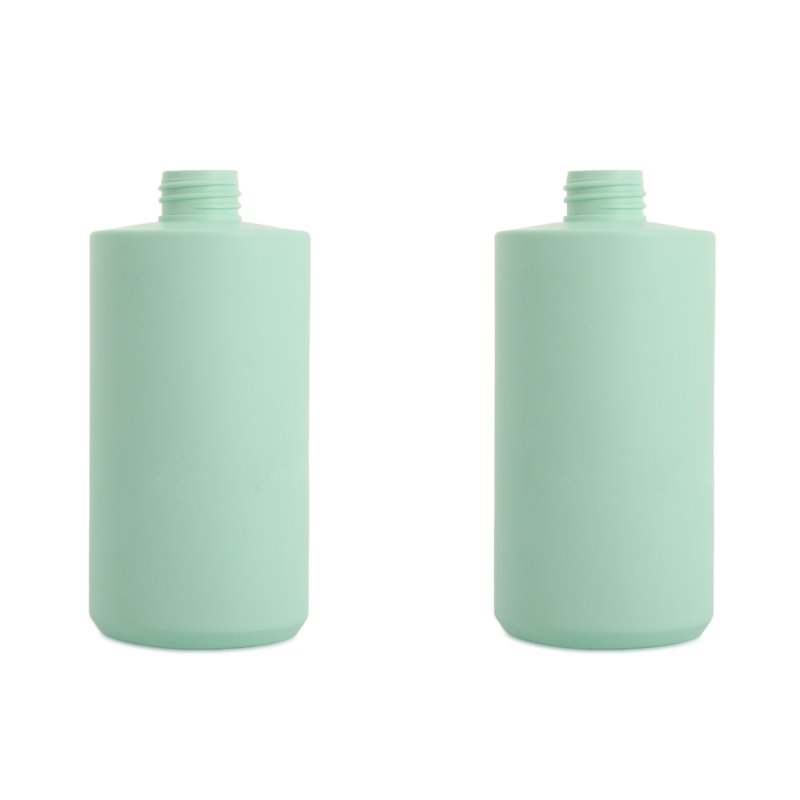
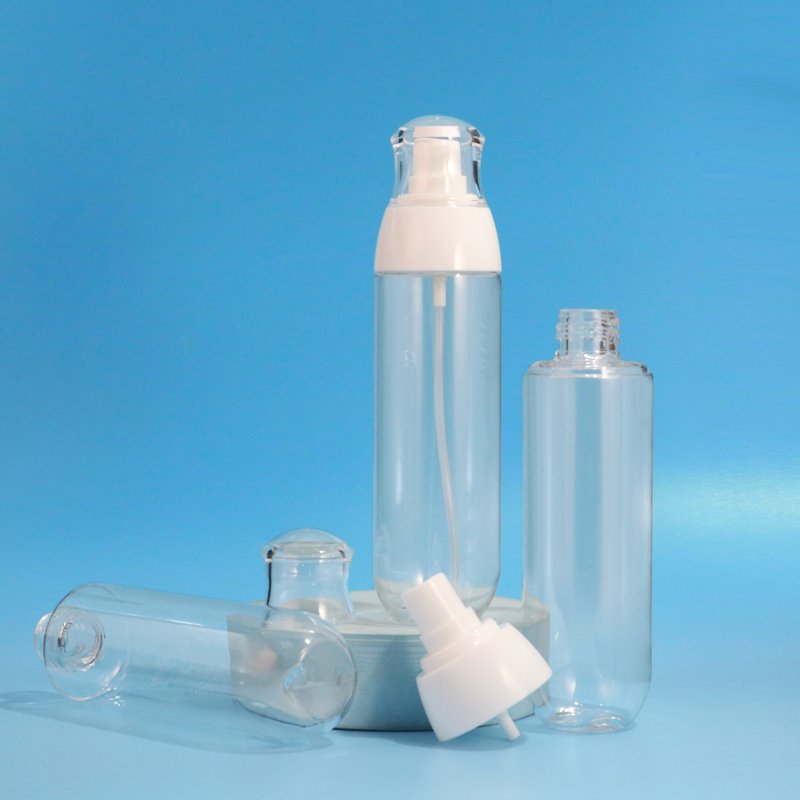
What a bottle’s price is actually made of
Strip a quoted bottle price down and most of it is pass-through:
- Resin — typically the largest single component. Bottle-grade PET, HDPE and PP are globally traded petrochemical products; their prices move with feedstock (crude and its derivatives), regional supply, and seasonal demand. A bottle is, economically, a shaped and coloured block of resin — the market comes with it.
- Energy — melting and molding plastic is energy-intensive; industrial energy prices feed cycle costs.
- Labour and conversion — comparatively stable, and the smaller share at automated plants.
- Currency — the factory’s costs are in RMB; your quote is likely in USD. The rate between them is itself a moving input.
When buyers ask “why did the price change?”, the honest answer is usually: the inputs moved. Our earlier article covered why two factories can quote the same bottle differently (the static 30% gap); this one is about why the same factory’s number moves over time (the dynamic gap).
What actually moves resin prices
You do not need to trade petrochemicals to work with resin prices — you need to know which forces are real:
- Feedstock cycles. Resin tracks crude oil and its derivative chains with a lag and a damping factor. Sustained crude moves show up in resin over following weeks.
- Regional capacity events. A large plant outage or a new capacity start-up in Asia can move regional grades materially for weeks.
- Seasonal demand. Asian resin markets have predictable demand seasons; around major production peaks, spot prices and lead times both tighten.
- Grade-specific demand. Bottle-grade material is not the same market as film or fibre grades — general “plastic price” news may not apply to your bottle at all.
What this means practically: a quote is only as good as its date. A 90-day-old unit price for a PET bottle answers a question about a market that no longer exists.
The currency layer
If you buy in USD from a RMB-cost factory, the exchange rate is silently inside your price. A few percent of currency movement is normal within a quarter; it can add or erase more margin than a year of hard negotiation over the unit price.
This is why the same quote can be “expensive” in one month and “sharp” in the next without the factory changing anything. It is also why serious suppliers re-state FX assumptions when they re-quote rather than quietly absorbing swings in both directions — absorbing losses on the way up means charging for them on the way down.
How quote validity actually works
A validity window is the supplier saying: these assumptions hold until this date. Understand it as a contract on inputs, not a countdown pressure tactic:
| Validity | What it usually signals |
|---|---|
| 7–15 days | Volatile resin market, or the quote is tied to a specific material lot |
| 15–30 days | The standard window; assumptions re-checked at expiry |
| 30–60 days | Supplier is taking a view on the market, or the order includes early material procurement |
| “Fixed for the contract” | Priced with a buffer, or hedged — you are paying a small premium for certainty |
The corresponding buyer discipline is simple and rarely followed: decide inside the validity window, or ask for a re-quote rather than assuming the old number. Quotes that age past their assumptions produce the worst kind of surprise — the one discovered at the pro-forma invoice, after your launch plan has already used the old number.
What buyers can actually do about volatility
You cannot opt out of commodity markets, but you can stop being surprised by them:
- Ask what’s inside the quote. Which resin grade, which basis, which FX rate. A supplier who can answer precisely is a supplier whose re-quotes you will be able to trust.
- Time-stamp your budget. When a launch budget is built on a quote, write down the quote date and validity. Stale quotes in spreadsheets are how projects discover cost overruns.
- For big programmes, discuss a pricing mechanism. Larger buyers increasingly index part of the price to a published resin benchmark with a fixed conversion adder. It converts price arguments into arithmetic. Even if your volume doesn’t justify a formal mechanism, asking about it reveals how the factory thinks.
- Batch your orders deliberately. Ordering cadence is a hedging tool: buying again inside the same market window keeps pricing coherent across a campaign; stretching purchases across volatile quarters invites spread.
- Treat extraordinary spikes as information. If a quote jumps 15% in a month, ask why — and expect a specific answer (a grade, an event, a rate). Vague answers to a fair question are themselves information, of the red-flag kind.
Frequently asked questions
How long is a bottle quote valid?
Typically 15–30 days, because resin and currency inputs move. Longer validity is available and usually priced in. If you intend to order later than the validity window, ask for a re-quote at decision time rather than anchoring on the old number.
Why did my price go up between two orders?
Usually resin, energy or exchange rates moved between the two order dates. Ask the supplier to decompose the change — a professional factory can attribute the delta to specific inputs rather than “market conditions”.
Can I fix the price for a year?
Sometimes, at a cost: a fixed price carries a volatility buffer, or is hedged, and you pay for the certainty. For large stable programmes, an indexed mechanism (published resin benchmark + fixed conversion) is often fairer to both sides than a fixed price with a fat cushion.
Do resin prices really move that much?
Within a quarter, high single-digit percentage swings in bottle-grade resin are unremarkable, and event-driven spikes can exceed that. On a bottle whose resin is a third of its cost, the arithmetic of “why did my quote change” becomes straightforward.
Is the supplier profiting from price increases?
Sometimes margin does expand in spikes, but usually the pass-through is genuine. The test is symmetry: a supplier who charged you full pass-through on the way up and shrugs on the way down is managing margin, not passing through markets. Our article on the 30% static quote gap covers the structural version of the same scepticism.
Should I stock up when prices are low?
Inventory has costs — cash, storage, and obsolescence if your product or design changes. Light, regular buying inside stable windows beats speculative bulk; but if a known event (a capacity outage, a seasonal peak) is announced, pulling an order forward is reasonable. Decide on your volume and cash, not on market fear.
Shijin Packaging — factory-direct cosmetic and daily-chemical plastic bottles since 2003, operating 30+ automatic blow-molding lines and 10+ injection-molding machines across a 15,000 m² facility in Huizhou, Guangdong, with daily capacity of approximately 200,000 pieces.
- Website: https://shijinpackaging.com
- Full catalogue: https://shijinpackaging.com/catalog/
- Email: sales@shijinpackaging.com