
Last updated: 5 September 2026.
Quick answer: Factories price risk. An inquiry with missing information — no gram weight, no closure, no decoration, no annual quantity — cannot be priced on facts, so it gets priced on caution: a higher number to cover what the factory doesn’t know. The buyers who get fast, sharp, comparable quotes are not the ones with the biggest volume; they are the ones whose inquiries are complete enough that nothing has to be guessed.
Where this fits: If your real question is why two factories quoted you 30% apart, read Why Two Bottle Quotes Differ by 30 Percent — that is a diagnosis of price gaps. This page is the other half: what you put into your inquiry so the quotes that come back are comparable in the first place.
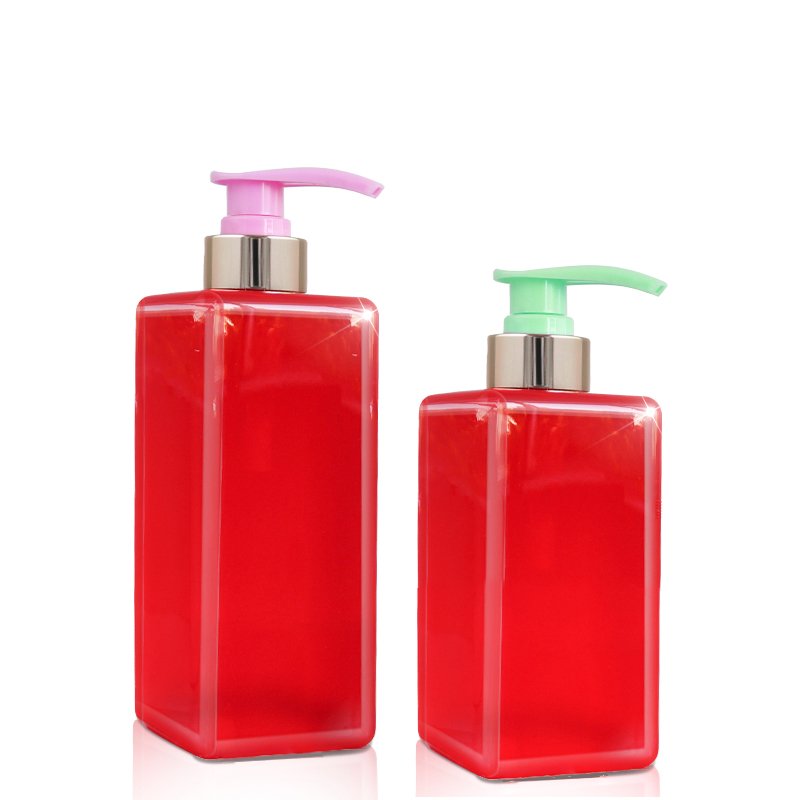
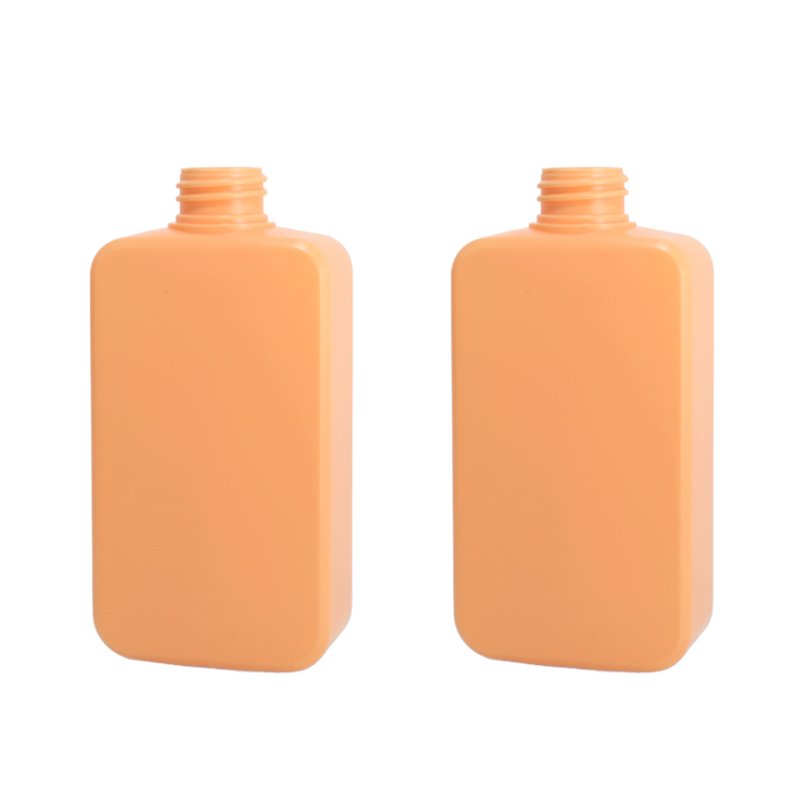
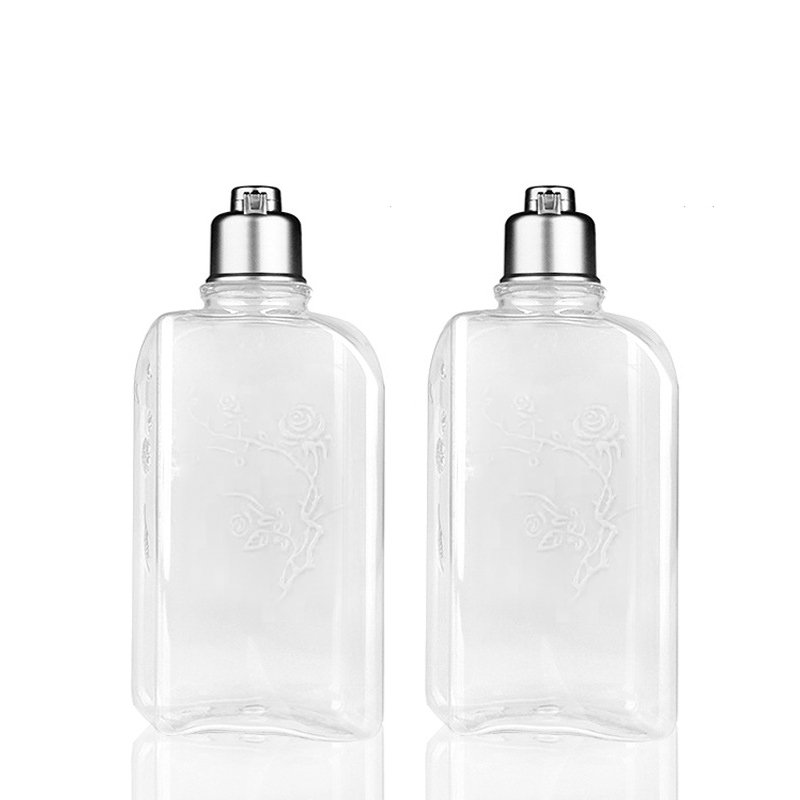
How a factory actually builds your number
Understanding the mechanics explains most “why is this quote so high?” moments. A bottle quote is assembled from:
- Resin — weight × material price, and material price depends on grade (bottle-grade virgin, food-grade, PCR content) and the market that week.
- Cycle time × cavity count — how many pieces the mold produces per hour on the factory’s machines. This is why the same shape prices differently in different factories: it depends which mold and which machines would run it.
- Scrap allowance — new shapes, tight colours and unfamiliar specs get a higher allowance.
- Decoration — each colour, each process, each setup.
- Closure — included or excluded, matched or generic.
- Batch structure — MOQ, changeover frequency, packaging.
Every field you leave blank in the inquiry moves at least one of these lines from fact to assumption — and every assumption is priced conservatively. An incomplete inquiry doesn’t get “no quote”; it gets a padded one, or a slow one, or a refusal. Our article on why two quotes for the same bottle differ by 30% looks at the factory-side causes; this one is about the buyer-side inputs you control.
The 9 fields that make quotes comparable
Send these nine and competent factories can return a firm number in days, not weeks:
| # | Field | What to write | Why it matters |
|---|---|---|---|
| 1 | Capacity & height | e.g. “250 ml fill, overall height 120–140 mm” | Fixes the mold candidate and the carton plan |
| 2 | Resin | PET / HDPE / PP / PETG + any compatibility needs (pH, solvents, essential oils) | Drives material cost and machine choice |
| 3 | Weight | A range: “28–35 g acceptable” | The single biggest price lever after resin choice |
| 4 | Neck finish & closure | “24-410 neck, matching lotion pump included in quote” | Closure bundling is the most common hidden gap between quotes |
| 5 | Decoration | Process, colours, coverage: “2-colour silk screen body + 1-colour cap” | Each element is a separate cost line |
| 6 | Annual quantity & first order | “50,000/year, first order 10,000” | Factories price the relationship, not just the batch |
| 7 | Destination market | Country/region + product category | Compliance requirements and freight both depend on it |
| 8 | Target unit price | A honest range, if you have one | Filters mismatched suppliers politely on both sides |
| 9 | Timeline | Sampling needed by, launch window | Determines what production capacity can even be offered |
Field 6 deserves emphasis: annual quantity moves pricing more than first-order quantity. A buyer promising 10,000 once is a different customer from one promising 10,000 quarterly, and factories price the difference.
How to compare three quotes without comparing apples to oranges
Once the quotes arrive, normalise them before ranking:
- Put everything on the same Incoterm. EXW and FOB numbers differ by inland haulage and export fees. Compare FOB to FOB — our shipping and Incoterms guide explains the spread.
- Bundle or unbundle the closure. One quote includes the pump at a blended price, another excludes it. Ask each supplier to restate the quote one way.
- Same gram weight basis. A lighter bottle is a cheaper bottle and often a worse one. If quotes differ on weight, you are not comparing the same product.
- Same decoration count. “Printed” can mean one colour or four.
- Same batch size and payment terms. A 5% discount on different payment terms is not a discount at all — see our breakdown of what payment terms actually cost.
- And the same validity window. Quotes tied to resin prices age — see why bottle quotes expire.
Then weight the residual differences for what they signal: a quote far below the others usually means an assumption you haven’t found yet — lighter bottle, thinner walls, excluded closure, or a spec they don’t intend to honour at production.
Frequently asked questions
Why didn’t the factory reply to my inquiry at all?
Usually one of three reasons: the request is so unspecified that any number would be meaningless, the quantity is far below their MOQ with no annual picture, or the product is outside their line and the email looked like bulk spam. A complete inquiry with a realistic annual quantity gets replies.
Should I share my target price?
Yes, honestly. A target range lets a factory tell you in one reply whether the project is viable and what specification it buys. Hiding your target just adds a round of guessing — and factories guess conservatively.
Is the cheapest quote ever the right one?
Occasionally — but only after normalisation. If it survives being restated on identical specification, batch, terms and validity, then yes, take it. A cheap quote that survives scrutiny is a good quote; a cheap quote that can’t be scrutinised is a red flag.
How many suppliers should I quote with?
Three is the sweet spot: enough for a real spread, few enough to answer follow-up questions properly. More than five and you will manage specification drift between threads more than you manage pricing.
What is a reasonable quote validity period?
For resin-based packaging, 15–30 days is typical because material prices move. Longer validity is worth having, but understand it as the supplier taking a position on resin — see our article on quote validity and price fluctuations.
The quotes came back wildly different. What now?
Re-read each quote for scope differences: closure, gram weight, decoration colours, Incoterm, batch size, payment terms. In our experience most “30% gaps” close to under 10% once the scopes match, and the remainder is a genuine efficiency or quality difference worth probing.
Shijin Packaging — factory-direct cosmetic and daily-chemical plastic bottles since 2003, operating 30+ automatic blow-molding lines and 10+ injection-molding machines across a 15,000 m² facility in Huizhou, Guangdong, with daily capacity of approximately 200,000 pieces.
- Website: https://shijinpackaging.com
- Full catalogue: https://shijinpackaging.com/catalog/
- Email: sales@shijinpackaging.com
Related reading
If this is your first order from a Chinese bottle factory, these are the pieces buyers read next.
- What payment terms a small brand should expect from a Chinese bottle factory
- Why cosmetic bottles leak, crack or craze, and who is responsible
- The bottle was quoted at 30 g but weighs 26 g: is that cheating?
- Cosmetic bottle lead time: where the weeks actually go
- Launching a first skincare line: the packaging roadmap
- Cosmetic Bottle MOQ, Tooling Cost and Lead Time
- Why Two Bottle Quotes Differ by 30%
- Cosmetic Bottle Total Landed Cost Breakdown
- How to Ship Cosmetic Bottles from China: Freight, Customs, Incoterms
- Red Flags When Sourcing Cosmetic Bottles from China
- How to Choose a Cosmetic Plastic Bottle Manufacturer in China